Smart home electronics designed around everyday use.
A home device needs to work for the person who installs it and the person who uses it every day. Controls must make sense, setup must have a defined path and the product's behavior must remain understandable when power or connectivity changes.
Discuss your smart home electronic product with XCC Technology. We help define the OEM/ODM project around its intended function, home environment and development or manufacturing stage.
Start with the task in the home
A useful brief explains what the user needs to accomplish: switch a function, monitor a condition, adjust a setting or connect an appliance to a wider system. It also identifies where the device is installed and how the user interacts with it.
Your project may be a home control panel, sensing device, appliance interface or connected controller. We organize the discussion around its functions, installation and the development or manufacturing work required.
If the main task is controlling a light source, the Lighting Systems page covers load and dimming requirements in more detail. If the product is primarily a connected device used across different environments, review IoT Electronics for the system responsibility questions.
How we support a smart home product project
Develop the device functions
We translate the household task into the electronics and embedded behavior included in the project. The work connects inputs, controls, indicators and outputs with the states users encounter during setup and daily operation. For a new design, the review establishes the function and interface definitions needed to build an evaluation sample. For an existing device, it identifies the changes needed and the behavior that must remain compatible.
Integrate the device with its installation and software
The device needs to fit its housing, mounting and wiring while leaving access for assembly and service. We review those interfaces with the product requirements and the supplied mechanical information. Where connectivity is included, hardware and firmware work is coordinated with the app or platform interface defined by its owner. Local operation, setup and reconnection are included in the behavior reviewed for the product.
Prepare an approved version for manufacture
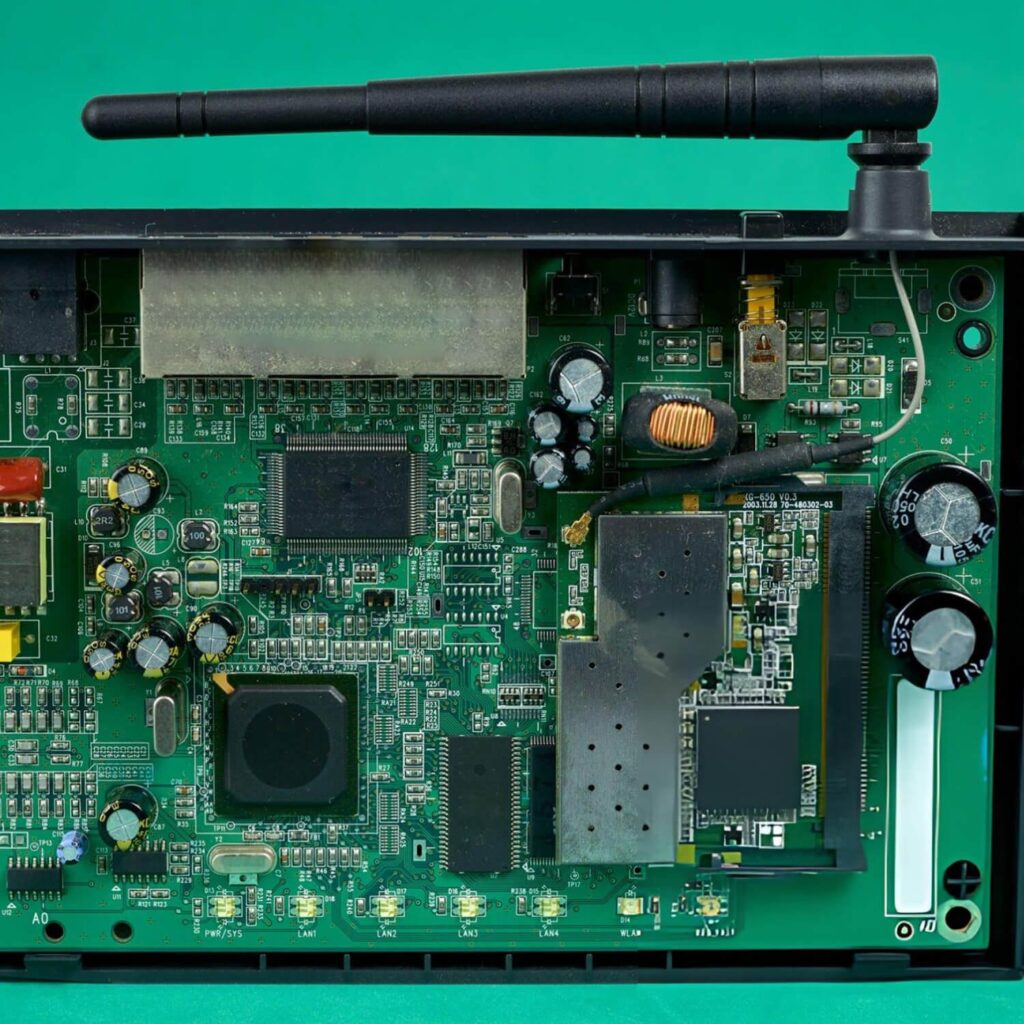
Manufacturing work uses a defined hardware revision, firmware release and set of configuration instructions. Assembly, programming and functional checks are prepared for the delivery level you choose. If the order includes the finished unit, its enclosure, controls, labels, accessories and packing are described alongside the electronics. An initial build provides the opportunity to review the assembled product before repeat production.
The agreed handover can include sample units, the commissioned design files, a user-state or interface description, configuration instructions and the production checks required for release. Platform accounts, source code, licenses and ongoing software maintenance are assigned explicitly so the device can be evaluated and supported by the appropriate teams.
Define the experience before choosing the electronics
Installation and physical fit
Is the device mounted on a wall, placed on a surface or built into an appliance? Installation changes the space available for connectors, controls and the enclosure. Identify who installs the product, what access they have and whether a particular mounting pattern or existing housing must be retained.
Provide drawings or reference dimensions when available. Include access for wiring, battery replacement, service and any controls needed during setup. A device that fits mechanically still needs to be assessed in its actual installation conditions.
Controls and feedback
Describe the actions users perform and how the device confirms each one. Buttons, indicators, displays and audible feedback should correspond to defined states: starting, ready, connected, operating and needing attention.
For a product with remote control, specify how local and remote commands interact. Clarify which settings remain after a restart and how a user returns the device to a known configuration. These details help avoid an implementation that meets a feature list but behaves inconsistently in everyday use.
Power and operating environment
Identify the supply method and the expected use pattern. For a battery-powered product, the operating states and communication frequency influence the power budget. For an externally powered product, the supply interface and installation conditions belong in the specification.
Room location also matters. Heat, moisture, cleaning, enclosure placement and distance from other devices can affect the evaluation plan. Tell us about the environment and the requirements you have established; product ratings and protective features must be assessed for the specific design.
Connectivity and ecosystem requirements
If the device connects to a network or home platform, identify the required ecosystem, setup method and responsible software provider. Compatibility is a project requirement that must be defined and evaluated. It should not be assumed from a general description such as “smart” or “wireless.”
Specify what the user can do without a connection, how the product reports connection loss and what happens when communication returns. Cloud services, mobile apps, account management, updates and platform certification need named responsibilities in the project scope.
Turn a use scenario into reviewable requirements
For a home controller, an example requirement might describe a user changing a setting locally, viewing confirmation and seeing the same state in a connected interface. The requirement should also identify the expected result if the network is unavailable. That description gives the engineering and product teams a shared behavior to evaluate.
A project review can then distinguish the hardware function, embedded behavior and external software work needed to deliver that experience. The agreed scope determines what we undertake and what is provided by the customer or another contributor.
Prepare for evaluation and production
An evaluation sample should be reviewed against the intended use, rather than only checked for whether it powers on. Relevant scenarios may include initial setup, normal operation, incorrect user inputs, interrupted power and reconnection. The tests, conditions and acceptance criteria are agreed for the product.
Production preparation also needs a defined configuration. Hardware revision, software version, device identifiers, default settings and labeling must correspond to the version approved for manufacture. If programming or device provisioning is required, specify the tools, credentials, ownership and handling arrangements before production.
The required assembly level should be clear: a circuit board, a subassembly or a finished unit. Enclosure, accessories, installation information and packaging are included only when they form part of the agreed delivery scope. Our OEM/ODM page explains the wider project workflow and deliverables.
What to include in your smart home brief
- The household task and the intended user.
- Installation location, mounting method and physical constraints.
- Local controls, indicators and required user interactions.
- Power source and typical operating pattern.
- Required connectivity or ecosystem, plus the software responsibilities already assigned.
- Expected behavior during power loss, connection loss and reset.
- Current design stage, available samples or files, target market and quantity.
- Evaluation requirements and any product or supplier approvals needed.
Smart home project questions
Can an existing device be customized?
Describe what needs to change and what should remain compatible. An enclosure change, new control or connectivity update can affect other parts of the product. The existing design, file ownership and available evaluation results help define the review needed before a revised version is approved.
Does a connected product include an app or cloud service?
Only when those activities are explicitly included in the agreed scope. Identify the app, platform or cloud environment you plan to use and who owns and maintains it. Device development, service operation and ongoing updates are separate responsibilities that need to be coordinated.
Can compatibility with a particular platform be assumed?
No. Identify the required platform and any certification, licensing or approved component requirements. Compatibility depends on the complete implementation and applicable evaluation process. It must be reviewed for your product before a commitment is made.
How do we avoid differences between approved samples and production?
Define the approved hardware and software versions, default configuration, materials and acceptance checks. Any change to those items should be reviewed for its effect on operation and compatibility. The project scope should identify who approves changes and which records are required.
Bring us the device and the user scenario
Tell us what happens in the home, what the user expects and where your project stands. We can discuss the requirements and responsibilities needed to move the product to its next stage.