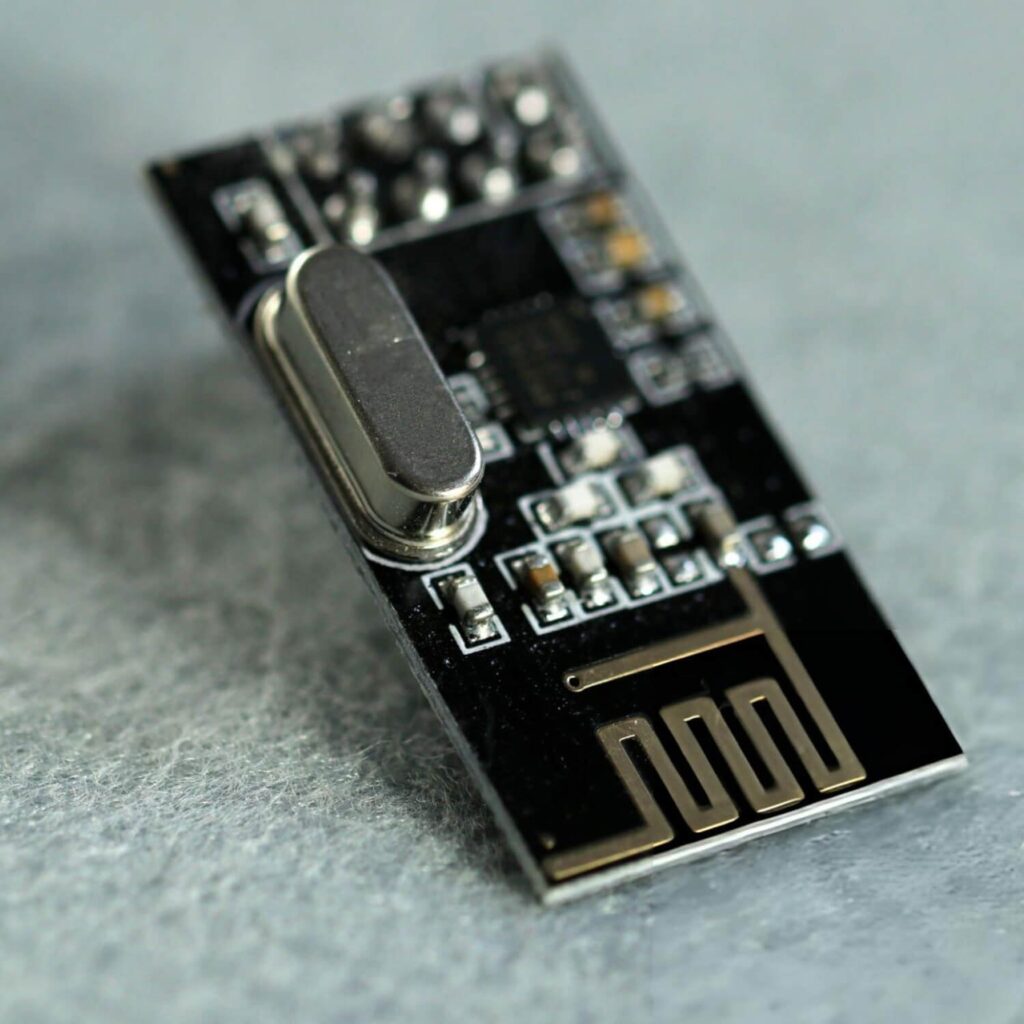
Connected electronics with a clear place in your IoT system.
An IoT device has to do its job locally and exchange information with a wider system. Sensors or controls, embedded behavior, network access and application services need defined interfaces and responsibilities.
Discuss your connected electronic product with XCC Technology. We begin with the device's function, deployment conditions and current design stage, then review the OEM/ODM work required within the complete system.
Start with the information or action the device provides
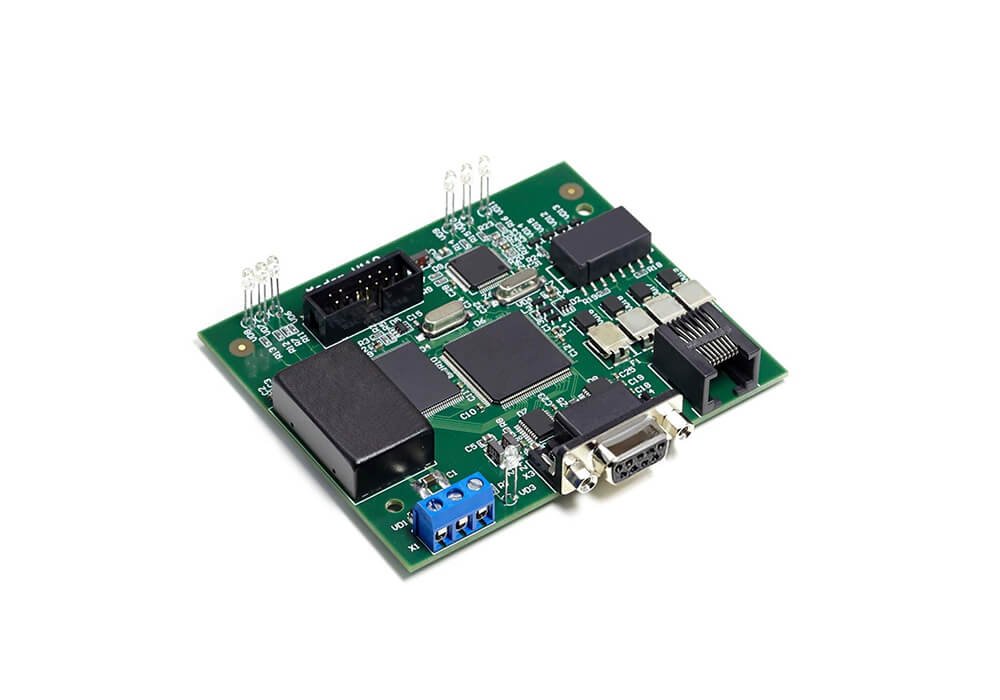
Describe what the device measures, reports or controls and what the receiving system does with that information. Identify whether the product is an endpoint, a gateway or another connected assembly, and which parts already exist.
A brief might concern a monitoring device, a connected controller or a gateway linking equipment to another system. These categories help explain the request; the actual device type, interfaces and requested work need project review.
For products used in homes, Smart Home Electronics covers installation and everyday user interaction. For electronics controlling equipment, Industrial Control Electronics covers the equipment signals and operating sequence. This page focuses on the connection between the device and its supporting system.
Device development and manufacturing support
Build the local electronic function
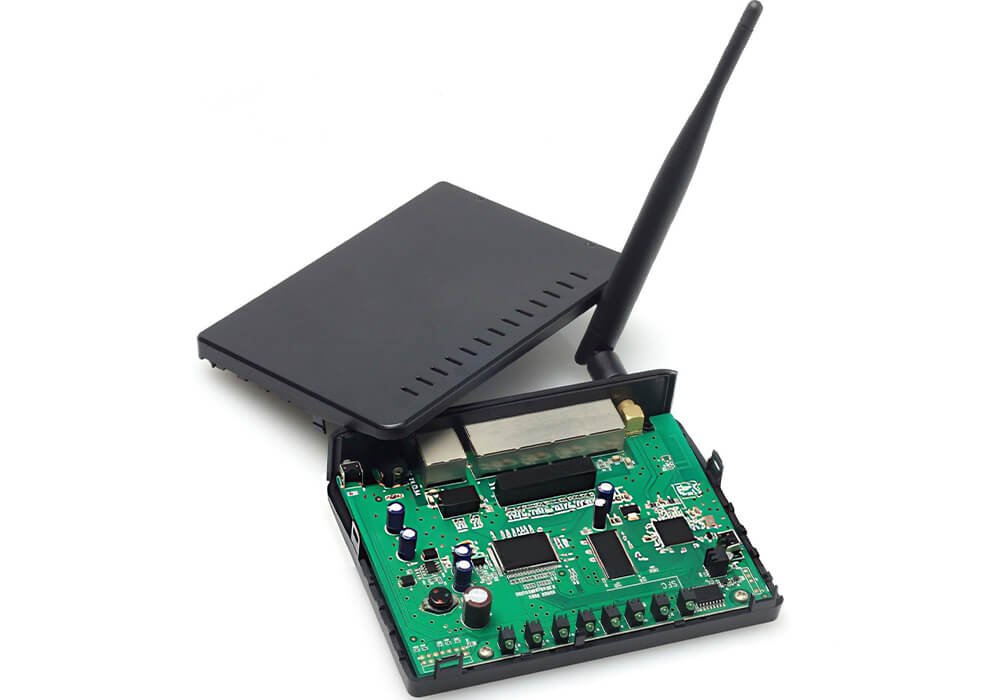
We define the device work around sensing, processing, control and the power and physical requirements of its deployment. Where development is commissioned, the scope connects those functions with the hardware and embedded implementation, interfaces and evaluation samples. An existing product can start with a review of the released design and the adaptation needed for its connection to another system.
Integrate with the specified communication path
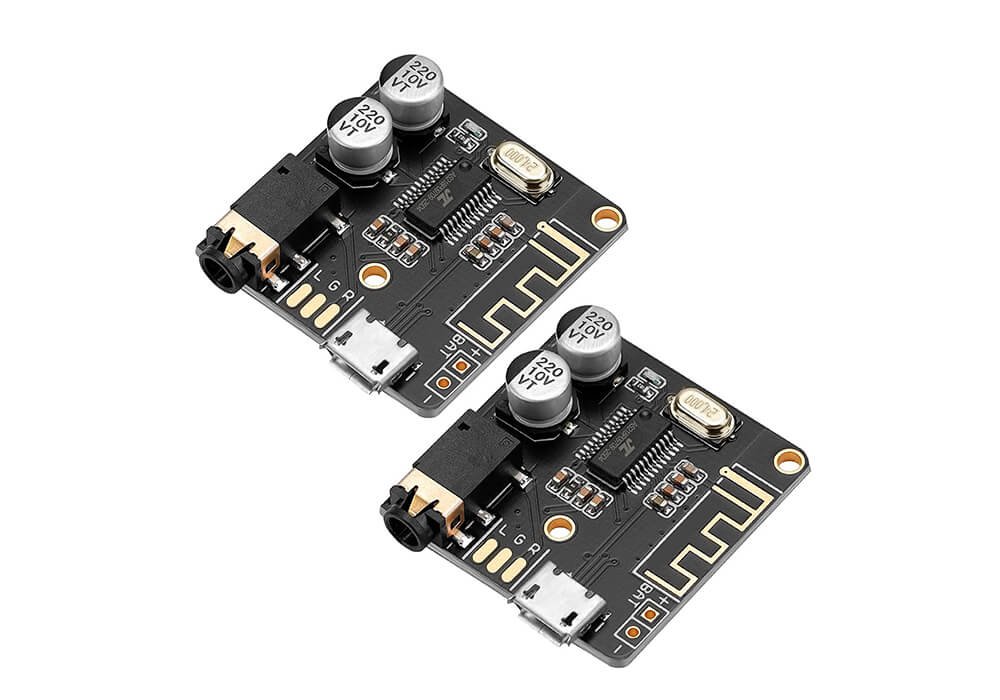
The device's exchange of data is reviewed against the network and receiving-service requirements supplied for the project. Hardware integration and embedded behavior need a defined interface to that service, including message formats, setup information and expected results. The system owner supplies or agrees the environment used for integration evaluation.
This work gives both teams a concrete way to check that the device performs its local task and communicates as specified. The responsibilities for network access, app behavior and service operation are recorded alongside the device work so the project has a complete system boundary.
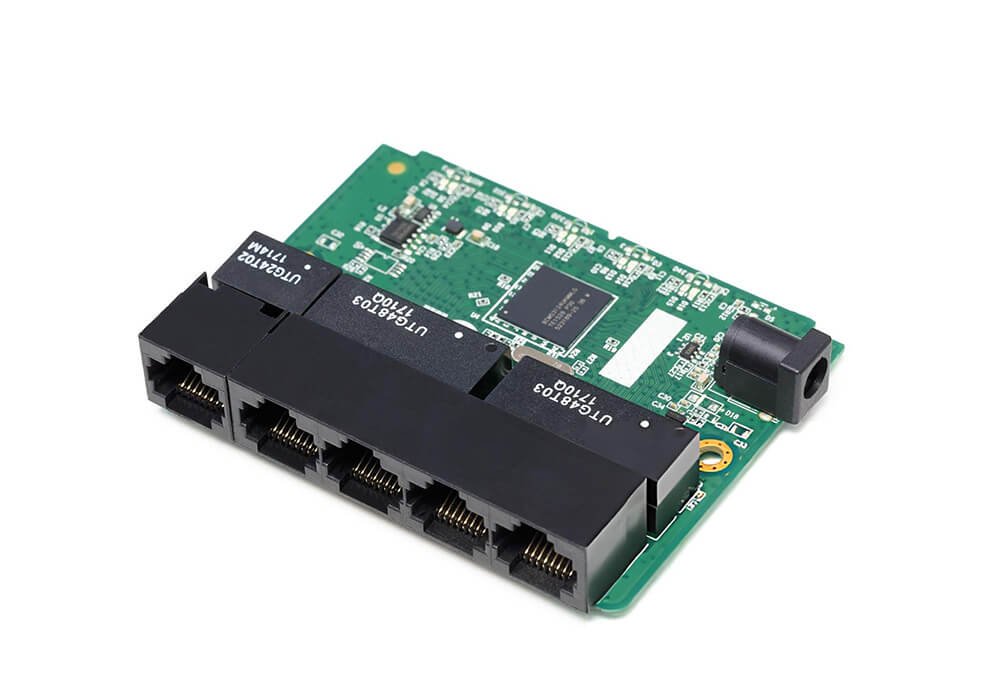
Prepare the approved device for production
The build definition identifies the hardware, firmware and device configuration that have been approved. Assembly, programming and functional checks are prepared for that version. If unique identifiers or credentials are loaded during manufacture, the agreed provisioning method and permitted access are included in the production instructions.
The commissioned handover may include evaluation units, design files, firmware release information, a data-interface description, configuration instructions and the specified test or provisioning records. For a finished unit, the enclosure, labels, installation information and packing complete the order definition. Update and service responsibilities are assigned to the relevant owner for the period agreed in the project.
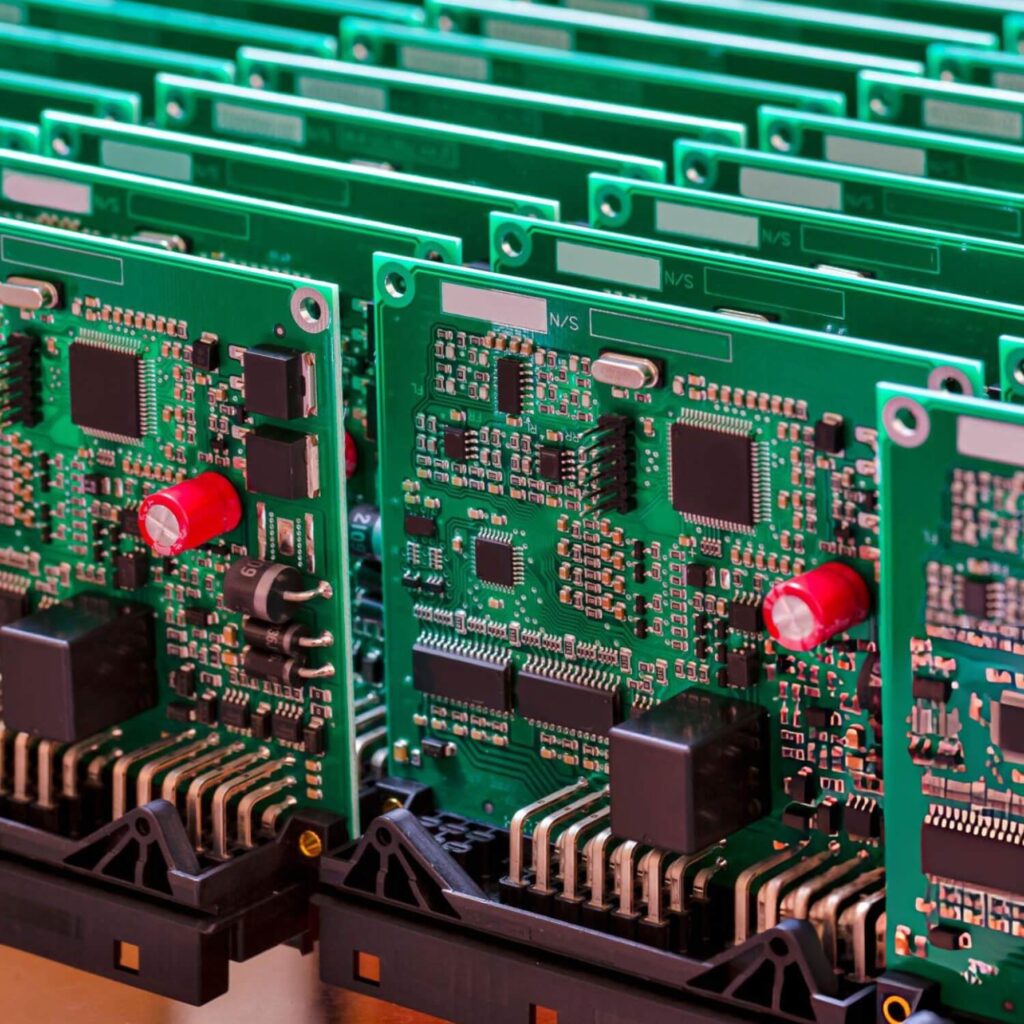
Define the system boundary
Device hardware
Identify sensors, controls, power source, connectors, enclosure and the intended installation. Include the information the device must acquire and any local action it must perform. Measurement requirements, response timing and physical constraints should have defined acceptance criteria.
If a radio or communication module has already been selected, provide its specification and the restrictions associated with its use. The antenna, enclosure and deployment conditions belong in the integration discussion.
Firmware and local behavior
Describe sampling, processing, reporting and command behavior. Identify what the device does when the network is unavailable, whether data must be retained locally and how it reconciles its state after a connection returns.
Define the software owner, source and binary deliverables, build information and version approval. Customer-supplied firmware and firmware requested as part of the project have different handover and acceptance requirements.
Network and communication
Specify the intended network and where it is available. Deployment location, range, obstacles, access restrictions and recurring service arrangements can affect connectivity choices. Communication technology is reviewed for the particular application; no protocol or coverage should be assumed from the term “IoT.”
Define the data format, reporting frequency, commands and handling of unsuccessful exchanges. Identify who supplies network access, accounts and the environment needed to evaluate the connection.
Cloud, applications and system operation
Identify who provides the receiving service, mobile or web application, user accounts and system administration. Device engineering does not automatically include developing or operating those services.
If an external platform already exists, share its interface requirements and test arrangements. If software services are part of the requested work, list them separately so their responsibilities, delivery and ongoing operation can be assessed.
Balance connectivity with the power requirement
For a battery-powered device, define the operating pattern: sensing, processing, transmitting, waiting and any local controls or indicators. Reporting frequency and recovery attempts can influence energy use, so the network assumptions belong alongside the power budget.
For an externally powered device, identify supply interruptions and required restart behavior. If the product needs backup operation, state the required functions and duration as project requirements. Battery life and operating duration claims require evidence for a defined configuration and use pattern.
Tell us how the device will be serviced. Battery replacement, accessible connectors and configuration recovery may influence the enclosure and the information supplied with the finished product.
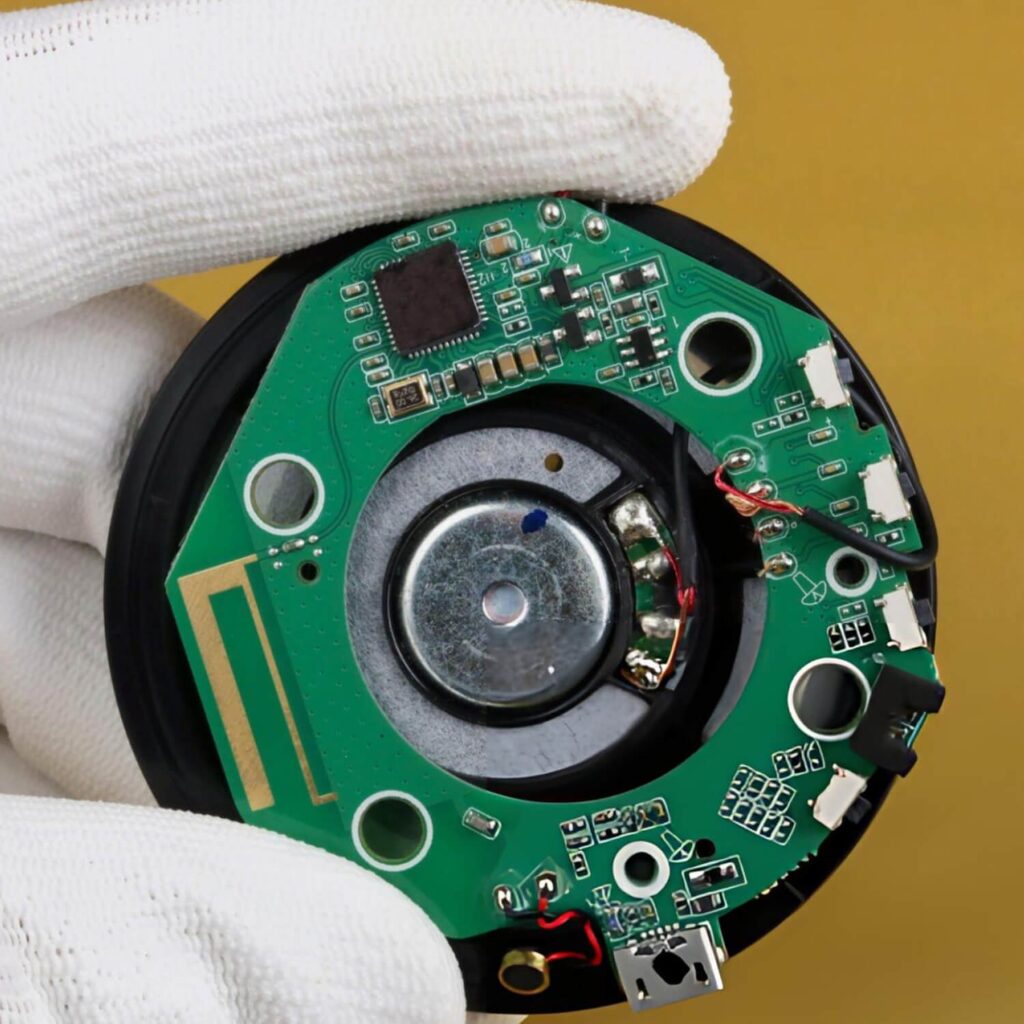
Plan device identity and setup
A connected product needs an agreed setup route. Define how a device is identified, configured and associated with the intended account or system. Specify which steps occur during manufacture and which occur during installation.
Where credentials, certificates or unique identifiers are required, the project must identify their owner, generation method, access controls and handling process. Those details should be agreed before production provisioning is requested. Sensitive credentials should not be sent through the initial website enquiry.
Also define reset and ownership transfer. A returned or reassigned device may need a different process from a first installation. The product behavior, supporting service and user instructions need to agree on that process.
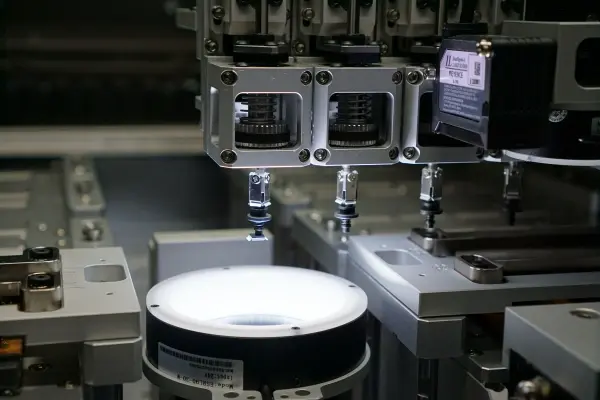
Establish update and support responsibilities
Connected products can depend on software and services after delivery. Identify who manages updates, compatibility changes, vulnerability reports and ongoing system operation. Required support duration and update mechanisms should be stated in the project scope.
If remote updates are required, define approval, version identification, interruption handling and recovery expectations. The device, firmware and external service may each require evaluation. A successful demonstration of an update does not establish every security property or a promise of continuing service.
Security requirements should reflect the intended deployment and data handled. Identify the responsible reviewer, acceptance criteria and any required external evaluation rather than relying on a broad “secure IoT” claim.
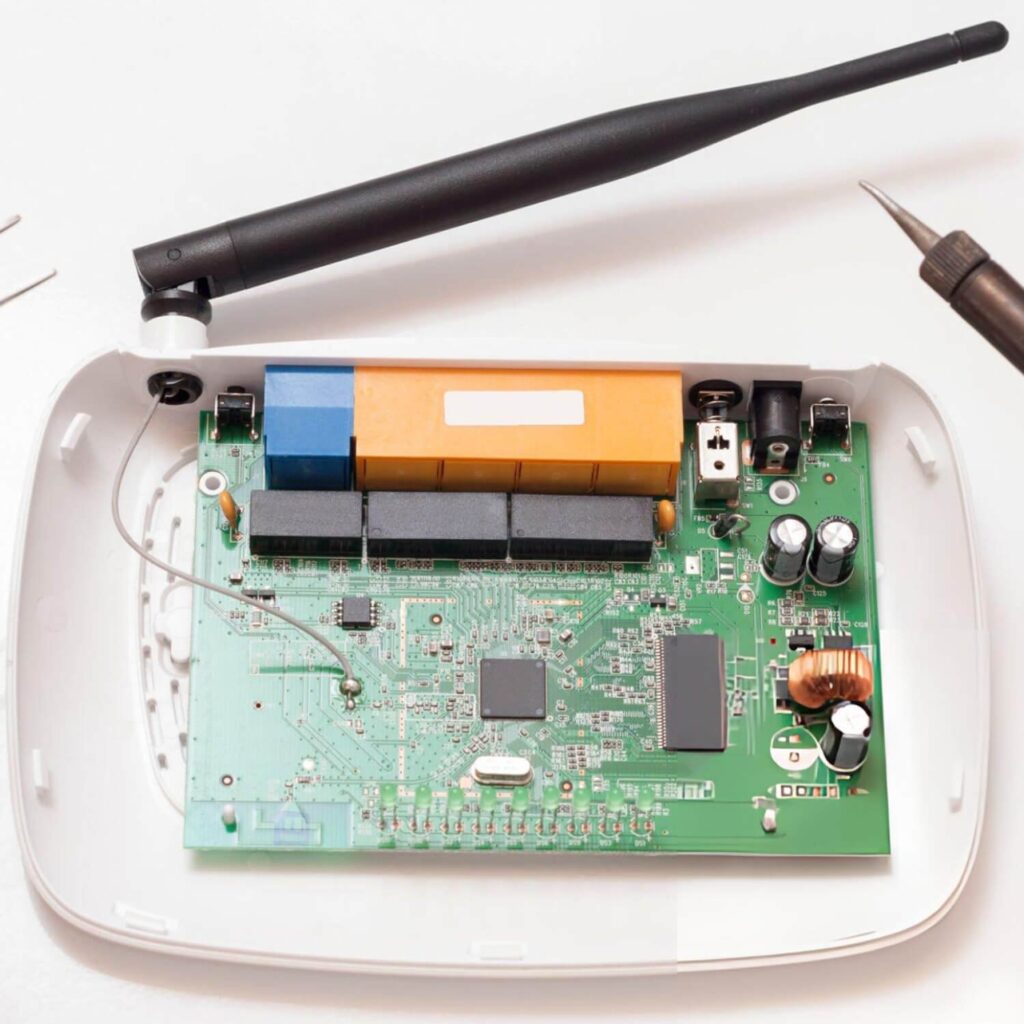
Evaluate the connection and prepare the production configuration
Review normal operation together with setup, power interruption, unavailable networks, reconnection and unsuccessful commands where relevant. The evaluation environment should represent the required system interfaces and deployment conditions.
For manufacturing, define the approved hardware and software, device configuration and release checks. Provisioning records, labeling and unique identifiers must correspond to the correct unit when those activities are included. The required delivery package should explain which outputs are provided and which remain with the customer or platform owner.
Our OEM/ODM page explains the overall scope, review points and transition from development or an existing design into production.
Information for your connected product brief
- Device function, data collected and any local control actions.
- Deployment environment, power source and service access.
- Required connectivity, reporting frequency and behavior when disconnected.
- Existing hardware, firmware and platform information.
- Ownership of app, cloud, network access and ongoing operation.
- Setup, identifiers, provisioning, reset and update requirements.
- Required evaluations, target markets, assembly level and planned quantities.
IoT project questions
Does an IoT device project include the whole platform?
Only if each required element is agreed in scope. Hardware, firmware, cloud services, apps and ongoing operation must have named responsibilities. Tell us which parts you already have and which support you are requesting.
Can an existing electronic product be connected to a system?
Describe the available interface, required data and local behavior. Power, space, firmware access and the receiving system's requirements help define the adaptation. Connectivity can also change evaluation and market approval needs, so it should be reviewed as a product change.
How is battery life determined?
It depends on the hardware, software, reporting pattern, network behavior, battery and operating conditions. Define the use pattern and evaluation method before accepting a duration claim. An estimate based on one operating state does not describe every deployment.
Who handles updates after delivery?
That responsibility must be agreed. Identify who maintains firmware, approves releases, operates the update service and responds to issues. Ongoing maintenance is a separate scope decision and should not be assumed from a development or production order.
Tell us about the device and the system around it
Share the local function, connection requirements and responsibilities already assigned. We can discuss the requested work and the information needed for the next project stage.