Industrial control electronics built around the equipment they serve.
A control product must work with the equipment, signals and operating process around it. Inputs and outputs are only part of the brief. Startup states, fault responses, installation and maintenance also determine whether the electronics fits the job.
Discuss your industrial control electronics OEM/ODM project with XCC Technology. Describe what the product monitors or controls, how it connects to the equipment and the development or manufacturing support you need.
Make the equipment relationship clear
Your project may concern a controller, operator interface, monitoring unit or electronic subassembly within equipment. Identify the required functions and the boundary between the requested product and the wider machine or system.
For a new requirement, explain the operating sequence and the decisions the electronics must make. For an existing design, provide the current interfaces and the version intended for manufacture. For a replacement controller, identify compatibility with the existing wiring, mechanical installation and equipment behavior.
Identify any required PLC platform, industrial protocol or safety-related control requirement at the beginning. These requirements help define the implementation, evaluation and responsibilities for the project.
Engineering and production support for the control product
Define and develop the control functions
We connect the operating sequence with the I/O, processing, embedded behavior and operator interface included in the project. The development scope identifies the signal and interface definitions, control states and physical constraints needed to create an evaluation assembly.
For an existing product, we review the released design and the requested changes against its host equipment. A new sensor, output or display can affect firmware and acceptance as well as the circuit. Those dependencies are included in the review before a revised configuration is proposed.
Bring the electronics into the equipment review
Evaluation units provide a way to check signal handling and operating behavior with the specified sensors, loads and interfaces. We agree the test arrangement and the information provided by the equipment owner. Review findings identify the sample version, behavior checked and actions needed before the next build.
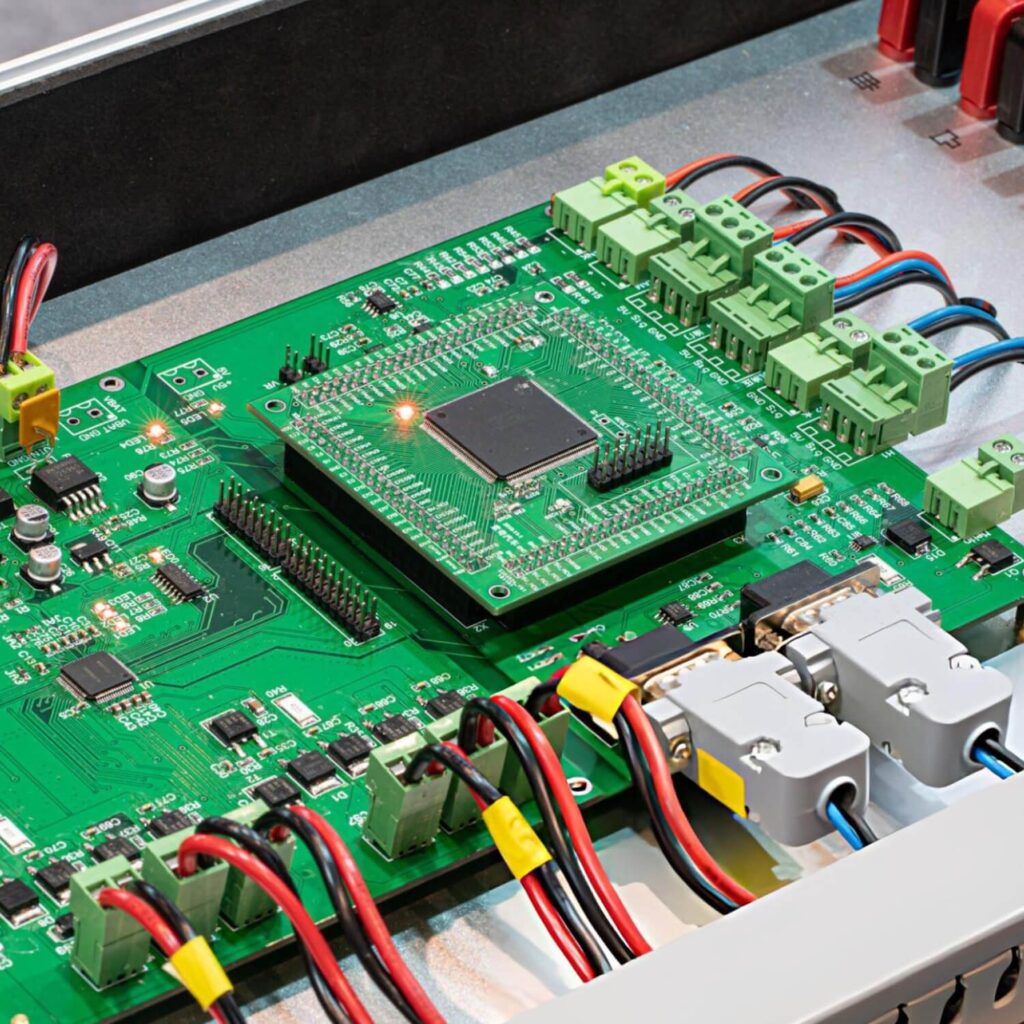
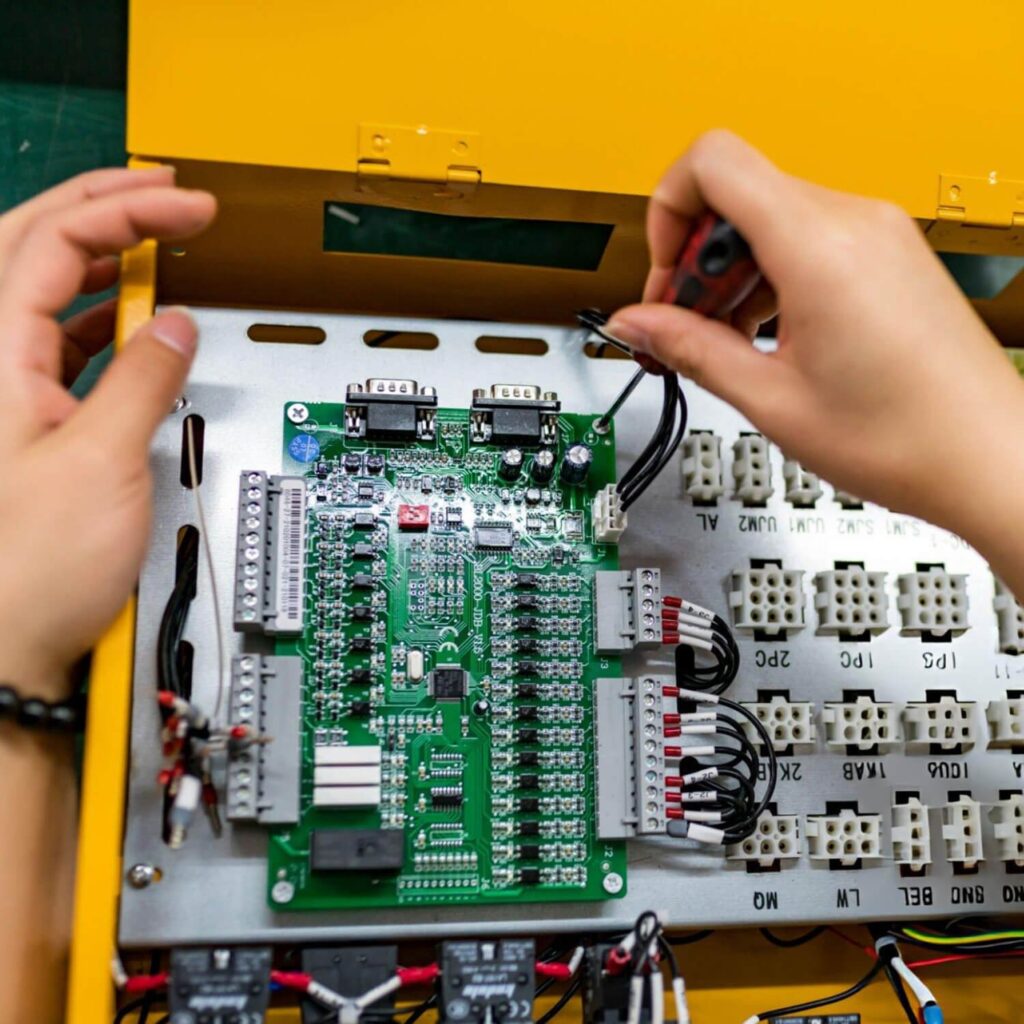
The work also addresses the physical interfaces commissioned for the product: mounting, connectors, access and integration into a housing or panel. Operator and maintenance requirements are considered with that assembly so settings, diagnostics and replacement procedures can be defined for the delivered unit.
Prepare the build and handover information
Production preparation identifies the materials, firmware, parameter settings and assembly instructions for the approved version. Functional checks are tied to the relevant inputs, outputs and states, with programming or calibration instructions where those activities are included.
The handover can include samples, commissioned schematics and board files, I/O and interface information, software release details, assembly instructions and agreed test records. For an integrated product, housing, labels, accessories and packing are part of the specified delivery. Repeat ordering and future changes use that configuration as their reference.
Define the interfaces before the assembly
Inputs and outputs
List each signal, its electrical characteristics and the function it represents. Identify sensors, switches, actuators and other connected items, including any supplied by the customer. State the required timing, measurement behavior and output conditions where they affect the equipment.
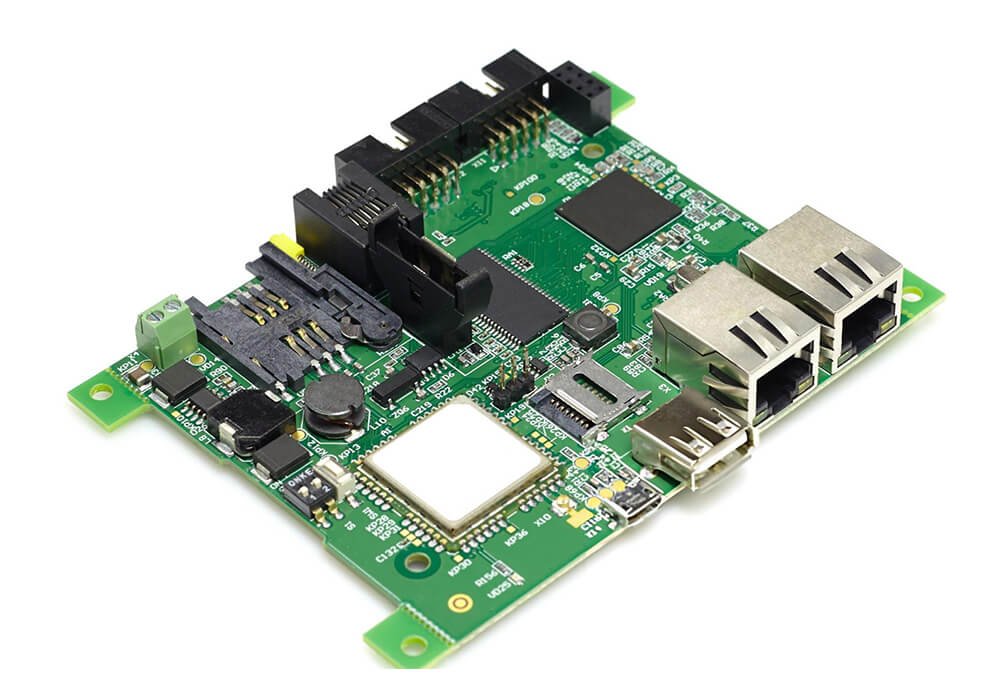
Connector type, pin assignment, cable length and grounding arrangements may matter as much as the signal name. If an interface is inherited from an existing machine, provide its actual specification and any known limitations.
Operating states and recovery
Describe the expected sequence from power-on to normal operation. Identify which outputs may operate during startup, how settings are loaded and what happens when a sensor value is unavailable or a communication link is lost.
Recovery behavior should be explicit. Does operation resume automatically, wait for an operator or require a reset? Which settings and records must survive interruption? Requirements for safe operation and machine safety remain with the responsible system design and must be identified in the proposed scope.
Equipment communication
If the product exchanges data with a host controller or another system, identify the required protocol, message definitions, timing and access to an evaluation environment. The implementation and its acceptance need defined responsibilities.
For remote monitoring or connected services, our IoT Electronics page covers device identity, network behavior and software ownership. Equipment control and a remote data service are different parts of the system and should each have clear boundaries.
Installation and environment
Provide the mounting location, available space, enclosure arrangement and required environmental conditions. Consider heat from nearby equipment, airflow, dust, moisture, vibration and electrical disturbance according to the product's intended use.
Specify power source, isolation and protection requirements where applicable. A power function that needs separate development or evaluation can also be discussed through Power Management.
Operator and service access
Explain how operators view status, change settings and identify a fault. A maintenance team may need access to diagnostics, replacement parts or a service interface. The required information should be available without relying on an undocumented setup step.
For a replaceable unit, identify the installation procedure, configuration transfer and compatibility expectations. If field updates are required, define who supplies them and how the approved version is controlled.
Evaluate with the host equipment in mind
A controller can pass an isolated board check and still need evaluation with its actual sensors, loads, harness and operating sequence. The project should define which checks are performed on the assembly and which are performed in the complete equipment.
Relevant evaluation may include signal handling, timing, startup and shutdown, interruption recovery and operation under specified environmental conditions. The methods, test arrangement and acceptance criteria must be agreed for the product. Special qualifications or external testing are included only when expressly defined.
When manufacturing is requested, production checks need to reflect the released configuration and required functions. Programming, parameter setting or calibration requires a specified version, procedure and record where applicable. The responsible party should provide or approve the reference configuration used for acceptance.
Plan for repeat builds and component changes
Equipment products may need repeat production after the initial order. Tell us about the expected ordering pattern, required service period and any restrictions on material or design changes.
The project should identify the approved material list, acceptable alternatives and the change approval process. Availability concerns may require a design decision rather than a simple purchasing substitution. A component change can affect signal behavior, software, mechanical fit or a prior evaluation result.
For a redesign or transfer, define the baseline and the information available to reproduce it. Schematics, material specifications, firmware, assembly instructions and test fixtures may have different owners. Confirm the rights and access needed for the requested work.
Our OEM/ODM page explains how the overall scope, review points and delivery information are agreed.
A useful industrial project brief
- Equipment function and the electronics' role within it.
- Input/output list, power specification and communication requirements.
- Operating sequence, startup, fault handling and recovery behavior.
- Mounting, enclosure, harness and environmental conditions.
- Operator interface, service access and update requirements.
- Current files, samples, known issues and requested assembly level.
- Test requirements, target market, supplier qualifications and ordering pattern.
Industrial project questions
Can an existing controller be adapted for a new machine?
Describe the new interfaces and operating sequence, along with the parts that must remain compatible. Electrical, firmware and installation changes may need evaluation together. The existing files and their ownership help determine the scope of the adaptation.
What if our equipment uses a specific industrial protocol?
Provide the required protocol and implementation details, including any licensing or qualification requirements. Host-system access and test responsibilities should be identified. A protocol name is a requirement for review, not an automatic compatibility commitment.
Can the project include an operator interface?
Include the screens or controls, states, settings and service information you need. Identify whether the interface is part of the electronic unit or supplied separately. Hardware, embedded behavior and application software must each have an agreed owner and delivery scope.
How should we plan for obsolete components?
Share the expected production and service period and any restrictions on alternatives. Define how availability issues are reported and who approves replacements or redesign. Ongoing lifecycle work and reserved materials require specific arrangements; they are not automatic inclusions in a production order.
Tell us how the electronics must work with your equipment
Share the interfaces, operating sequence and current design stage. We can discuss a project scope that connects the requested electronics with the equipment requirements and acceptance process.