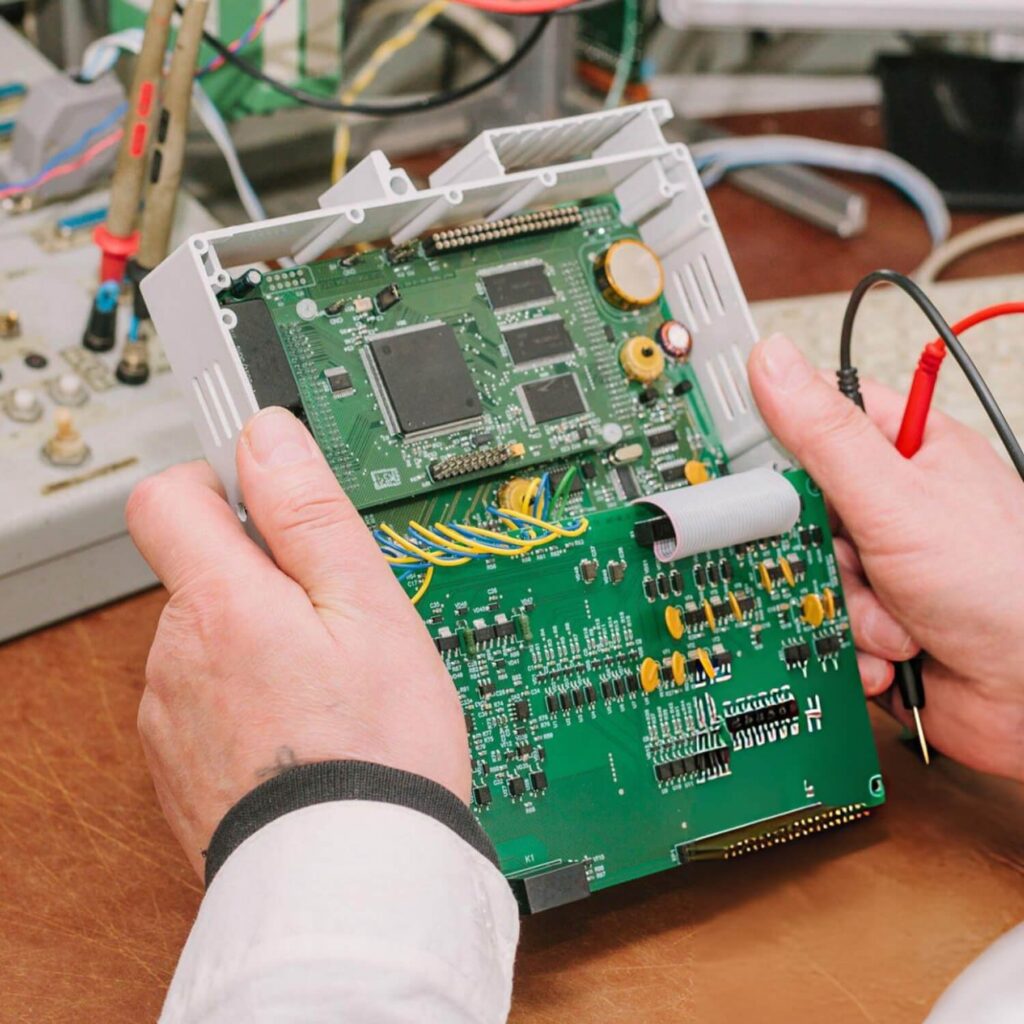
A practical partner for your electronic product.
XCC Technology focuses on electronic product OEM/ODM for product companies, engineering teams and buyers. We help turn a product requirement into a defined development or manufacturing project, with attention to the finished unit and the work required to deliver it.
Your starting point may be a concept, a prototype, a released design or a product that needs to change. Our role begins with understanding that starting point and agreeing how we can support the next stage.
Our focus: the product your customer will use
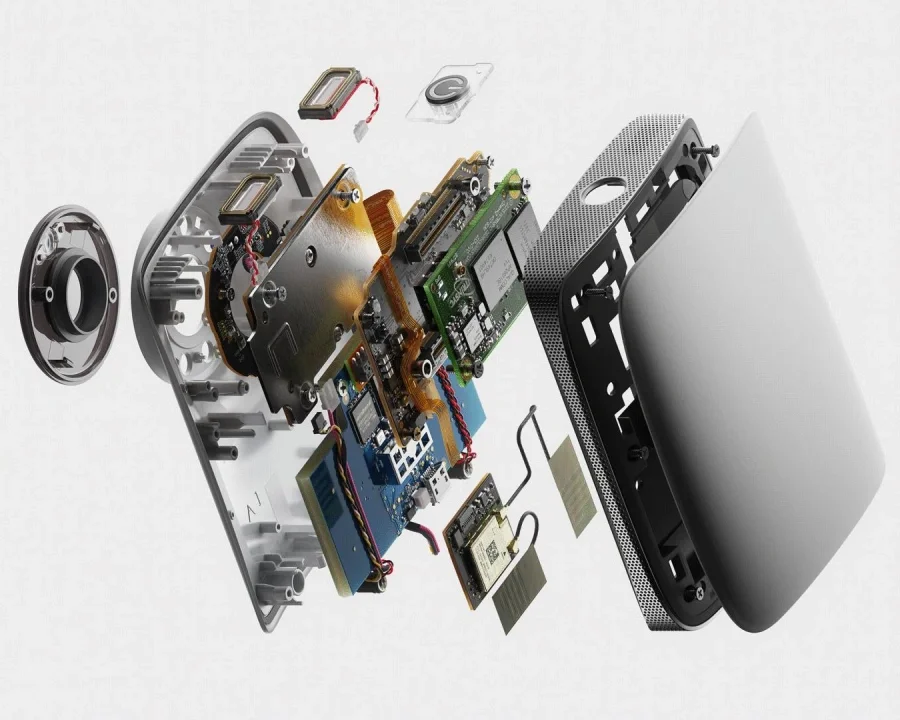
An electronic product combines more than its circuit board. Its behavior depends on the relationship between electronics, software, power, interfaces, enclosure and operating environment. Its production also depends on the information used to source materials, assemble units, test functions and approve delivery.
We organize the project discussion around these relationships. What must the product do? What is already defined? Which parts of the work need support? What will count as an acceptable result?
This keeps engineering and purchasing discussions connected. A lower component price may require a design change. A new enclosure can affect heat, access and assembly. A revised function may change testing or software requirements. These decisions belong in the project scope, where their effects can be reviewed together.
Who we work with
We work with product owners and brands defining a new device, engineering teams developing or adapting a design, and purchasing teams arranging manufacture of an approved product. The information each team needs is different, but the product requirements must stay connected across those decisions.
For a product owner, the discussion translates intended use into functions and a development plan. For engineering, it establishes interfaces, design responsibilities and evaluation. For purchasing, it makes the assembly level, material assumptions, acceptance requirements and commercial scope clear.
You can approach us at a single stage or with a wider development-to-production requirement. We define the requested work around the information you already have and the next result you need.

How the work is organized
Product and engineering coordination
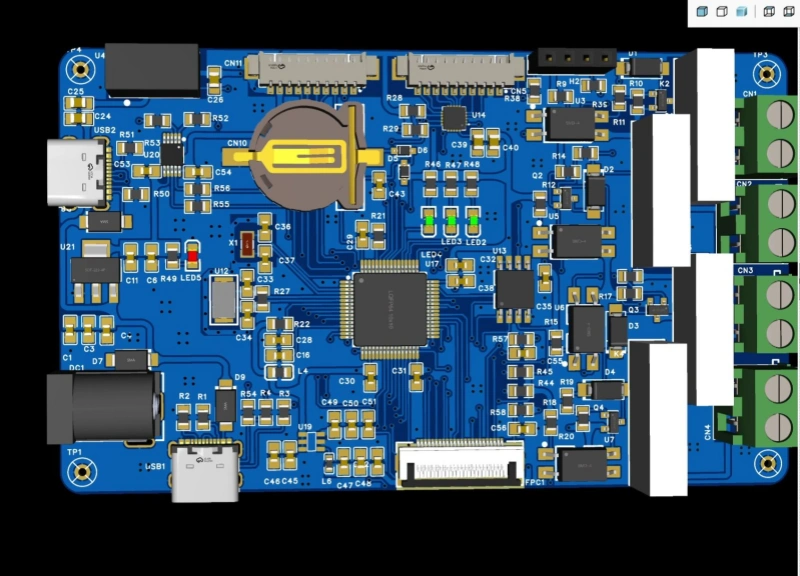
The technical discussion connects the specification with the hardware, embedded behavior and physical integration included in the project. Requirements, open questions and evaluation findings are brought into the same review so design decisions can be assessed against the finished product.
Sourcing and manufacturing coordination
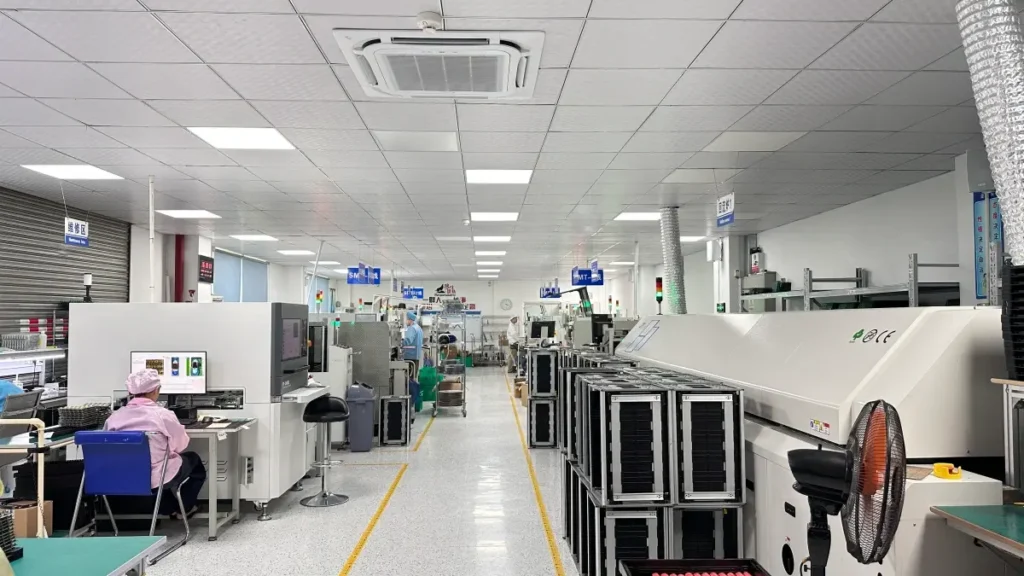
Material planning and build preparation use the approved design as their reference. Purchased parts, customer-supplied items, assembly instructions and test access need to be ready for the planned build. Where a project includes specialist suppliers or other contributors, their responsibilities and outputs are identified in the scope.

Quality and delivery coordination
Inspection, functional checks, sample approval and shipment preparation are tied to agreed acceptance requirements. The project needs a consistent answer to which version is approved, which checks apply and which information accompanies the supplied units.
These are the working responsibilities around a project. The proposal identifies the relevant contacts and how technical, commercial and approval questions will be handled.
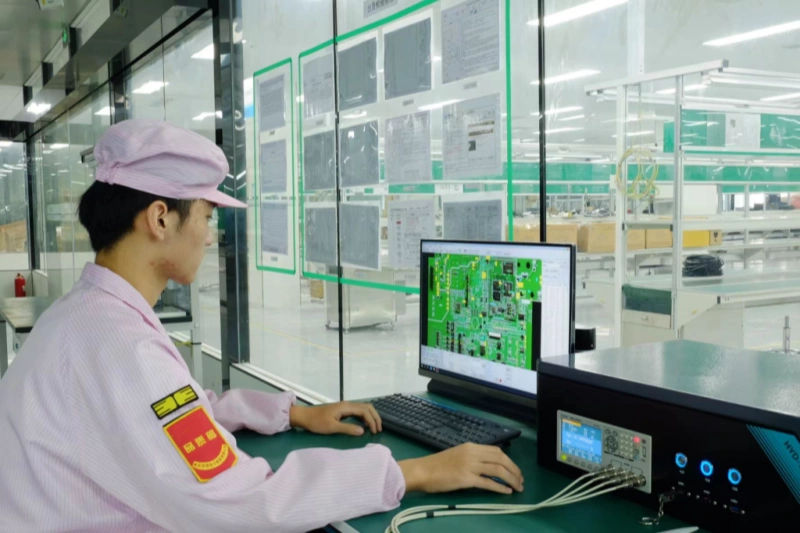
Manufacturing arrangements defined for your product
A production scope should explain where the requested work is carried out and how the different operations are coordinated. PCB assembly, programming, integration, product testing and packing may involve different requirements and contributors.
We discuss the delivery level and the operations needed to reach it. Customer-provided parts and services are identified alongside the work included in our scope. If your supplier approval process requires review of a particular operation, location or external provider, include that requirement in the initial discussion.
This gives your team a way to evaluate the proposed manufacturing arrangement before placing an order. It also makes the handover between design, materials, assembly and release easier to follow.
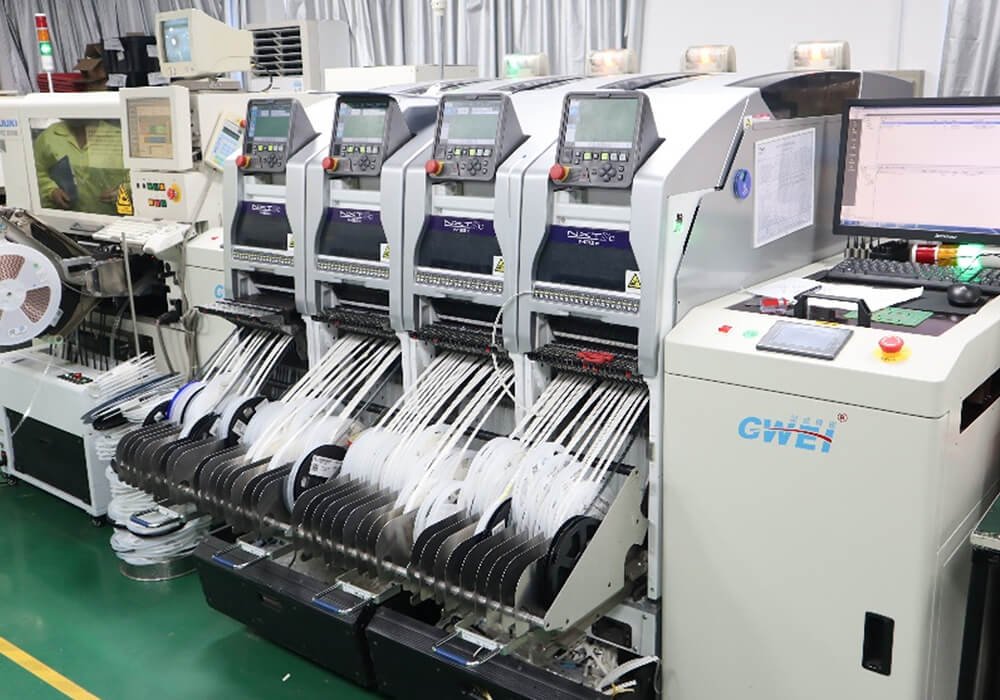
Quality expressed through the product requirements
Our working approach connects quality with the specification, approved materials, assembly information and the checks agreed for the unit being supplied. Important functions and acceptance limits need to be defined so sample approval and production release refer to the same result.
When a proposed change affects a material, design, software version or process, its effect is reviewed before the approved configuration is updated. Inspection and test records are included at the level agreed for the project. Broader reliability or market approval activities have their own responsibilities and evaluation scope.
For a buyer, these details are useful questions to raise early: what will be checked, which version will be built, who approves a change and which records will be available? Our OEM/ODM page explains how these questions enter the project plan.
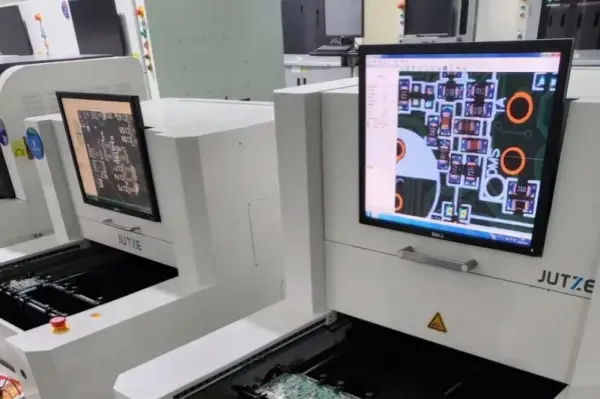
Working with different project starting points
Developing a new product
For a new requirement, the first task is to turn intended use into a workable brief. Functions, interfaces, physical constraints, target markets and evaluation criteria help define the development work and the decisions that must be resolved before production.
Manufacturing an existing design
For an existing product, the discussion starts with design maturity and production information. Released files, material specifications, software versions, assembly instructions and test requirements provide the basis for defining manufacturing responsibilities.
Adapting or transferring a product
A product change or production transfer needs a clear baseline. The existing design, approved materials, known issues and required changes should be identified before deciding what can be retained and what needs evaluation again.
Our OEM/ODM page explains these starting points and the project information associated with each.
Clear responsibilities make collaboration easier
Product projects often involve several contributors: the product owner, design engineers, software providers, material suppliers, manufacturing operations and test organizations. The important question is who is responsible for each required result.
Before work begins, the project should identify:
- The customer contact authorized to approve requirements and changes.
- The development and manufacturing activities included in our scope.
- Information, samples and approvals supplied by the customer.
- Activities carried out by other parties and how their outputs will be reviewed.
- Ownership, permitted use and delivery of design files, software and tooling.
- Review points, acceptance criteria and the information required for handover.
We discuss these responsibilities as part of defining the work. A project should not depend on an assumption that every activity is included or that every contributor uses the same definition of “finished.”
Communication tied to decisions
Useful project communication makes the current position clear: what has been agreed, what has changed, what needs an answer and what happens next.
For a development project, this may involve reviewing requirements, prototype findings and unresolved functions. For production, it may involve confirming the released configuration, material availability, test instructions and delivery requirements. The review format and communication responsibilities are agreed for the project.
When a change is proposed, its effect on design, materials, testing, cost and timing should be considered before approval. Keeping the decision tied to the product revision helps avoid confusion between an evaluation sample and the version intended for production.
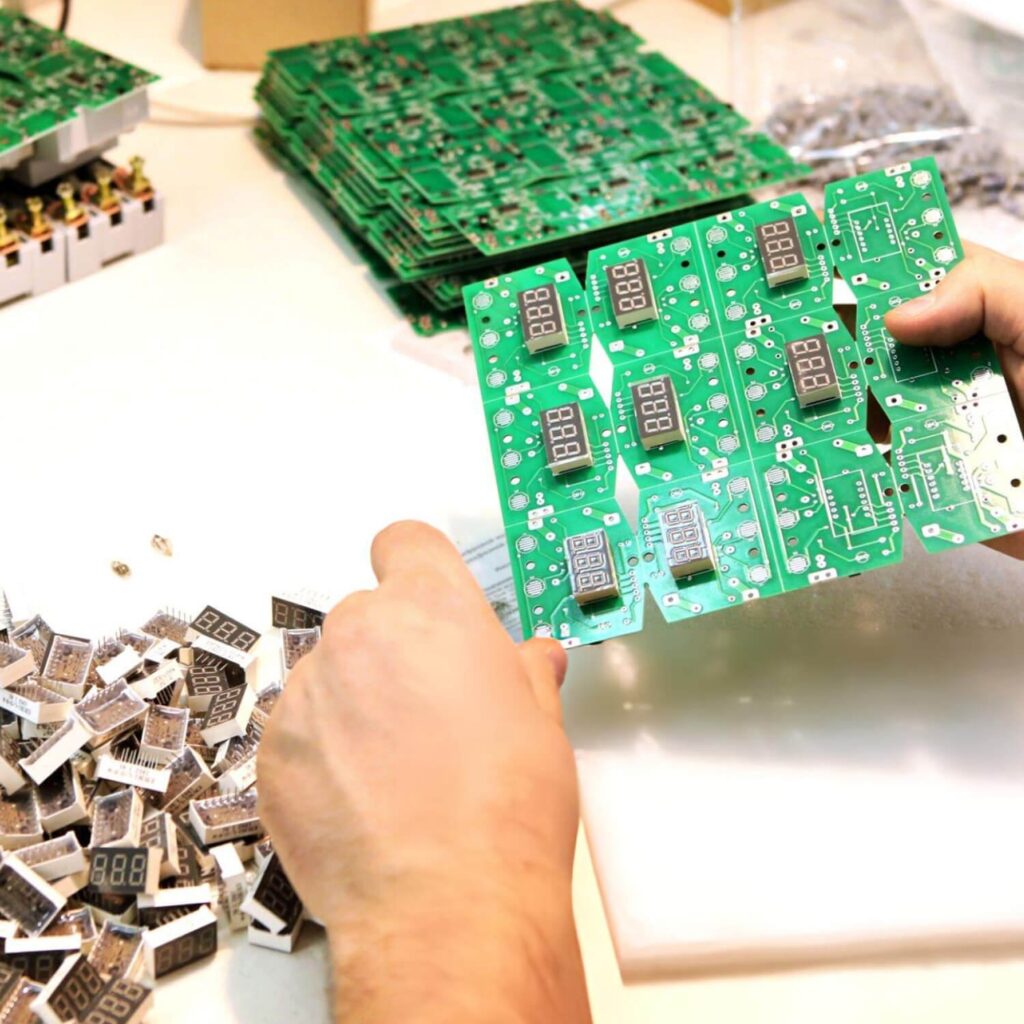
Evaluating us for your project
Choosing an OEM/ODM partner requires more than a general capability statement. Ask about the work that matters to your product and the evidence needed to assess it.
Useful topics include where the work will be carried out, which operations are included, who handles technical questions and what inspection or test information is available. If your supplier approval process requires certificates, facility information, process records or customer-specific controls, state those requirements at the beginning.
The relevance of any evidence depends on its scope. A certificate must cover the appropriate legal entity and operation. A test result must identify the product configuration and conditions. A process description must match the work requested. Project-specific requirements are reviewed before commitments are made.
Applications guide the technical discussion
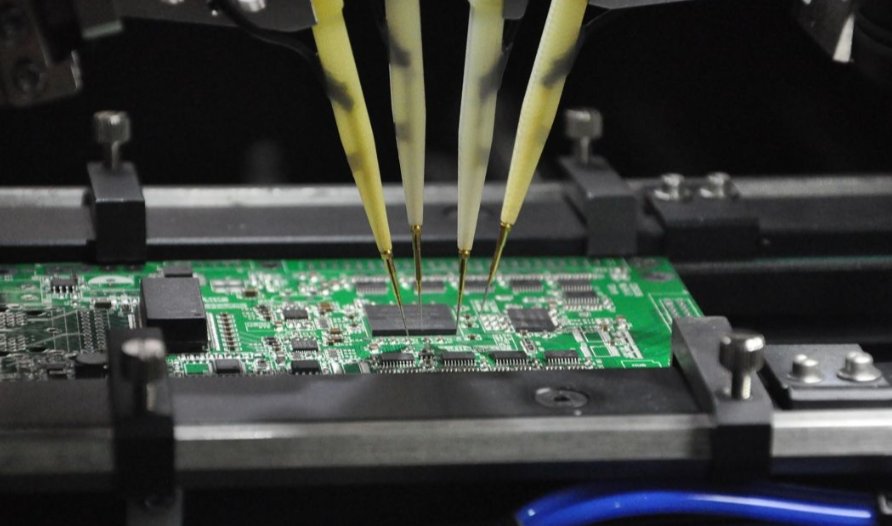
We discuss electronic product requirements across smart home, lighting, power management, medical, automotive, industrial control and IoT applications. Each field brings different questions about use, integration, operating conditions and verification.
An application label alone does not define the scope of a project. Tell us what the product does, how it is used and which requirements apply. For regulated or safety-related products, the intended use and approval responsibilities need particular attention during the initial review.
Tell us what you need from a partner
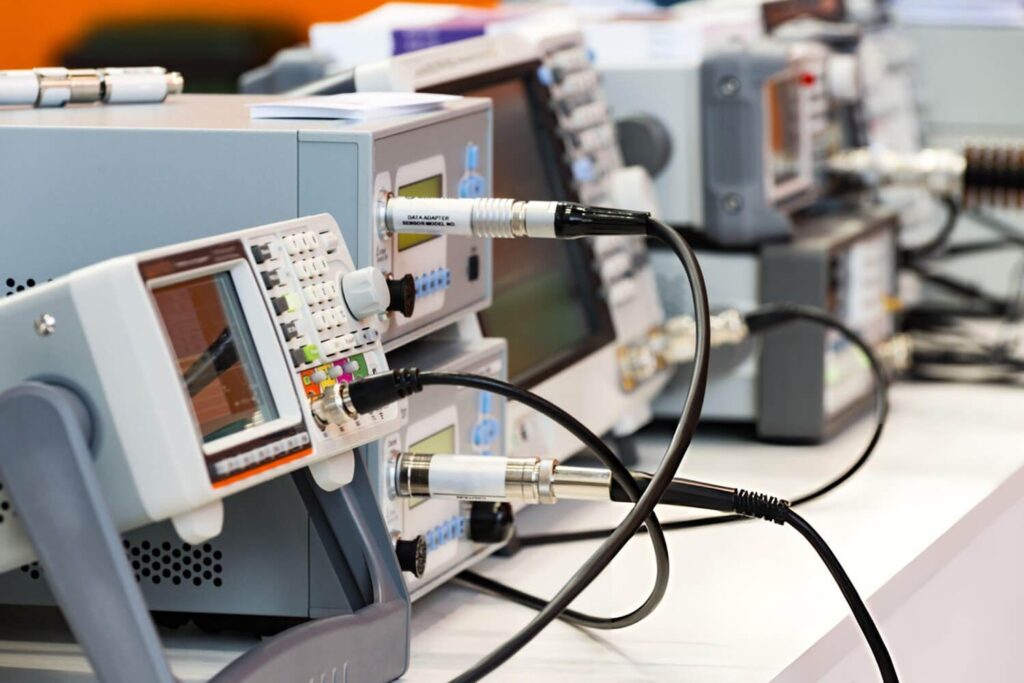
Share your product, its current stage and the support you are looking for. Include any supplier qualification requirements or documentation you need to evaluate a potential collaboration.
We can then discuss the work, the responsibilities and the information needed to decide the next step.