
OEM / ODM · PRODUCT SOLUTIONS
IoT Control PCB
Connected control boards planned for the device, network and production line.
A connected control board is only one part of an IoT product. The device also needs a defined data path, power budget, provisioning method and responsibility for firmware and any external service. WiFi router and IoT boards can be considered together where communication, control and sensing overlap.
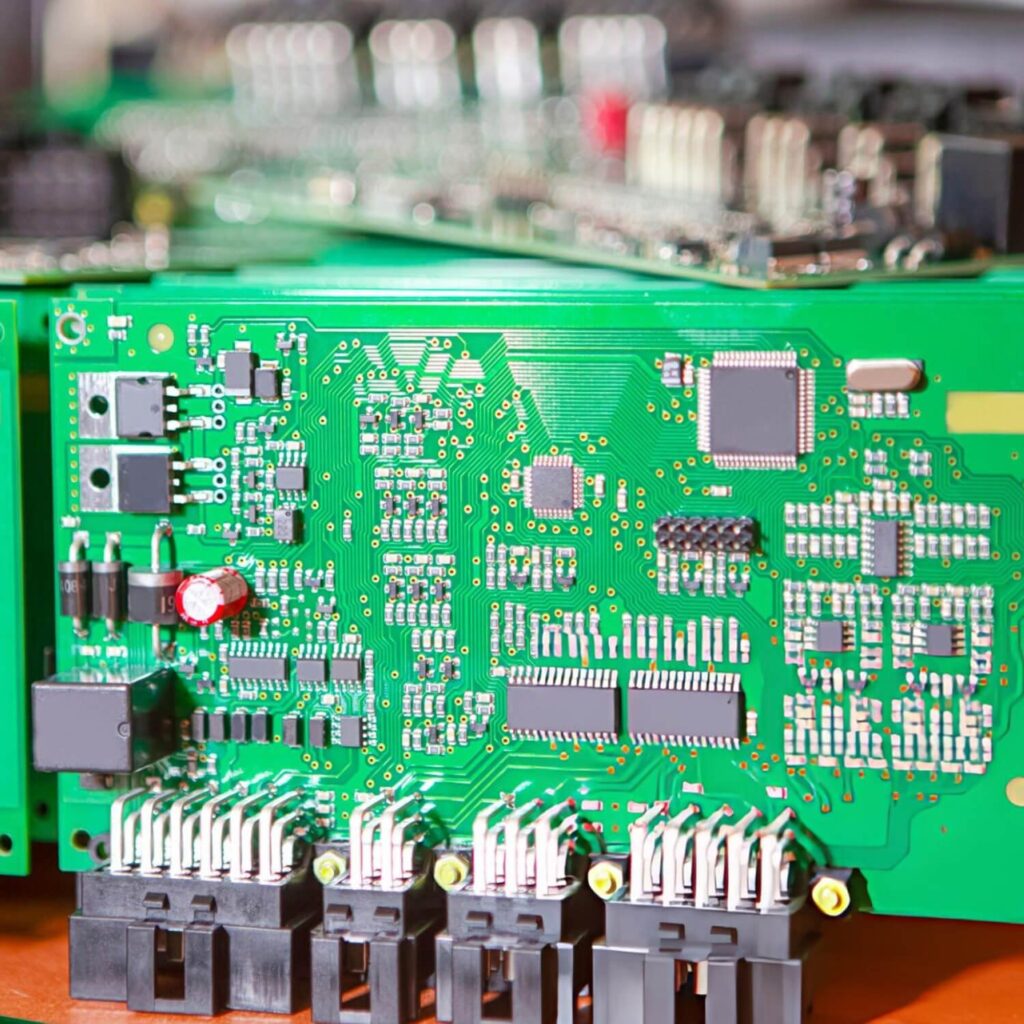
Product reference · OEM / ODM configuration
PRODUCT RANGE · 6 EXAMPLES
IoT Control PCB Product Examples
Browse product boards and subassemblies from the existing page catalogue. Product images are category references; the approved drawing, BOM, configuration and acceptance criteria define each customer build.
01 / PRODUCT FAMILY
WiFi Router PCB
A router or network board may combine processing, radio, power and wired interfaces. The first questions concern the intended network role, enclosure, antenna placement, connector arrangement and heat management. If the board is a subsystem within another product, define the host interface and how the assembled unit will be checked.
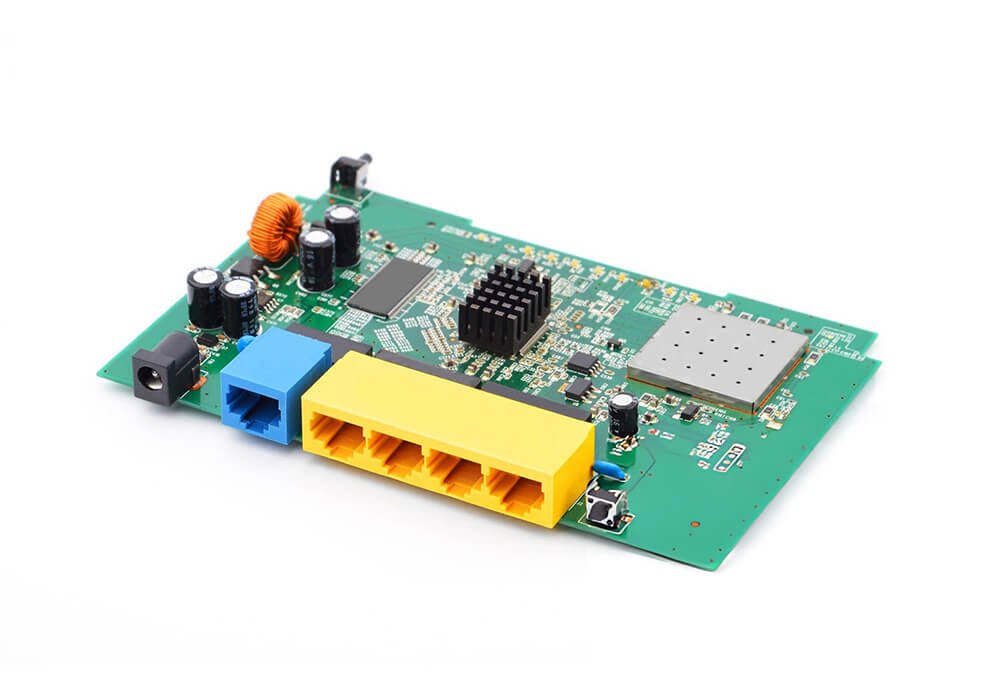
WiFi Router PCB
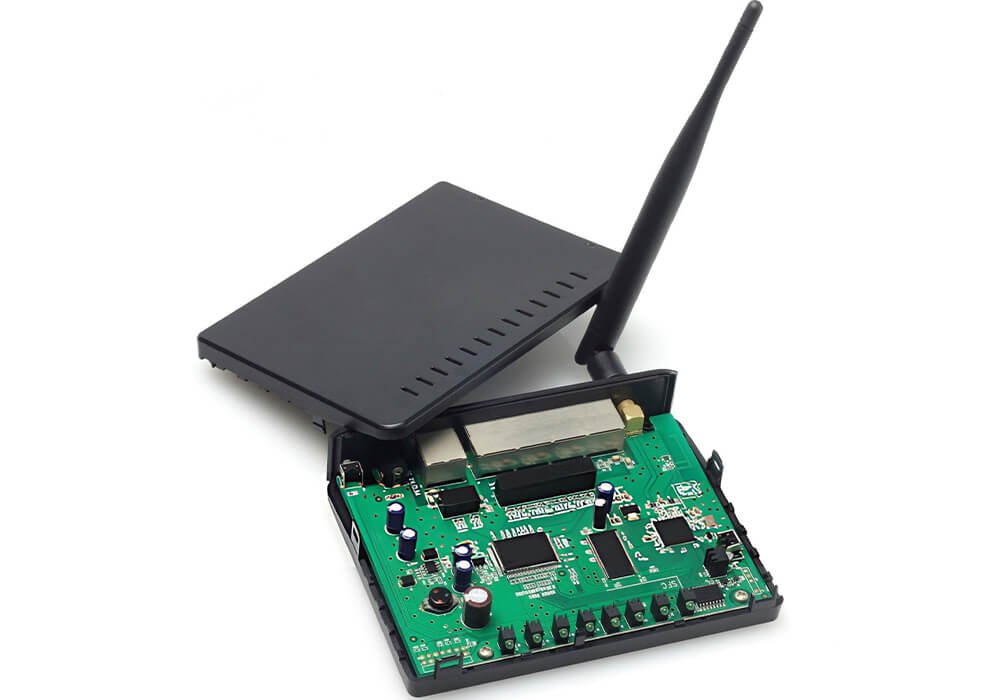
WiFi Router PCB — Network Interface
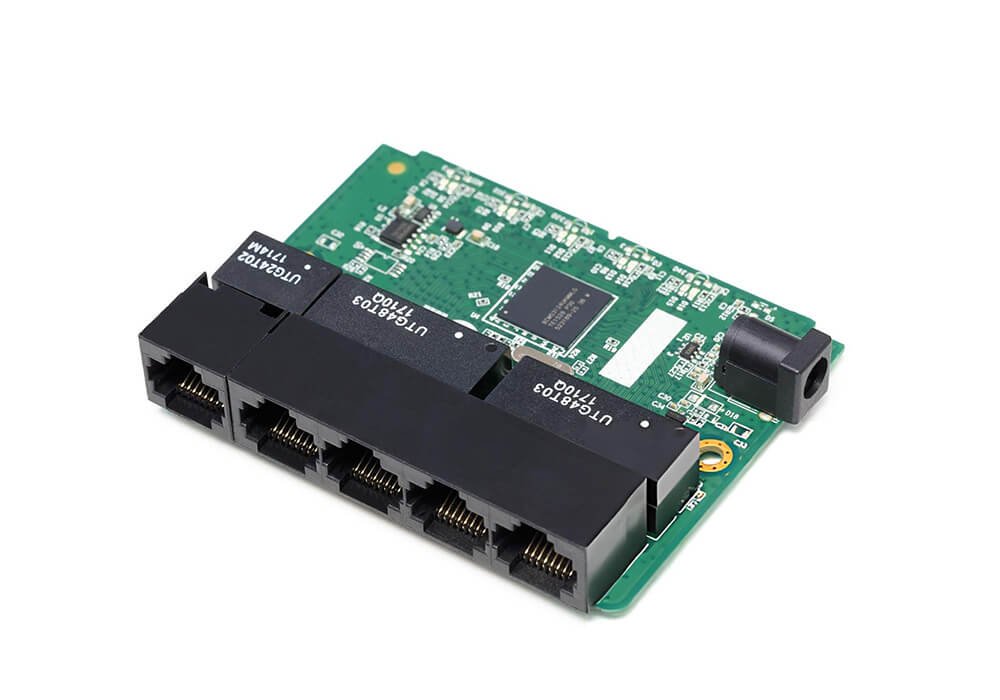
WiFi Router PCB — Wireless Control
02 / PRODUCT FAMILY
IoT PCB
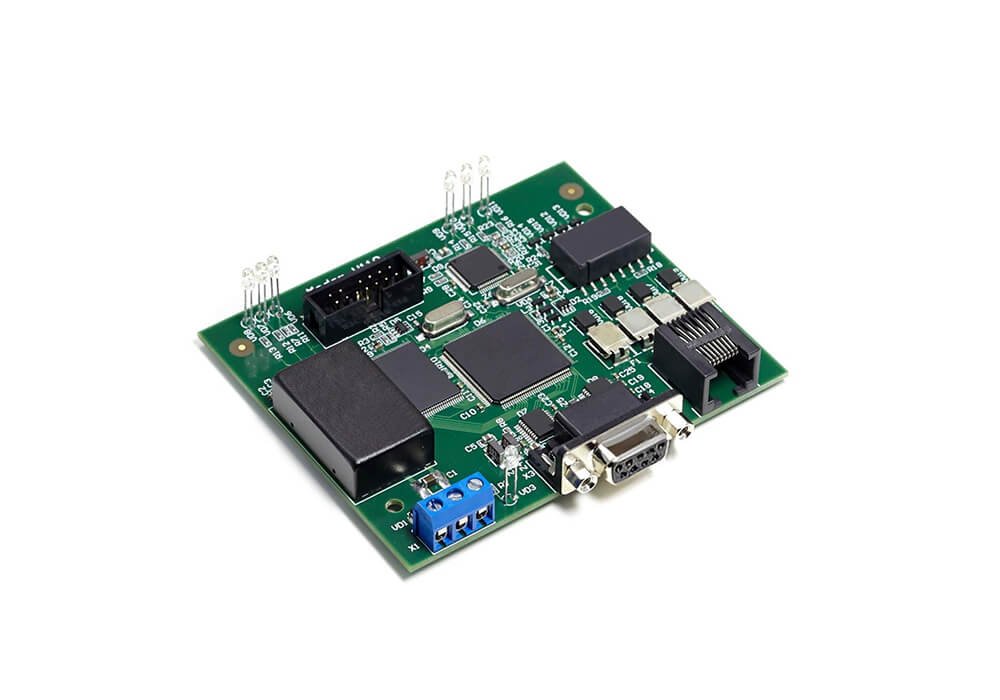
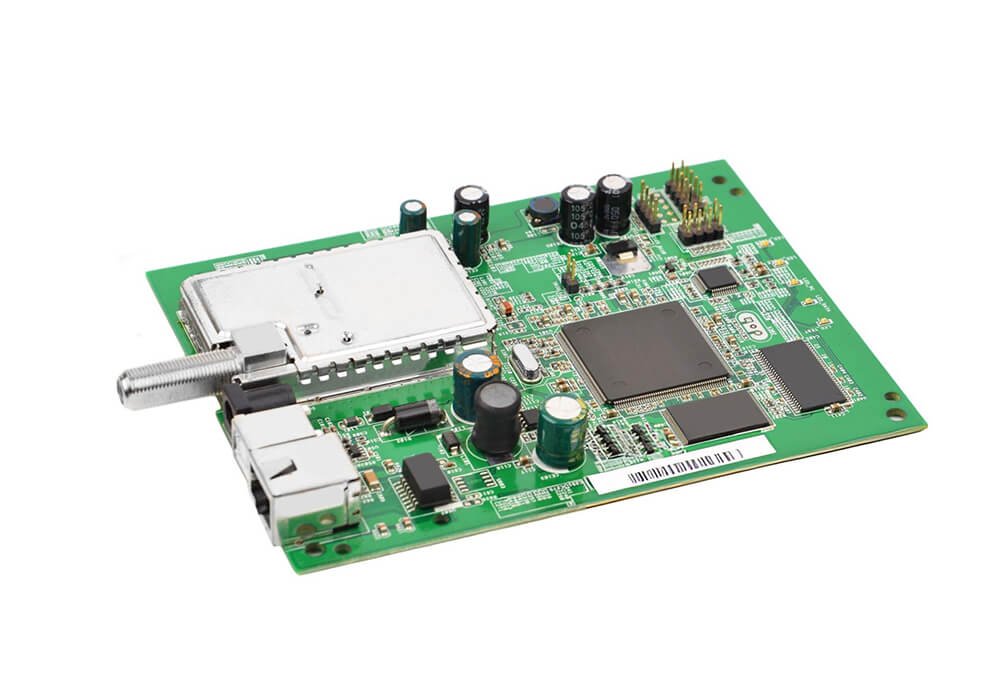
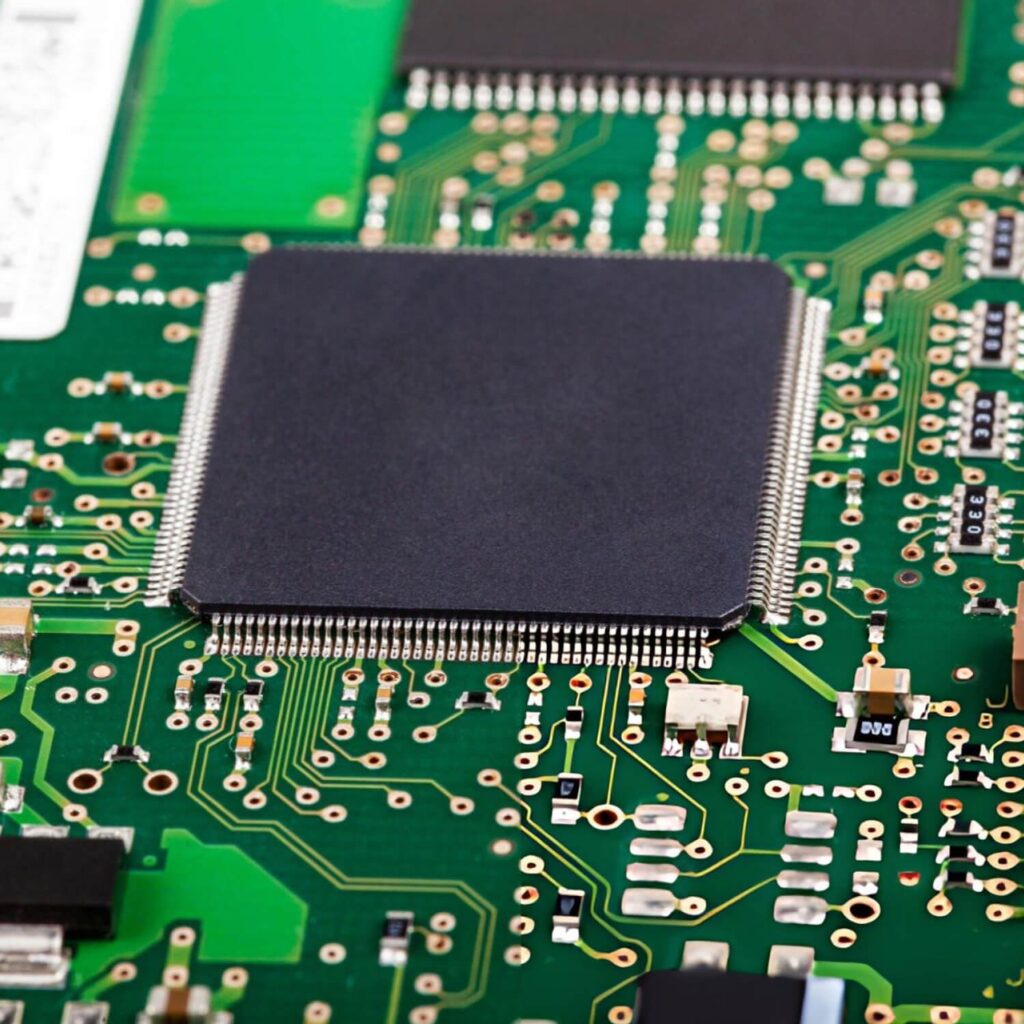
An IoT board can connect sensing, control and communication functions within a compact device. Specify the duty cycle, power budget, radio environment, field access and expected service life. These details shape the component choices, board layout, assembly process and useful functional tests.
IoT PCB
IoT PCB — Connected Device Control
IoT PCB — Sensor Interface
The WiFi Router PCB reference illustrates a network-focused assembly with processing, ports and antenna considerations. The IoT PCB reference illustrates a device board that combines local control or sensing with connectivity. Both images show board categories, not a promise that one layout suits your enclosure or network. Specify whether you need the network board, the end-device controller, or an integrated product; include the host interface and target quantity for each.
OEM / ODM scope
Build-to-print or product development
Board to assembly
Define the supply level for each project
Sample to production
Agree approval and release requirements
Certifications available
Request documents for the applicable site and scope
01 / ENGINEERING FOCUS
IoT Control PCB in a complete product
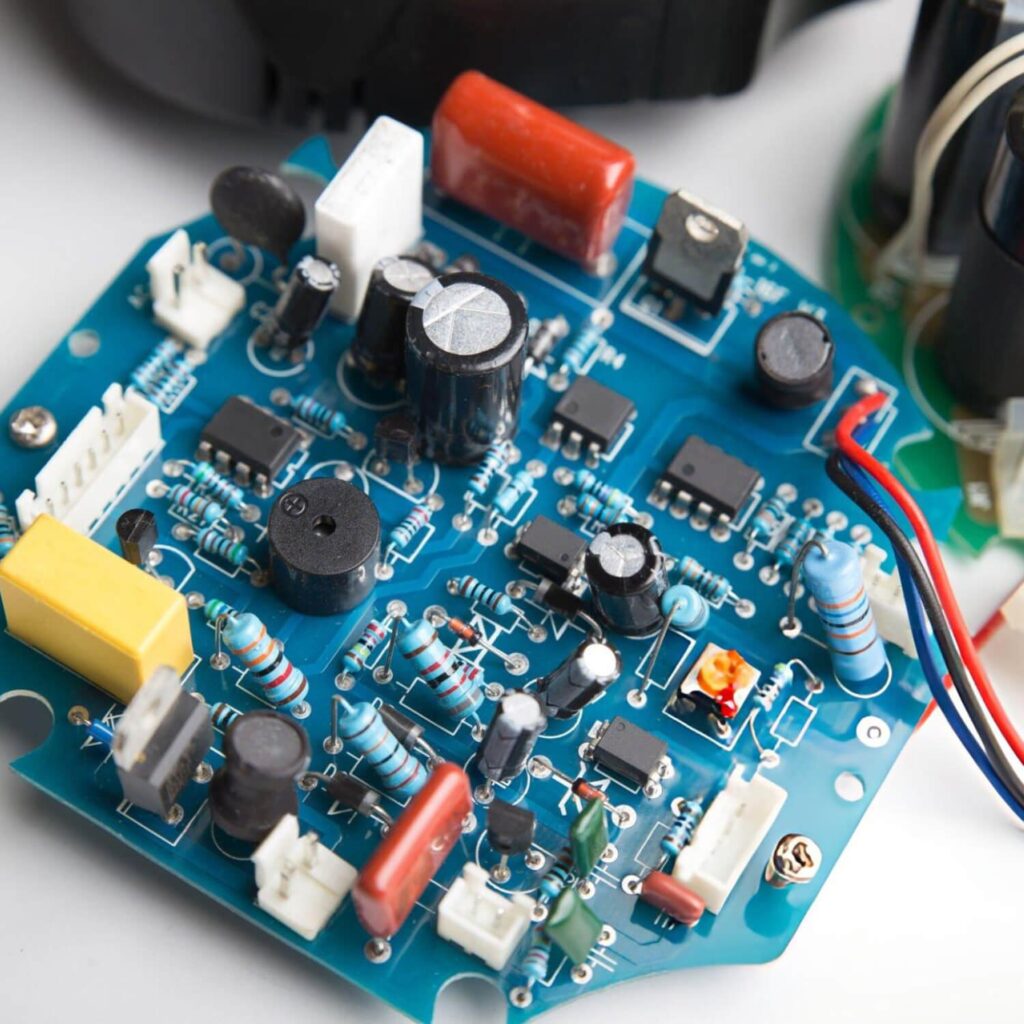
Connected products combine electronics with a communication path and a plan for configuration and servicing. An IoT control board discussion should identify the connected device’s function, network options, power source, antenna space, sensor or actuator interfaces and the information exchanged with other systems.
02 / ENGINEERING FOCUS
Connected-device configurations
An IoT product may be a sensor node, gateway, router, connected appliance controller or an interface board inside a larger machine. These products differ in power budget, network role and field access.
Connectivity and antenna planning
List the required WiFi, Bluetooth, wired or other links, the host equipment and the expected environment.
Local function and system boundary
Specify sensor inputs, actuator outputs, timing, storage, user controls and what must keep working offline.
Device identity and updates
Production may need to load firmware, assign serial numbers, write credentials or keys and verify the device configuration.
03 / ENGINEERING FOCUS
Engineering and integration decisions
XCC Technology can scope the electronics and production work from a connected-device brief or a released board package. The project plan identifies who owns firmware, provisioning and external services, while the sample and production checks address the functions included in our supply scope.
Connectivity: identify network technology, antenna space, expected range, interference and the equipment the device must connect to.
Device function: specify sensors, actuators, local controls, processor, storage and host interfaces.
Power and service life: provide supply, duty cycle, standby requirements and access for battery replacement or maintenance.
Firmware and provisioning: decide who develops code, loads credentials, manages updates and operates cloud or application services.
FROM SAMPLE TO SUPPLY
What your team can review before ordering
From connected prototype to a buildable device
The engineering package should connect the schematic and BOM to an antenna location, power budget, connector plan and firmware ownership. Define how devices receive identifiers, credentials and configuration, how failed provisioning is recovered, and what happens when the network or cloud service is unavailable.
Evidence purchasing and product teams can review
For supplier approval, identify the manufacturing entity and site, applicable quality certificates, material declarations, controlled BOM and assembly acceptance standard.
From prototype to shipped device
The first sample should demonstrate the local control function, expected network behavior, active and standby current, antenna performance in the intended housing, and firmware loading.
What determines cost and lead time
- Radio module and antenna choice, including availability and market requirements.
- Processing, memory, sensor and interface complexity.
- Firmware development or porting, credential handling and cloud integration scope.
- Enclosure, cables, labels and finished-product assembly.
What to send for a useful project discussion
- Device function and system diagram
- Network and host-interface requirements
- Power budget and duty cycle
- Enclosure, antenna and field environment
BEFORE YOU REQUEST A QUOTE
Frequently asked questions
Useful answers for engineering, sourcing and supplier qualification teams.
Is a WiFi router board automatically suitable for every IoT device?
No. A router has a particular network role and interface set. The device function, power budget and enclosure determine whether that architecture is appropriate.
Who handles firmware and cloud services?
Those responsibilities are agreed for each project. Identify any existing code, application or service and the handover or integration work you require.
How should an assembled device be tested?
Define the local board functions, communication path and configuration state to check. A production test should use the approved hardware and firmware revisions.
Can you build from our existing firmware and PCB files?
Send the released hardware package, firmware image or programming procedure, configuration rules and a reference unit. A transfer review can identify missing production information and agree how updates are approved.
Does using a certified radio module certify the finished device?
No. The final antenna, enclosure, integration and market determine the remaining assessment. Include your target markets and product compliance plan in the project brief.
Can we supply the app and cloud while XCC supplies the hardware?
Yes. Define the device protocol, provisioning sequence, firmware ownership, test endpoint and fault-reporting method. These interfaces can be included in the acceptance plan without placing cloud operation in the board supply scope.
What information is needed to quote a WiFi router board?
Provide the network role, processor or chipset constraints, wired ports, antenna plan, power and thermal limits, enclosure, firmware source, required tests and expected quantity. A reference unit can make the interface discussion faster.
NEXT STEP
Discuss the next build
Tell us whether you need a board assembly, an integrated subassembly or a finished electronic product. Include the intended application, current design stage, expected quantities and the decision you need to make next. For the wider use environment, see IoT Electronics; for the overall collaboration model, see OEM/ODM.