
OEM / ODM · PRODUCT SOLUTIONS
Cooling Fan Mainboard
Cooling fan control boards matched to the motor and equipment they serve.
A cooling fan mainboard coordinates motor power, speed commands, feedback and protection inside a larger assembly. Its electrical and mechanical requirements depend on the motor and the equipment it cools. XCC Technology can use your fan specification or sample to define the required board and assembly scope.
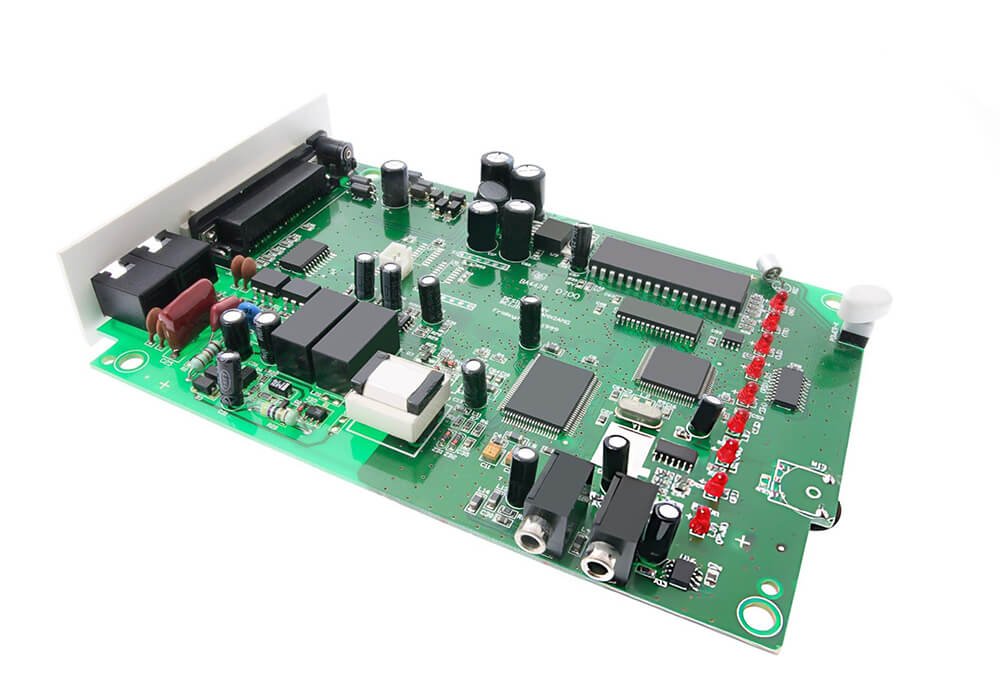
Product reference · OEM / ODM configuration
PRODUCT RANGE · 4 EXAMPLES
Cooling Fan Mainboard Product Examples
Browse product boards and subassemblies from the existing page catalogue. Product images are category references; the approved drawing, BOM, configuration and acceptance criteria define each customer build.
01 / PRODUCT FAMILY
Cooling Fan Mainboard Examples
Board, 3D assembly and component-layout references make the control electronics easier for the product team to discuss. Final motor drive, control interface, protection behavior and mechanical fit follow the approved fan assembly brief.
Cooling Fan Mainboard PCB
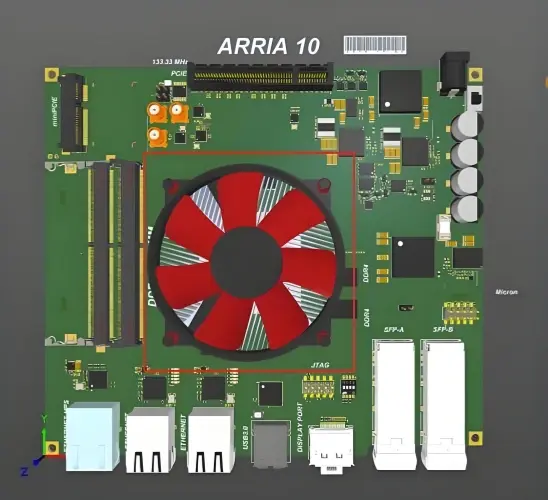
Cooling Fan PCB — 3D Assembly View
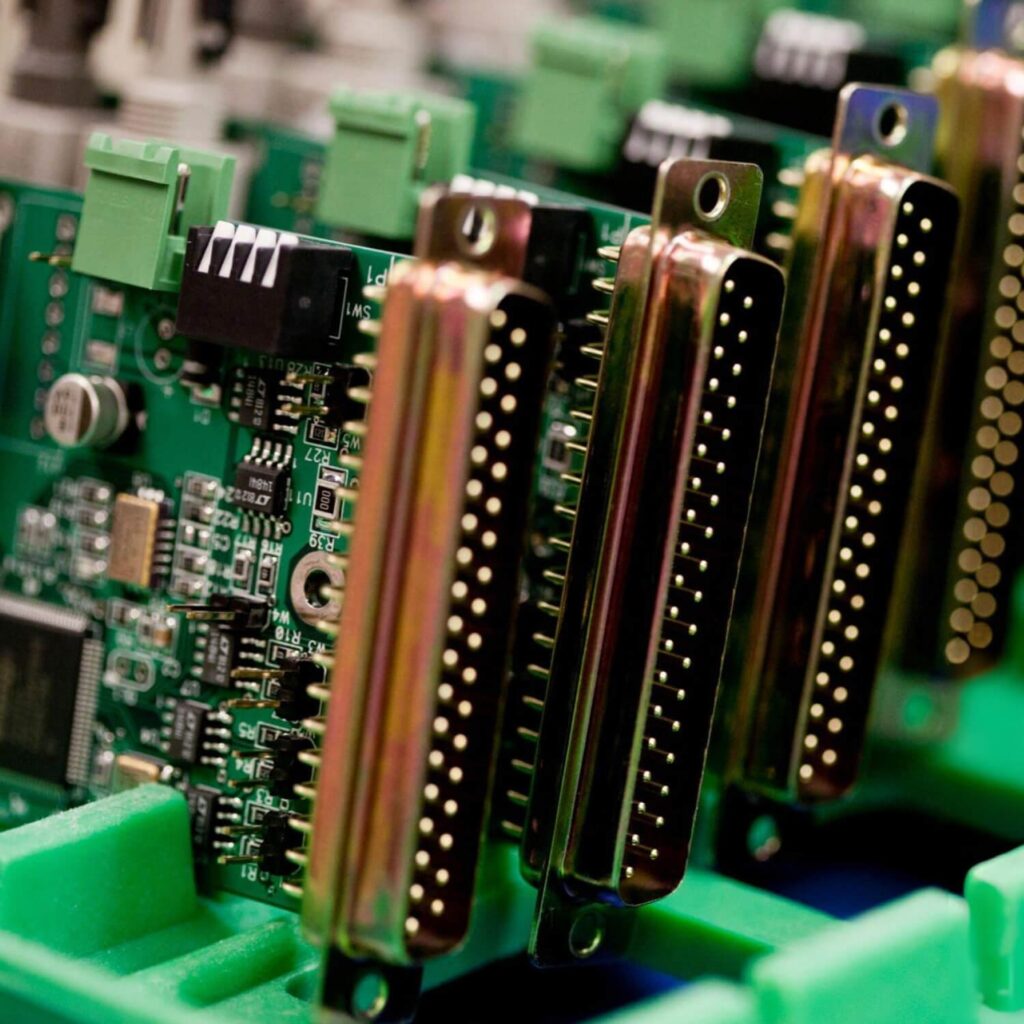
Motor Control PCB — Feature Reference
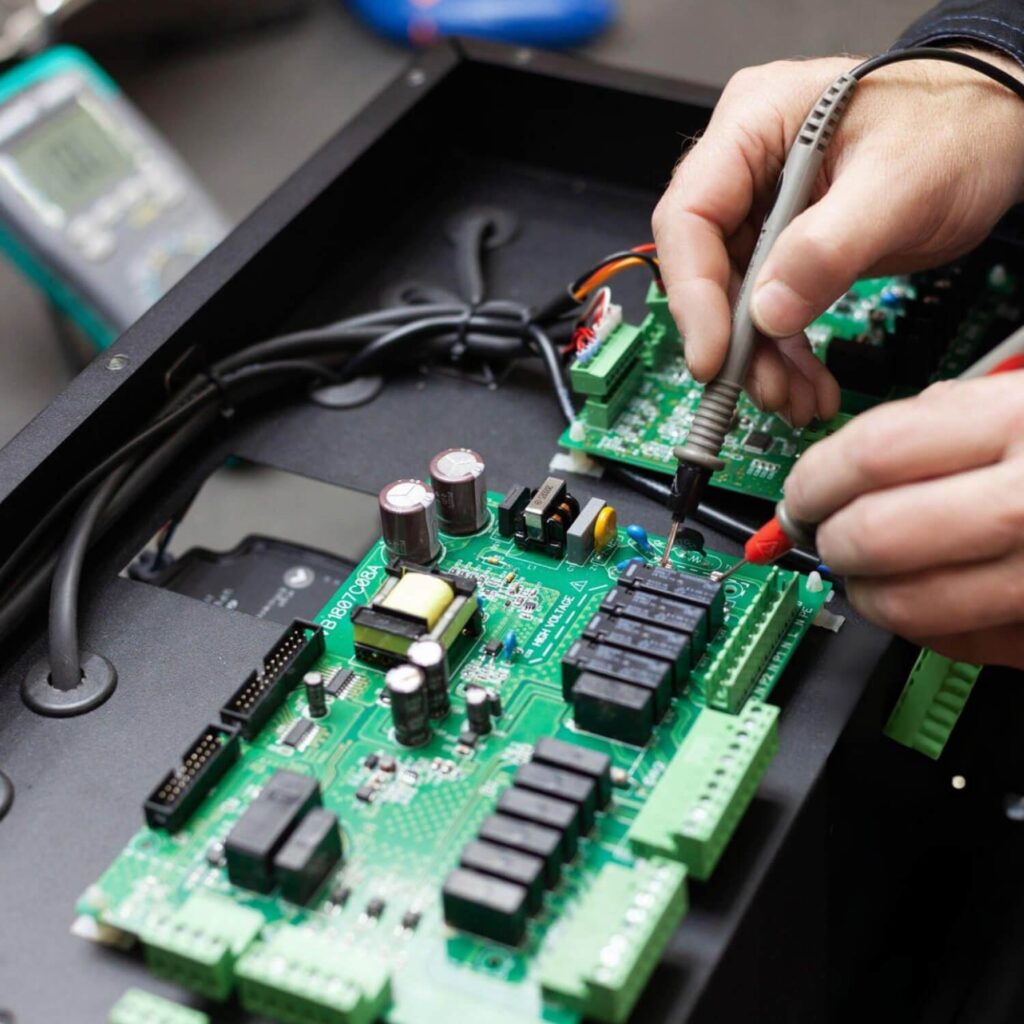
Motor Control PCB — Component Layout
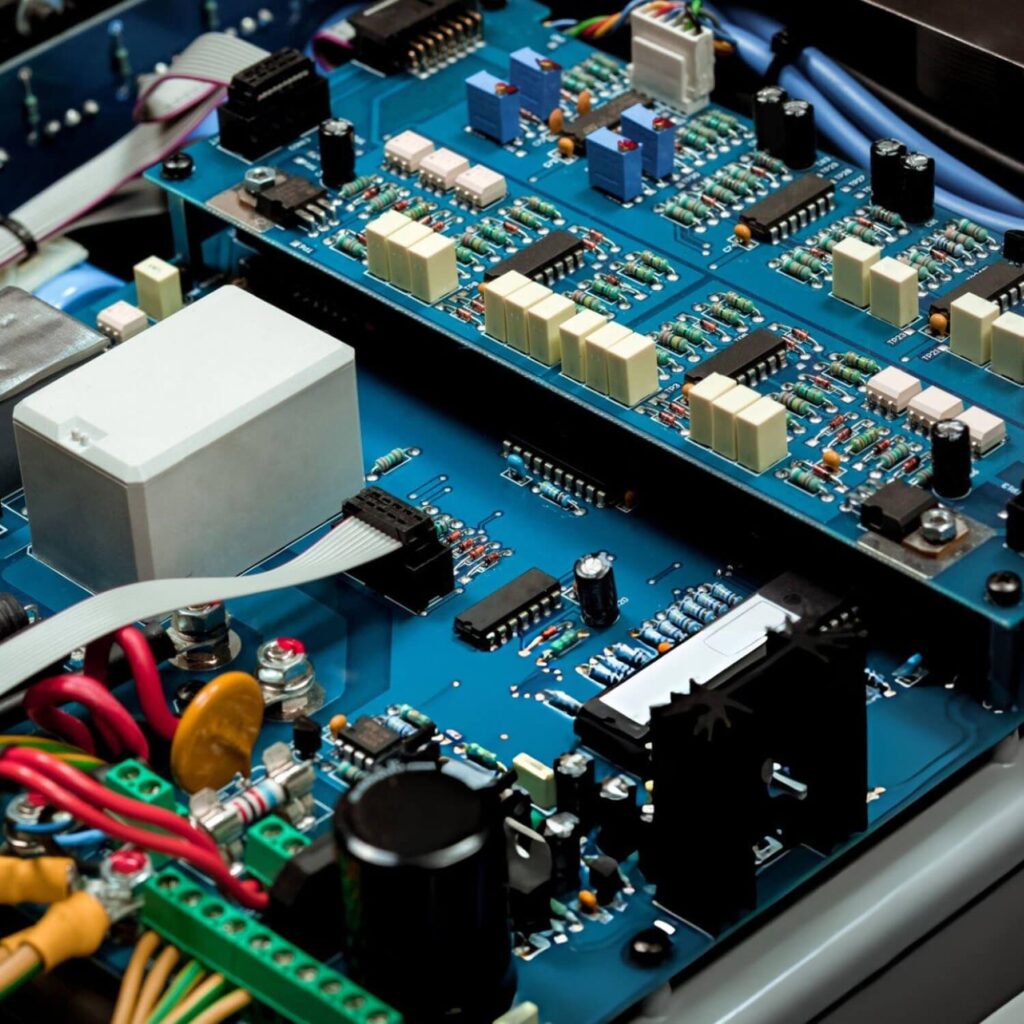
The displayed board is a concept image for discussing component placement and connection points. A commissioned controller may support a single fan, multiple fans or a fan integrated into a larger equipment control system. The application defines whether the board needs a speed command, tachometer feedback, temperature input, alarm output or local user control. The pictured layout and connector count are not fixed product specifications.
Common configurations: Single-fan controlMulti-fan controlEquipment-integrated control
OEM / ODM scope
Build-to-print or product development
Board to assembly
Define the supply level for each project
Sample to production
Agree approval and release requirements
Certifications available
Request documents for the applicable site and scope
01 / ENGINEERING FOCUS
Cooling Fan Mainboard in a complete product
A fan mainboard coordinates power, speed control, sensing and connections in a cooling assembly. The right board depends on the fan motor, available supply, control method, enclosure and operating environment. Start with a fan specification or sample, desired speed range, noise targets, control signals and any protection or feedback requirements.
02 / ENGINEERING FOCUS
Fan-control configurations for different products
A cooling fan mainboard may sit inside an appliance, equipment cabinet, power system or ventilation product. The motor and host equipment determine whether the board simply powers a fan or also regulates speed, supervises temperature and reports faults.
Motor and drive selection
Identify the motor as supplied rather than assuming every fan uses the same drive.
Commands, feedback and alarms
The host may request a fixed speed, a PWM-controlled range or temperature-based operation.
Mechanical and acoustic integration
A board that works on the bench may perform differently when installed near the fan, heatsink and cable harness.
03 / ENGINEERING FOCUS
Engineering and integration decisions
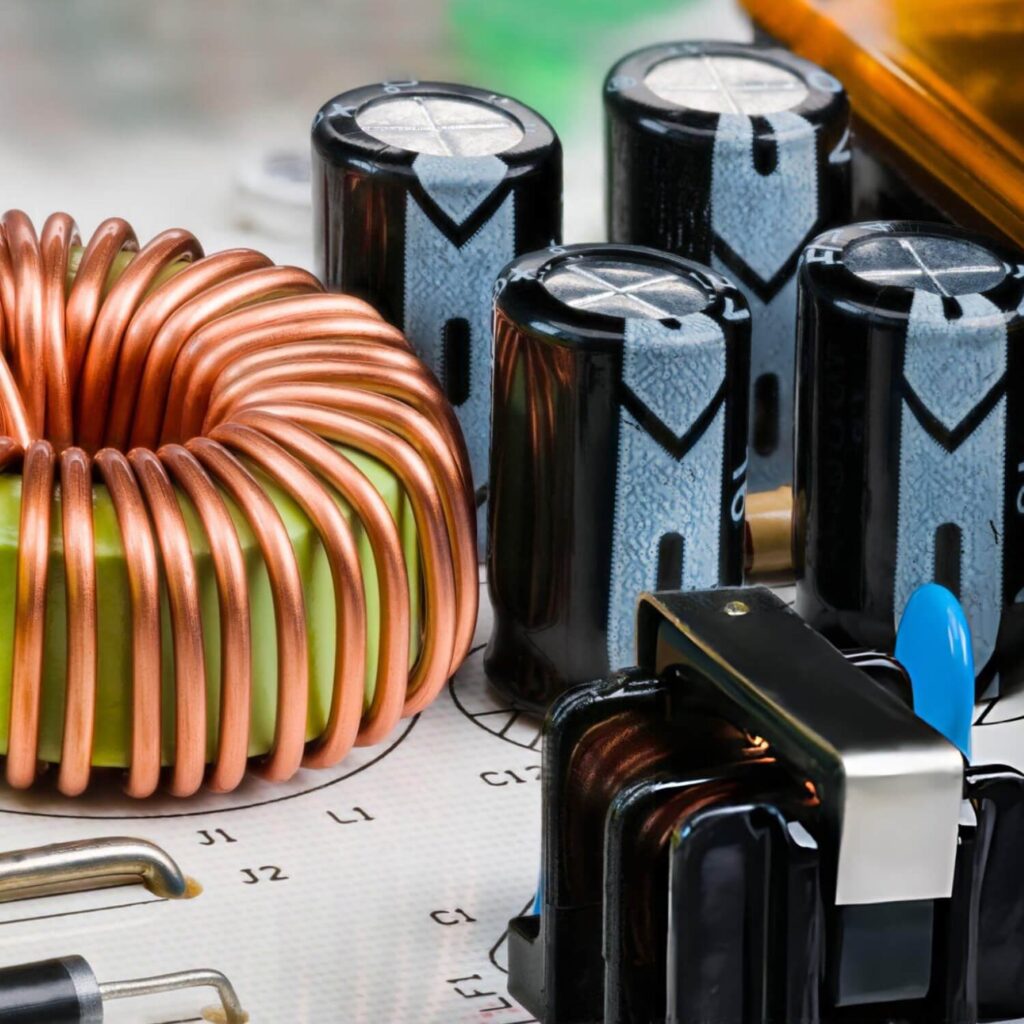
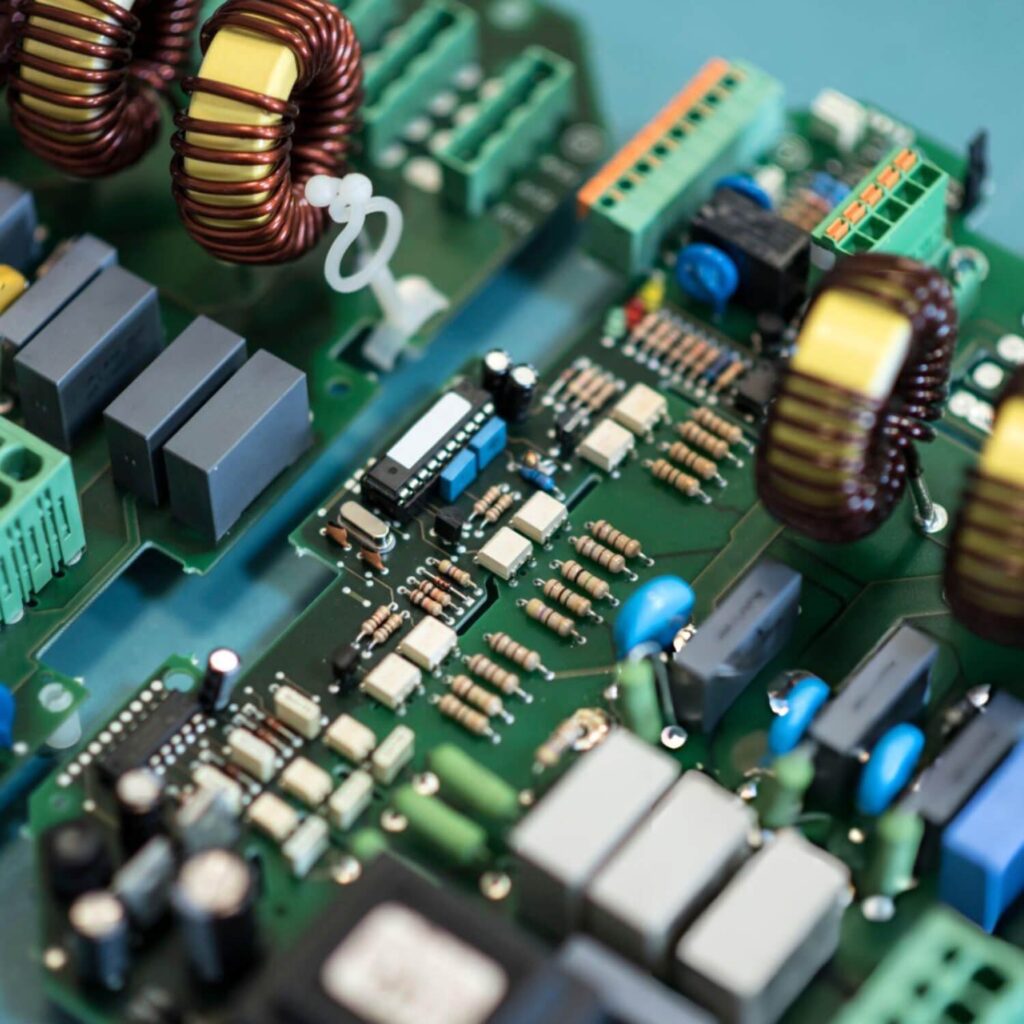
XCC Technology can define a controller project around your motor, supply, housing and required control behavior. The scope separates design work from manufacturing and identifies the sample to approve. Repeat builds then use that approved configuration and its functional test method.
Motor and power: identify motor type, rated supply, start-up demand, speed range and any reverse, stall or restart behavior.
Control and feedback: define the command signal, tachometer or sensor inputs, user controls and expected response to loss of a signal.
Acoustics and heat: explain noise priorities, airflow target, ambient conditions and how heat leaves the control electronics.
Connections and installation: give cable lengths, connectors, board mounting, available space and service access.
FROM SAMPLE TO SUPPLY
What your team can review before ordering
What the buyer receives at each stage
An initial review should identify the motor type, fan curve or reference fan, supply range, startup current, speed command and feedback behavior. If you have an existing board, provide its design package and the issue to fix. If development is required, agree the controller functions and sample acceptance before schematic and layout work.
How we prepare a comparable OEM/ODM quotation
For an OEM transfer, send the existing Gerbers, BOM, wiring diagram, firmware or settings and a working fan assembly. For ODM development, describe the cooling objective, motor candidate, equipment interface, target cost and envelope. The proposal should make engineering, fixture and one-time setup costs visible separately from board or module unit price.
Purchasing, quality and supplier documents
A quote should separate any design or fixture work from unit supply and state assumptions about customer-supplied fans, cables and housings. Provide sample quantity, order forecast and any alternate component restrictions.
What to send for a useful project discussion
- Fan or motor datasheet and reference sample
- Supply and control signals
- Speed, airflow and noise targets
- Enclosure drawing, mounting and cables
BEFORE YOU REQUEST A QUOTE
Frequently asked questions
Useful answers for engineering, sourcing and supplier qualification teams.
Can you evaluate an existing fan assembly?
A working sample helps show motor behavior, wiring and physical fit. Share its known limitations and the change you want; the evaluation scope can then be defined.
Is the image an XCC production board?
No. It is a generic concept illustration to help discuss connectors and component relationships. The actual board design follows the project specification.
What determines the test plan?
The motor, controller functions and failure behavior determine useful checks. Agree the measured speed range, response limits and test equipment for the particular assembly.
Can the mainboard be matched to our existing fan and housing?
Yes, begin with a fan sample or datasheet, connector pinout and enclosure drawing. The review can then establish fit, electrical compatibility and the functions to verify on an assembled sample.
Is a prototype ready for production once it runs the motor?
Motor operation is one milestone. Production also needs an approved BOM, firmware or settings, assembly information, acceptance limits, test access and a change process for the fan and controller revisions.
Can one controller support several fan models?
It may be possible within a defined electrical and firmware range. Each fan’s startup demand, speed feedback, connector and fault behavior must be evaluated; the approved model list should be part of the production specification.
What affects the quotation most?
The motor interface, number of fans, control and alarm functions, board size, custom wiring, firmware work, test fixture and delivery level all affect cost. A fan sample and annual forecast make the first quotation more useful.
NEXT STEP
Discuss the next build
Tell us whether you need a board assembly, an integrated subassembly or a finished electronic product. Include the intended application, current design stage, expected quantities and the decision you need to make next. For the wider use environment, see Industrial Control Electronics; for the overall collaboration model, see OEM/ODM.