
OEM / ODM · PRODUCT SOLUTIONS
LED Control PCB
Custom LED boards and controls, planned for the finished lighting product.
A lighting PCB has to support the intended light output while fitting the enclosure and providing a credible path for heat to leave the LEDs. The control method, power source and installation conditions determine which questions to resolve before board layout or production planning.
Product reference · OEM / ODM configuration
PRODUCT RANGE · 4 EXAMPLES
LED Control PCB Product Examples
Browse product boards and subassemblies from the existing page catalogue. Product images are category references; the approved drawing, BOM, configuration and acceptance criteria define each customer build.
01 / PRODUCT FAMILY
LED Board Constructions
Explore LED board constructions and related assemblies. The board outline, LED arrangement, driver and thermal path are defined for the finished lighting product.
LED PCB
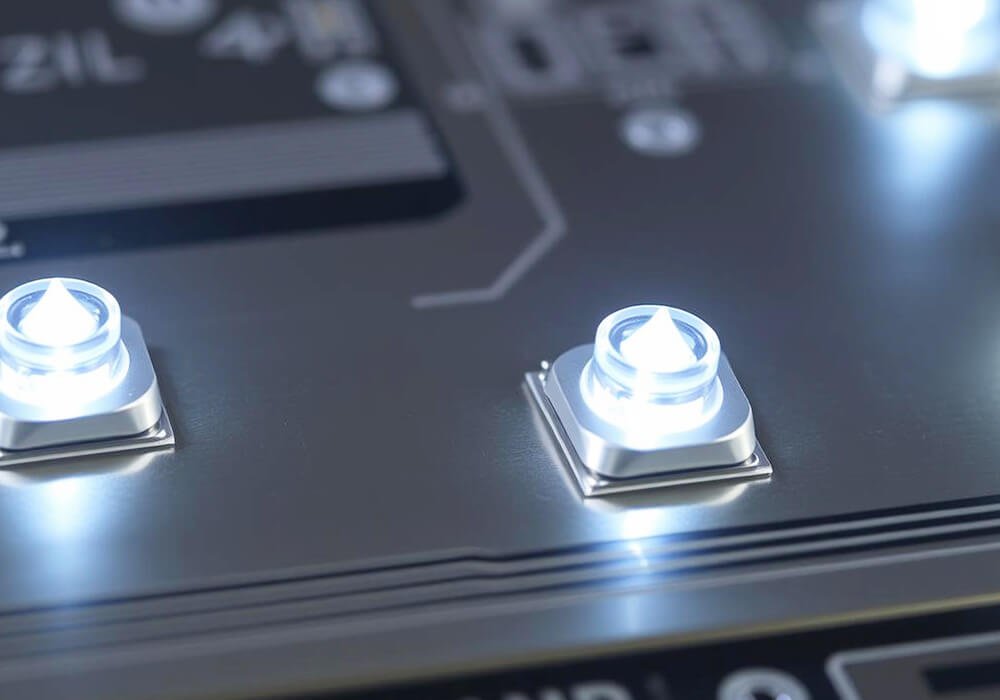
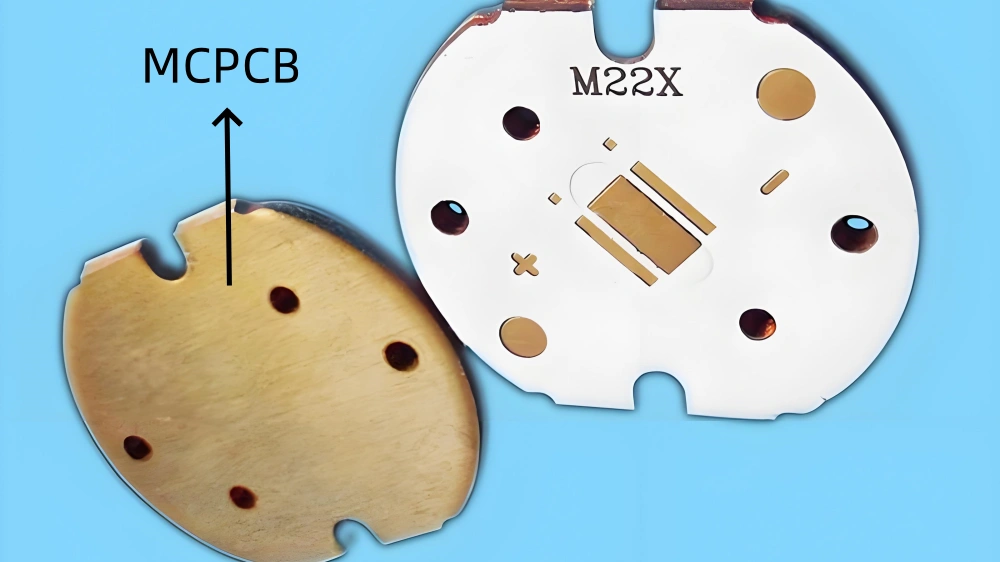
Metal-Core LED PCB
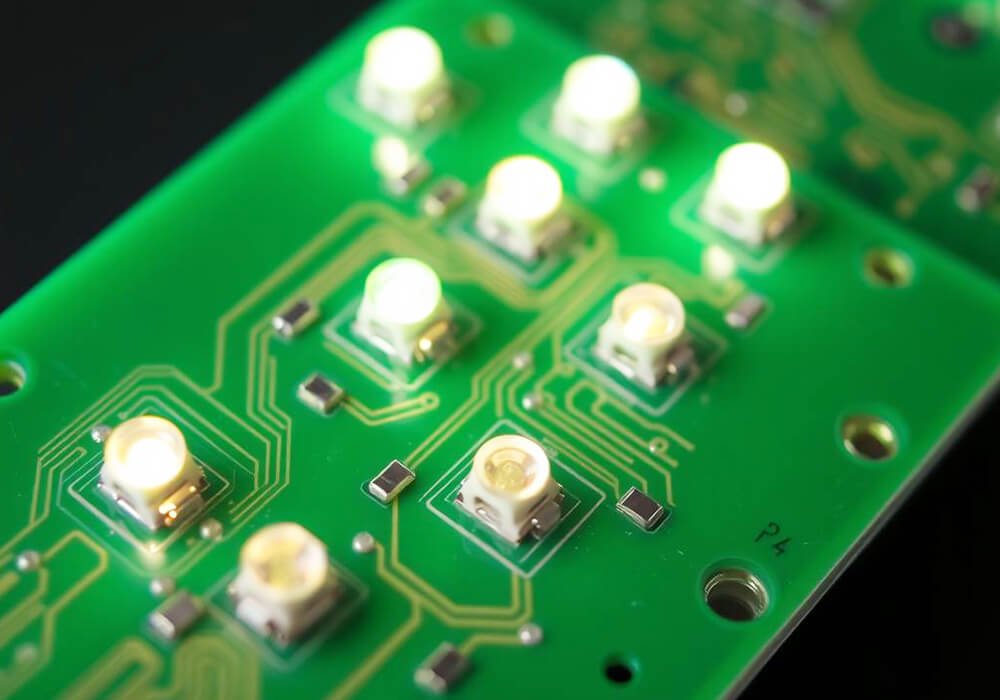
FR-4 LED PCB
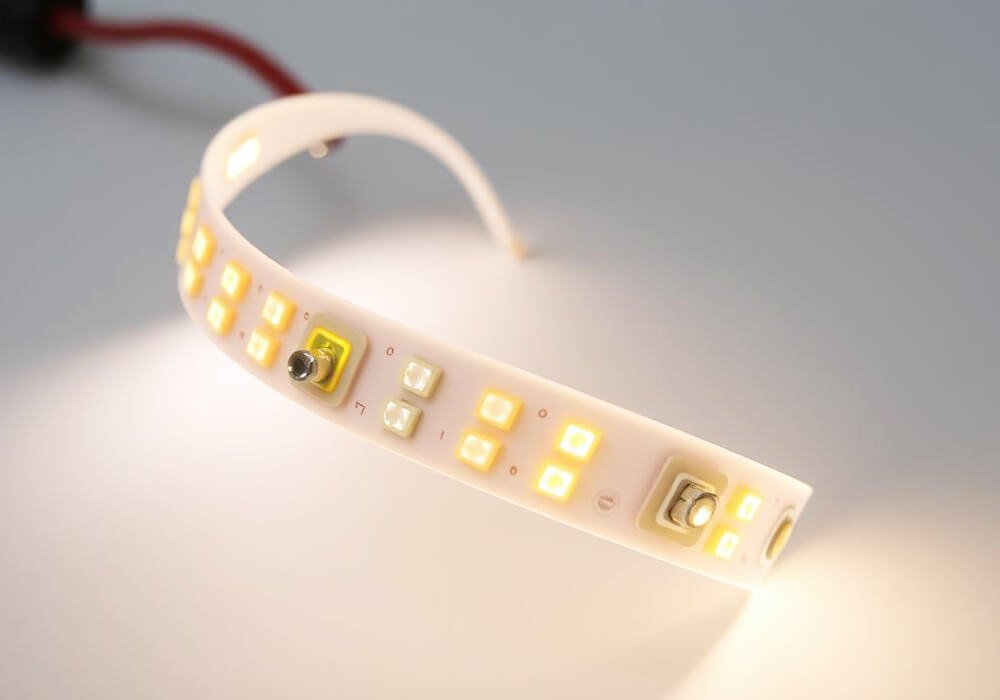
Flexible LED PCB
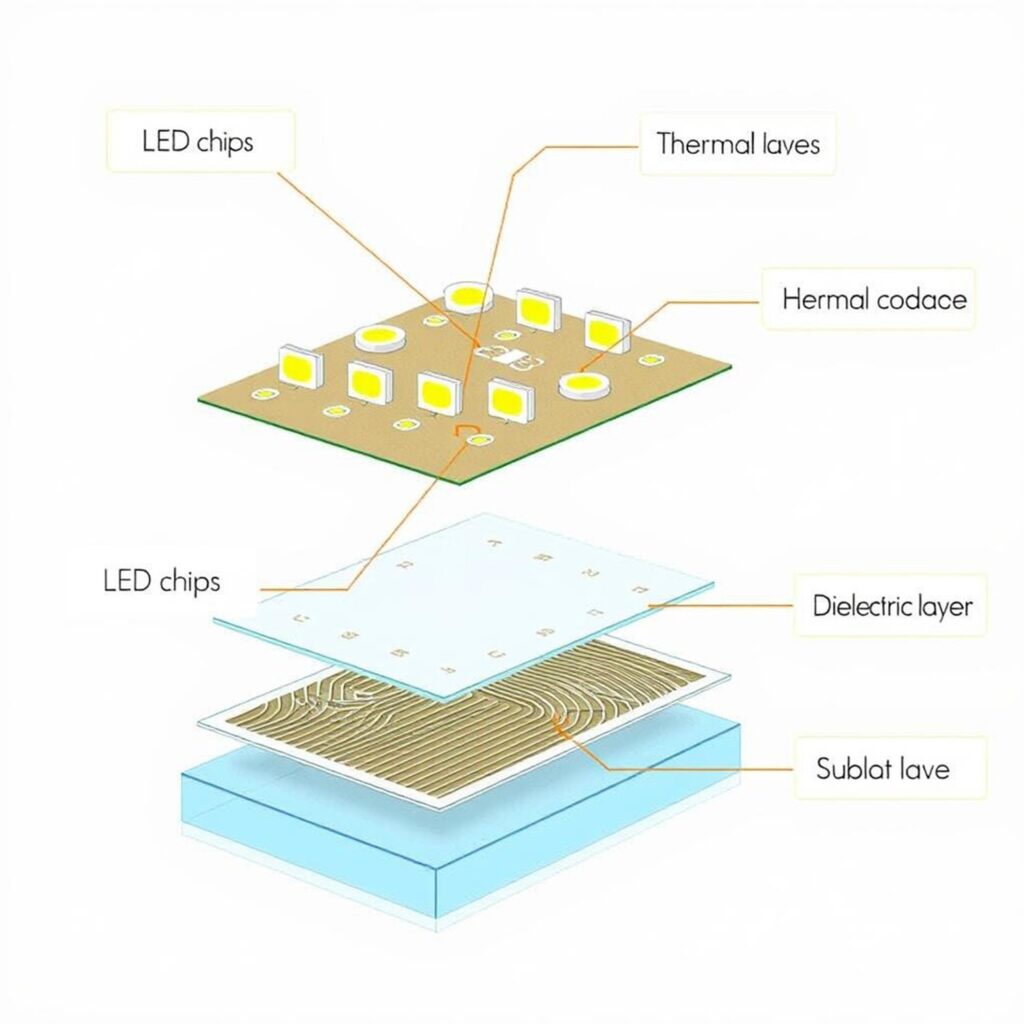
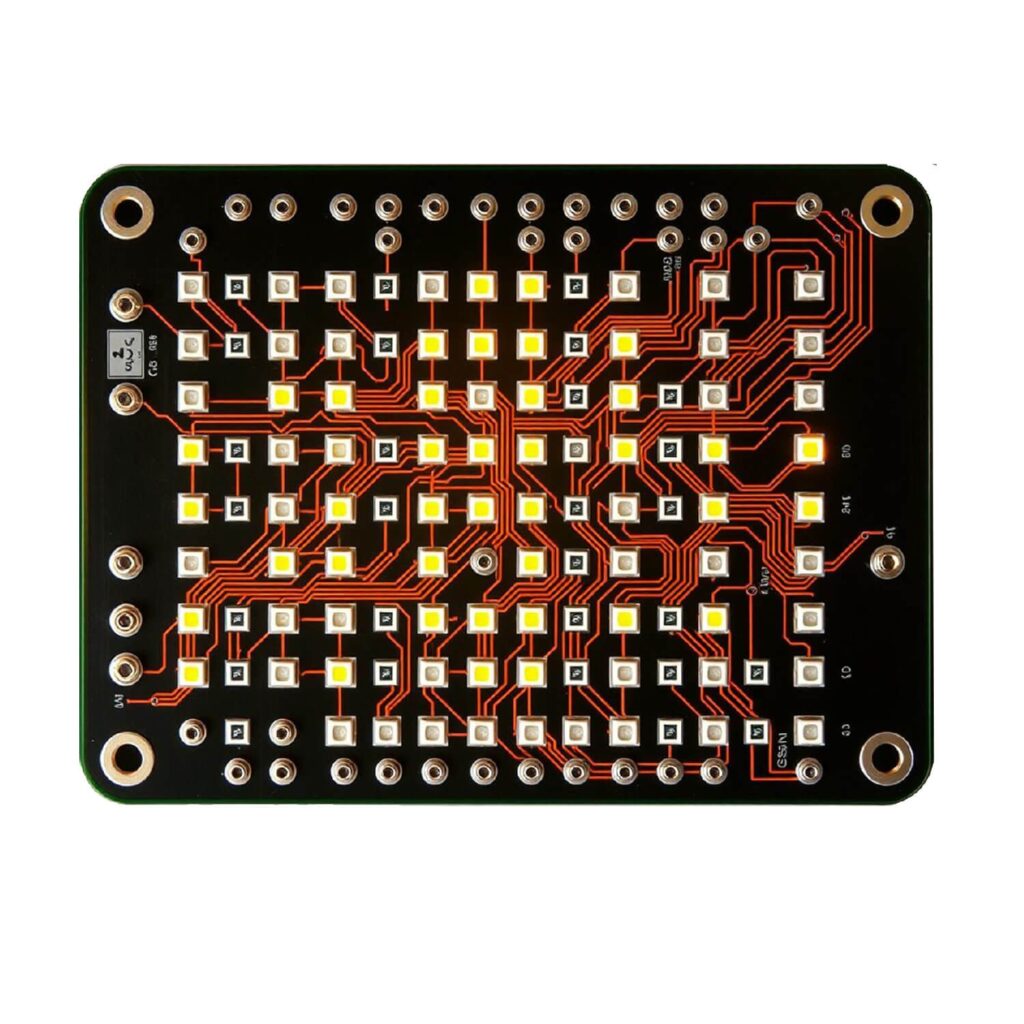
The LED PCB image on this page is a concept illustration of the board category. A customer build may be a linear light engine, circular module, compact indicator board or a separate control and driver assembly. The finished layout, LED packages and connectors follow your approved specification. To compare options, send the intended light distribution, board shape, LED arrangement and the surface that carries heat away.
Common configurations: Linear / strip boardsPanel light enginesCircular modulesCompact indicator boardsDriver and control assemblies
OEM / ODM scope
Build-to-print or product development
Board to assembly
Define the supply level for each project
Sample to production
Agree approval and release requirements
Certifications available
Request documents for the applicable site and scope
01 / ENGINEERING FOCUS
LED Control PCB in a complete product
An LED control board links the lighting function to its power source, control input and physical installation. Its design review should consider current regulation, dimming behavior, thermal paths, connector placement and the conditions in which the lighting unit operates.
02 / ENGINEERING FOCUS
Lighting product formats we can scope
Different products put different demands on the same LED board. A compact indicator or decorative light may prioritise space, colour appearance and simple wiring. A linear or panel light needs uniform output across a larger emitting area. Outdoor or enclosed equipment may place more weight on thermal transfer, moisture exposure and service access.
Light engine and driver arrangement
Choose whether the LED board carries only emitters or also carries sensing and control components.
Dimming and connected control
The control brief should state whether the product uses a local switch, analogue level, PWM input or a connected command from another controller.
Board material and mechanical fit
FR-4, metal-core or flexible board construction may be considered according to heat flow, shape and assembly constraints.
03 / ENGINEERING FOCUS
Engineering and integration decisions
XCC Technology can scope the lighting electronics from a new concept or an existing design package. The project plan separates engineering, board assembly and product integration, then defines the sample configuration and approval points. This gives purchasing and engineering one agreed revision to evaluate before repeat builds.
Light output and control: define the LED arrangement, dimming method, startup behavior and the relationship between the driver and control board.
Thermal path: identify board material, mounting surface, heat sink or housing contact, and the operating temperature conditions that the finished product must handle.
Mechanical integration: provide board outline, mounting holes, connector locations, optical clearances and access for assembly or service.
Verification: agree how current, light behavior, temperature and basic function will be checked on samples and production units.
FROM SAMPLE TO SUPPLY
What your team can review before ordering
From sample to repeat orders
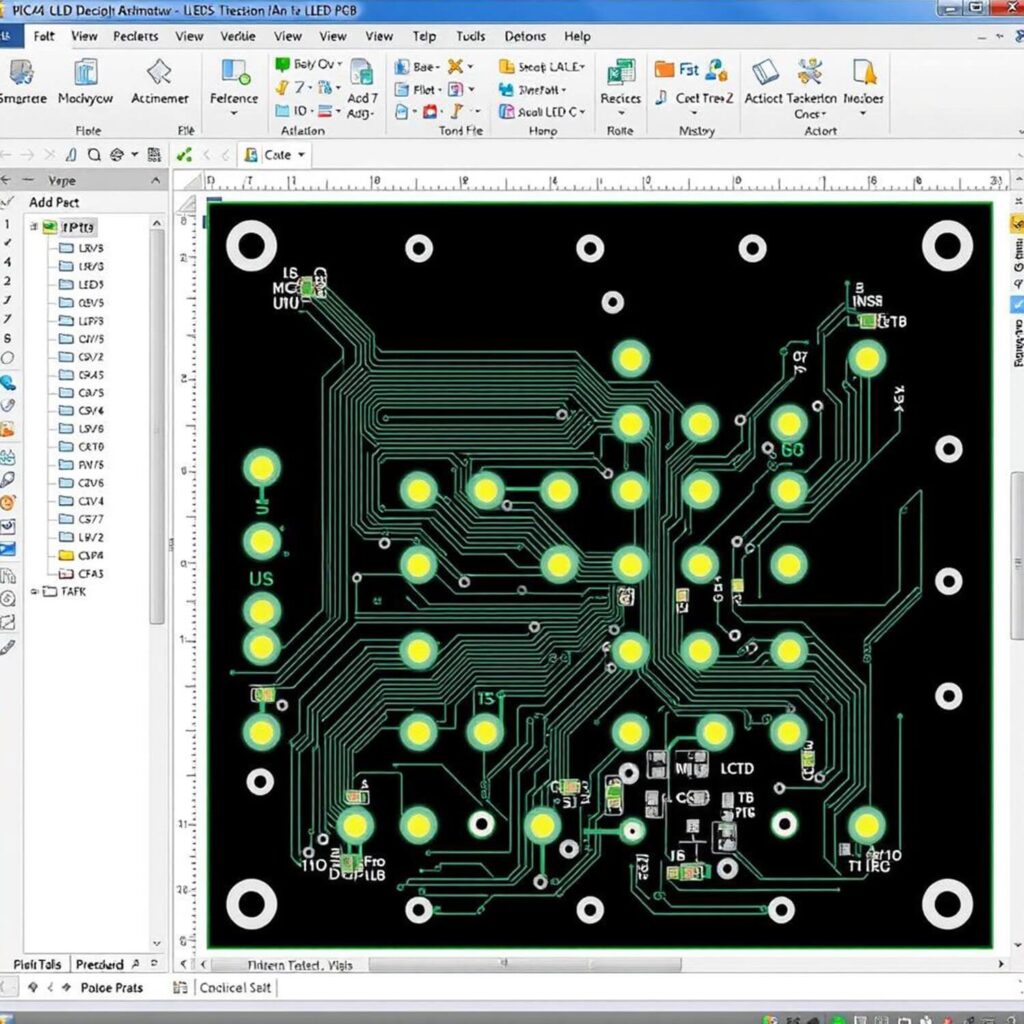
For an existing design, a build review should check Gerber or CAD files, BOM, assembly drawing, LED binning requirements, firmware or dimming configuration, and the reference sample. For a new design, the first sample should answer defined questions about light output, flicker or dimming behavior, temperature, fit and assembly access.
Supply options and commercial decisions
An OEM order may start from your released Gerbers and BOM; an ODM discussion may begin with light output, appearance and installation goals. Either way, the quote should identify what XCC is supplying: bare board, PCBA, LED module, driver/control assembly or packed lighting unit.
Quality evidence for a lighting buyer
Ask for the supplier qualification documents your purchasing team needs alongside the product quotation. The review can identify the manufacturing site and applicable quality certificates, material declarations such as RoHS or REACH where required, assembly acceptance criteria, and the inspection or functional test record for your build.
What to send for a useful project discussion
- Target light output or reference luminaire
- Supply and control interface
- Board outline, mounting and optical constraints
- Operating environment and target market
BEFORE YOU REQUEST A QUOTE
Frequently asked questions
Useful answers for engineering, sourcing and supplier qualification teams.
Is an LED PCB the same as a complete lighting product?
No. The PCB carries the emitters and connections; the product may also need a driver, controls, optics, enclosure, thermal interface and a defined test method. State which part of that system you want supplied.
What if the board shape is already fixed?
Send the outline, mounting details and available thermal path. The design review can then assess LED placement, connectors and assembly access within those constraints.
Can you work from a reference light or a prototype?
A reference or prototype can explain the intended result. The project still needs an agreed electrical, optical, mechanical and acceptance specification before production.
Can you quote a board assembly and a finished light separately?
Yes. Describe both delivery levels and the parts you will supply. The scope can separate PCB and component costs from optics, housing, wiring, assembly, programming, testing and packaging so purchasing can compare the options.
Which certification documents should our purchasing team request?
Send your target market and vendor approval checklist. The relevant company certificates, their scope and validity, material declarations and product test evidence should be matched to the actual manufacturing site and the item being purchased.
Is there a fixed minimum order quantity or lead time?
The practical quantity and schedule depend on the board construction, approved LEDs and drivers, tooling, test scope and packaging. Share sample quantity and forecast demand so the quote can distinguish prototype work from repeat production.
Can the same board be used in several luminaires?
Possibly, if the electrical supply, thermal interface, optical alignment and mechanical fit remain within the validated limits. Each housing and operating condition still needs review before the board is released as a product variant.
NEXT STEP
Discuss the next build
Tell us whether you need a board assembly, an integrated subassembly or a finished electronic product. Include the intended application, current design stage, expected quantities and the decision you need to make next. For the wider use environment, see Lighting Systems; for the overall collaboration model, see OEM/ODM.