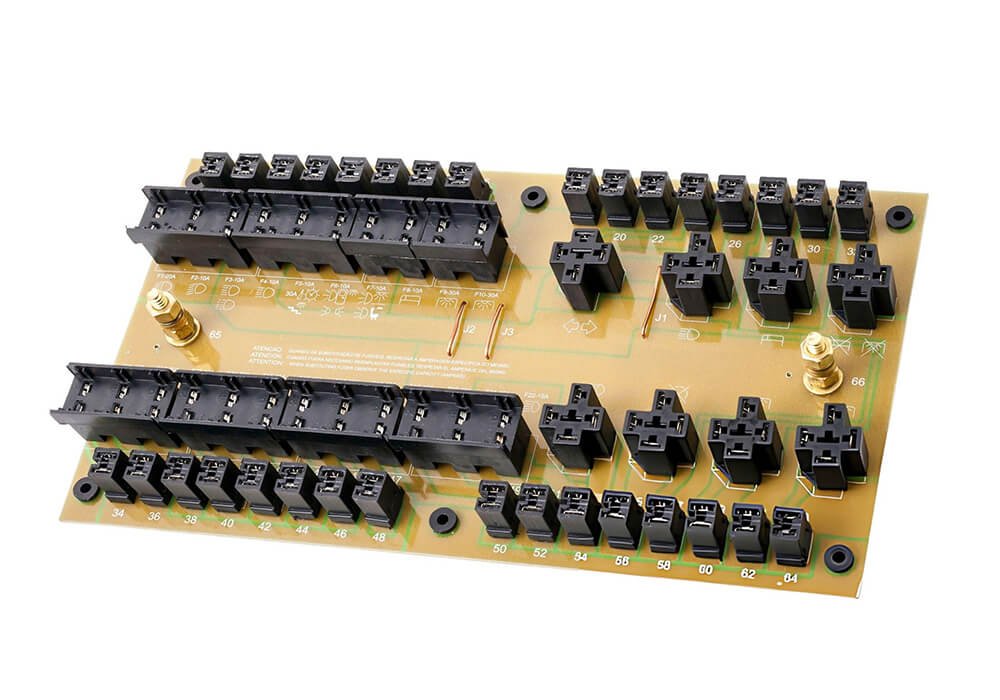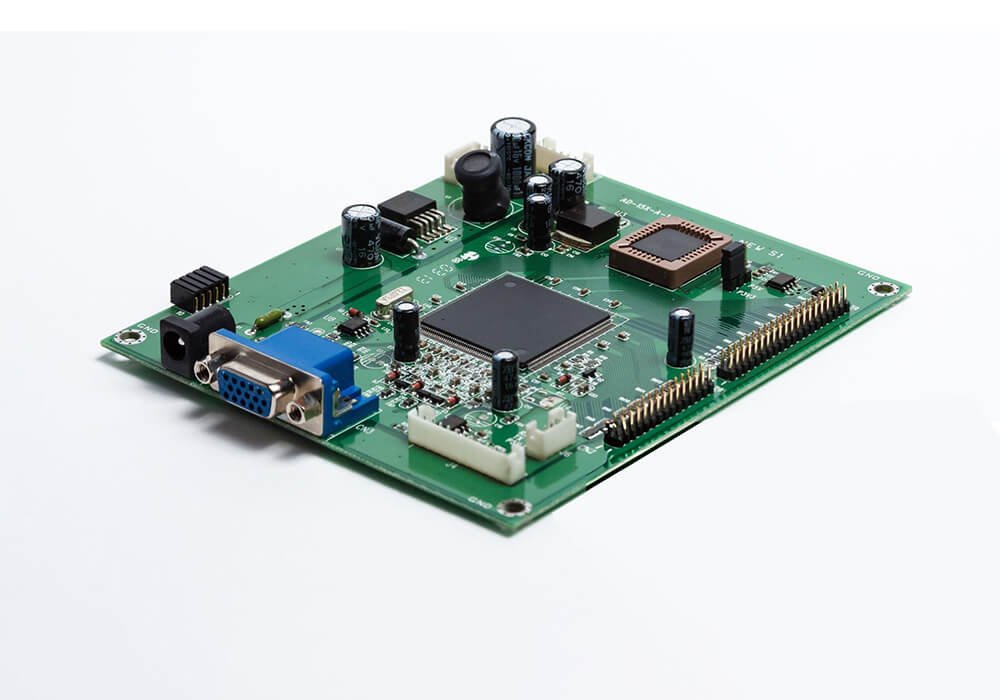
Vehicle-related electronics need a defined installation and operating brief.
An automotive requirement should identify more than the vehicle category. Where the product is installed, how it receives power, what it communicates with and what happens when conditions change all influence the work and evidence required.
Discuss your electronic product requirement with XCC Technology. Explain the intended use, the role of the electronics and your supplier qualification requirements so the requested OEM/ODM scope can be assessed.
Identify the product's role
A vehicle-integrated component, an aftermarket accessory and equipment used around a vehicle can have different interfaces, approval paths and supplier requirements. State which context applies to your product and whether its function affects vehicle operation or a safety-related system.
Describe the delivery level you need: electronics, a subassembly or a finished unit. Identify the product owner, system integrator and customer specifications governing the requested work. The application name alone does not establish that a particular automotive program or component category can be accepted.
If your product is equipment used in a workshop or a wider control system, Industrial Control Electronics may also help frame its equipment interfaces. Choose the page according to the product's actual use, rather than its sales category alone.
Support organized around the required assembly
Electronics development and adaptation
We connect the installation brief with the hardware, embedded behavior and interfaces included in the requested work. Development may address a new electronic assembly or an adaptation of an existing design. The scope identifies the functions to implement, the customer specifications that govern them and the host-system information needed for review.
For a modification, the current configuration and the required compatibility are established first. Your engineering team can then assess the proposed change against the operating conditions and evaluation requirements that apply to the product.
Samples and integration review
An evaluation build brings together the electronics and the mounting, harness or host interfaces included in the project. The review identifies the version, required behavior, customer test arrangement and open issues before a production release is proposed.
Where specialist environmental, electrical or system evaluations are needed, their responsibility and results are included in the approval plan. Supplier qualifications and any safety-related role are assessed separately against the specific program requirements.
Manufacturing preparation and delivery
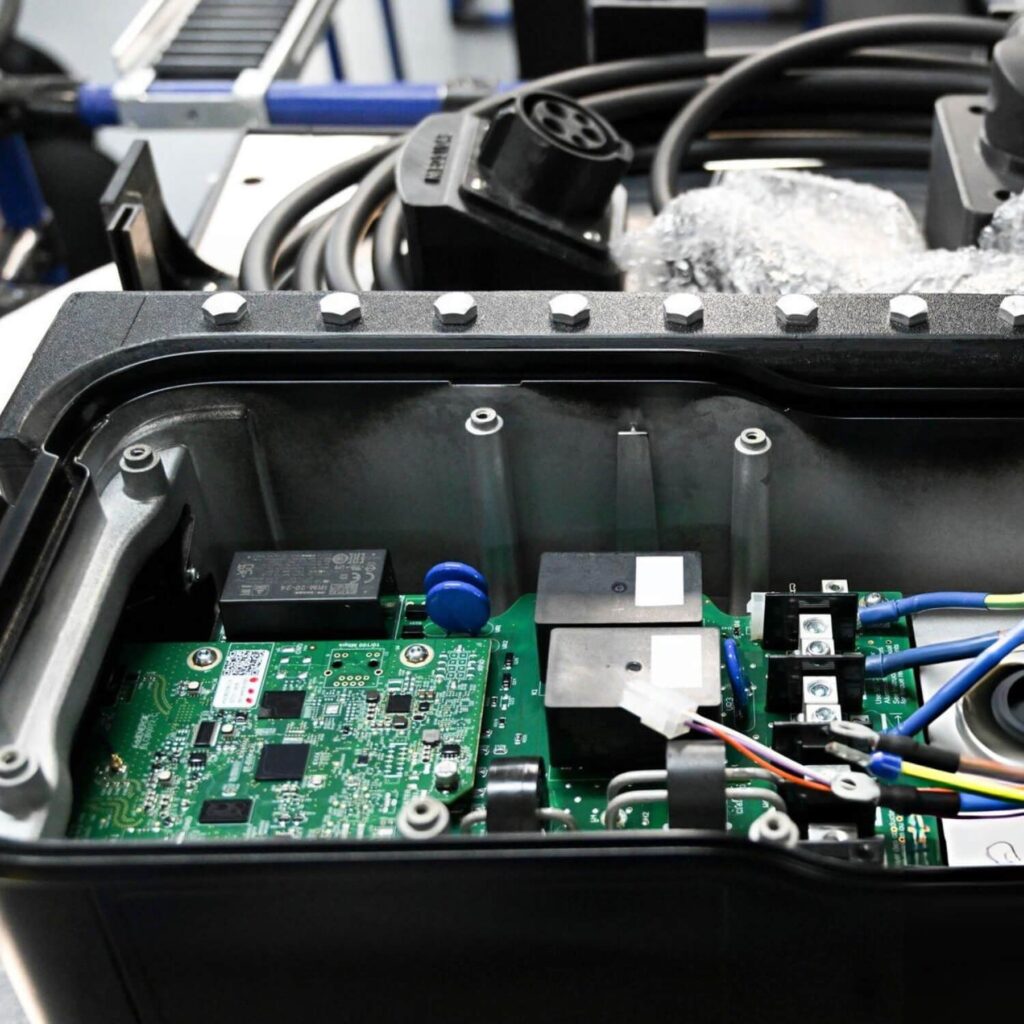
Manufacturing work uses the approved design, materials, software and assembly information as its baseline. Programming, configuration, unit identification and release checks are included at the level agreed for the order. A finished assembly also needs the approved housing, harness, labels and packing definition where those items are in scope.
The delivery package can include the commissioned design information, approved samples, build configuration and specified production records. We agree which items purchasing will receive, which records engineering or quality will review and how proposed changes enter the customer's approval process. This makes the requested electronic assembly and its documentation one defined supply scope.
Bring installation conditions into the specification
Mounting and environment
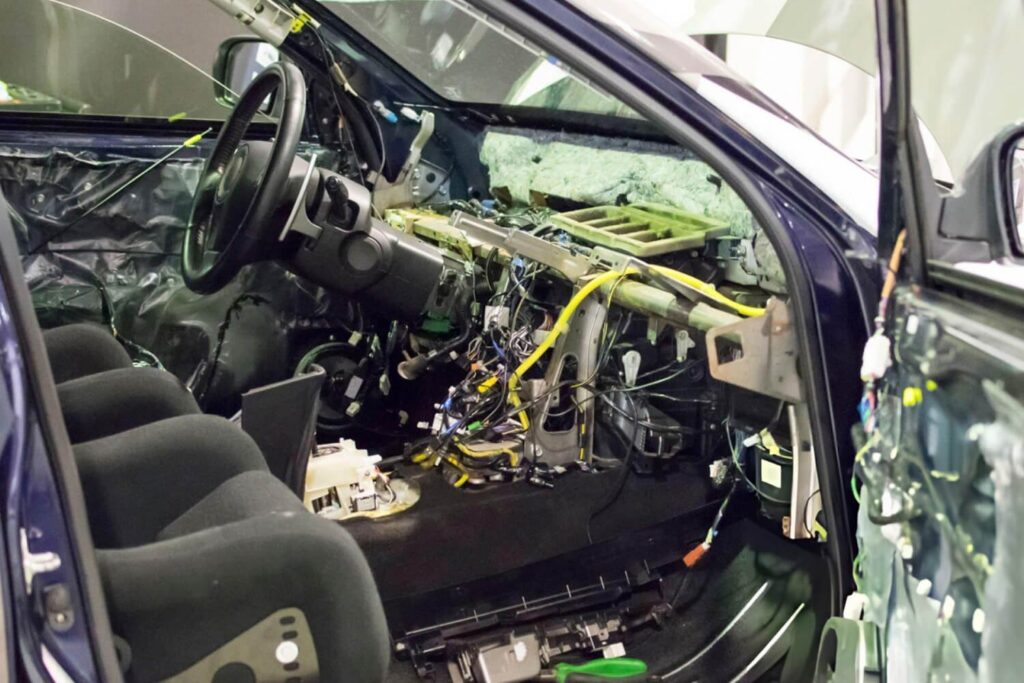
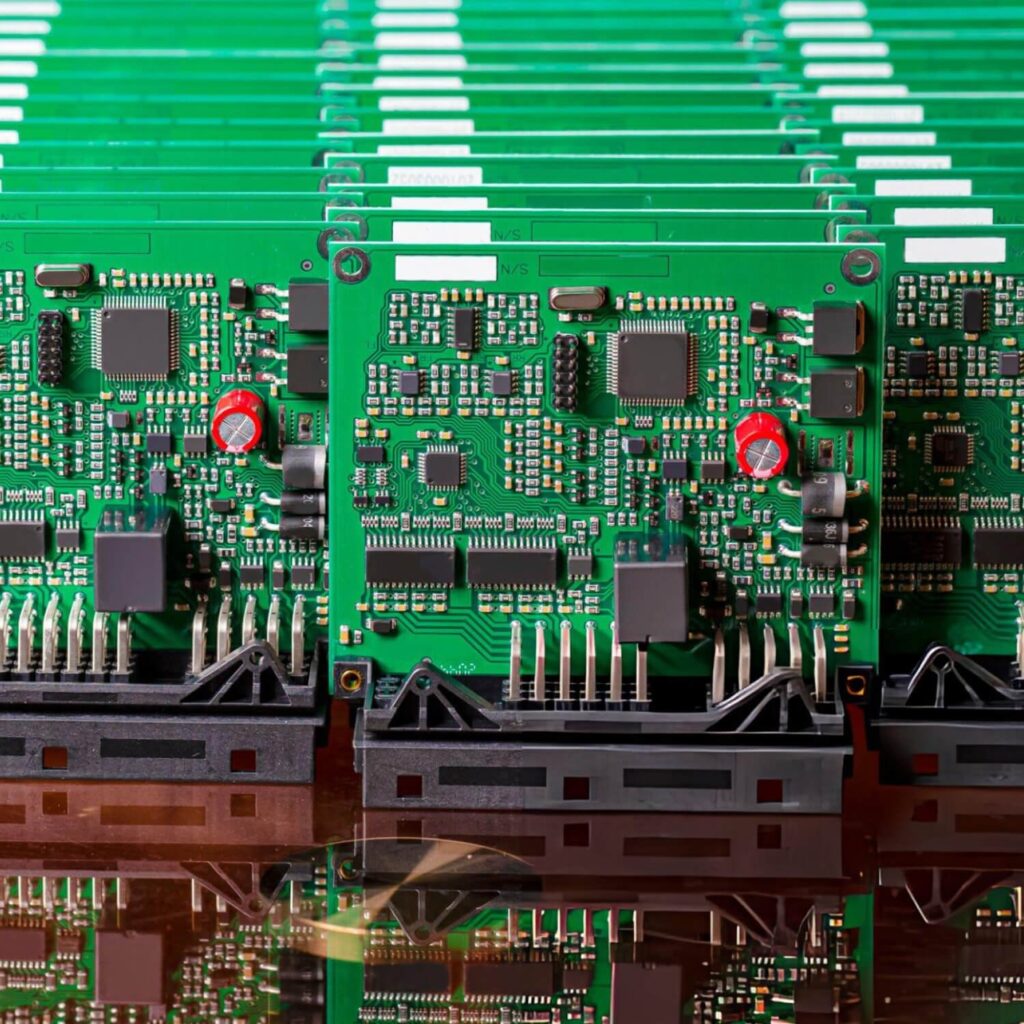
Identify the installation location and how the unit is mounted. A device inside a cabin, near heat sources or exposed to the external environment will have different conditions to consider. Supply the temperature, vibration, moisture, contamination and handling requirements established for the product.
The enclosure, mounting hardware, cable routing and connectors form part of that context. If a protective coating, sealing feature or special material is required, include its specification and acceptance criteria. These features cannot be inferred from the description “automotive.”
Power behavior
Describe the supply connection and the conditions it must handle. Include normal operation, startup, shutdown, interruptions and specified abnormal or transient conditions. Identify the required response and the customer test profile for each relevant condition.
For devices that remain connected while the vehicle is not in use, define the standby behavior and permitted power demand. State how the unit detects operating states and whether a restart or power interruption must preserve particular settings or records.
Interfaces and integration
Identify the signals and communication interfaces the product uses, together with the documents needed to implement them. Protocol, message definitions, timing, error responses and permissions to use the interface must be clear.
Define who supplies the host system, harness, firmware and any application software used during evaluation. A connector that fits does not establish correct electrical or communication behavior in the installed system.
Startup, interruption and recovery
Explain what the unit should do when it first starts, loses power or cannot communicate. Identify the state that is expected after recovery and any conditions in which automatic operation is restricted.
For a safety-related requirement, provide the applicable specification, responsible engineering contacts and required evidence. The requested role must be assessed explicitly; ordinary electronics development or manufacturing does not establish qualification for a safety function.
Agree the evidence required for acceptance
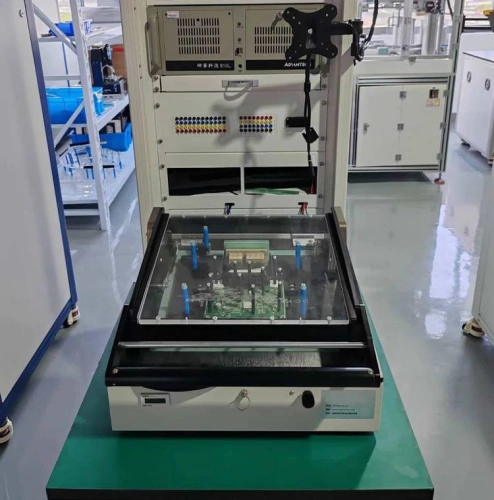
Your brief should distinguish a functional demonstration from a qualified product. Define the product configuration, test profiles, acceptance criteria and records needed for engineering evaluation and customer approval.
Environmental, electrical and system integration evaluations may be performed by different parties. The project agreement must identify the responsibilities, equipment or external providers and review of results. Manufacturing release checks have a separate purpose: confirming specified characteristics of the units being supplied.
If your customer requires particular supplier certificates, approval submissions, traceability or quality planning deliverables, state those requirements before the scope is agreed. The responsible entity, site and operation must match the qualification requirements for the proposed work.
Plan production around the approved version
The production baseline should identify the approved design, material list, software where applicable, assembly instructions and release checks. For a finished product, include labeling, accessories, packaging and any required configuration.
Required traceability needs a defined level and record format. Tell us whether you need material, lot, unit, software or test-result identification, who receives the records and how long they must be kept. These requirements must be assessed against the requested operations before they are accepted.
Changes also need a defined approval route. A substituted component, revised harness or firmware change can affect the result of earlier evaluation. Specify which changes need customer approval and what evidence is required before supply resumes.
Existing designs and transfers
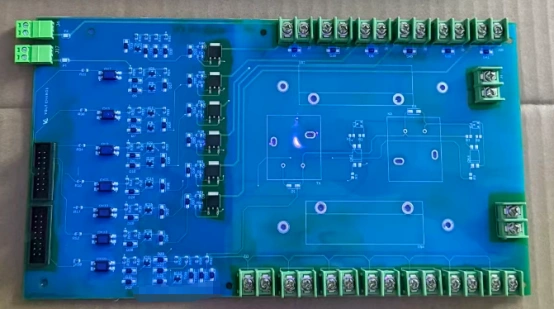
For an existing design, identify which information is released and what has already been evaluated. Include known issues, open requirements and any differences between the prototype and intended production version.
For a production transfer, describe the current assembly, required records, tooling and test equipment. Confirm the right to share and use the files and identify any customer approval needed for a change in manufacturing arrangements.
Our OEM/ODM page explains the wider project scope and handover questions. About Us outlines topics to raise when assessing the collaboration.
Prepare your automotive project brief
- Product function and whether it is vehicle-integrated, aftermarket or peripheral equipment.
- Installation location, mounting, environment and supply requirements.
- Interfaces, firmware ownership and host-system information.
- Safety-related requirements and responsible engineering contacts, where relevant.
- Customer qualification requirements, evaluation profiles and required records.
- Current design status, available files, planned quantities and delivery level.
- Change approval, traceability and transfer constraints.
Automotive project questions
What is needed before a vehicle supply program can proceed?
The product category, requested work and applicable supplier qualifications must be reviewed for the specific program. Identify required certificates, customer approvals, technical specifications and the responsible manufacturing location before the scope is accepted. These requirements determine the proposed supply role and the evidence needed for your approval process.
Can an aftermarket device use the same brief as a vehicle-integrated component?
Some technical questions overlap, but installation, interfaces, approvals and customer responsibilities may differ. Explain the actual sales and installation context so the scope is based on the intended product.
What if we need a particular vehicle communication interface?
Provide the interface requirements, permissions and evaluation arrangements. The protocol name alone is not enough to define implementation or compatibility. Firmware, host-system access and acceptance responsibilities need to be agreed.
Can a component change be treated as a direct substitution?
Only after the appropriate review and approval. Electrical behavior, thermal conditions, environmental performance, software interaction and previous qualification may be affected. Include your required change approval procedure in the project brief.
Discuss the use, the conditions and the required evidence
Share the actual product context and what you need from a supplier. We can assess the requested scope and identify the information needed before a project commitment.