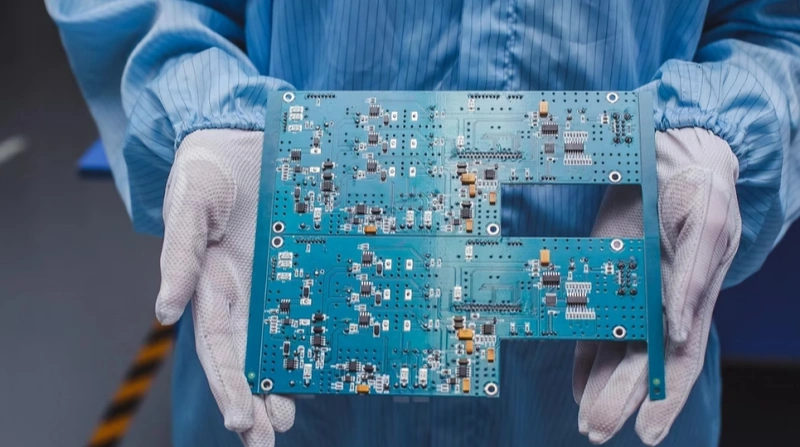
Medical electronics projects begin with intended use and clear responsibilities.
Medical-related electronic products need a precise description of their role, users and operating environment. The required documentation, supplier qualifications and approval responsibilities must be understood before development or manufacturing work is agreed.
Discuss your requirement with XCC Technology. Share the intended use, current design stage and requested OEM/ODM support so the scope and supplier suitability can be reviewed for your particular project.
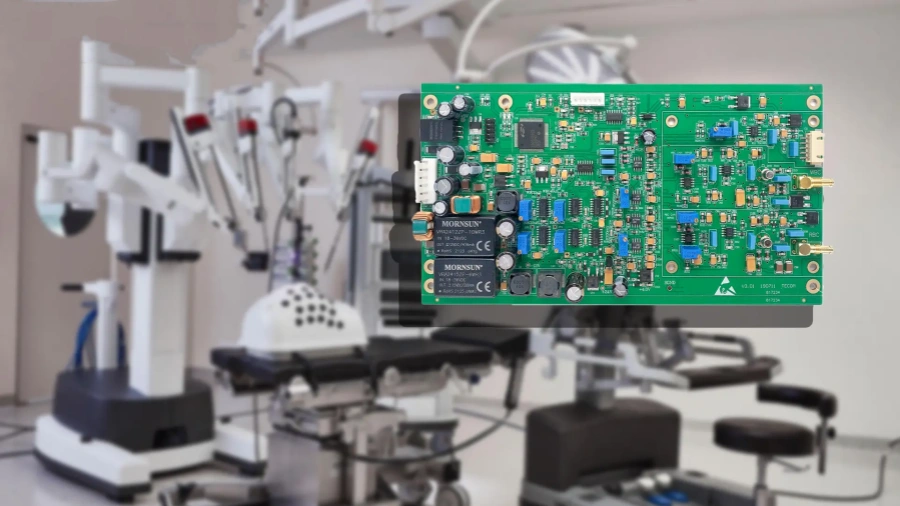
Explain what the product does in its setting
“Medical electronics” can refer to products with very different functions and responsibilities. Describe whether the electronics forms part of equipment, a user interface, a monitoring function or another specified product. Identify who uses it and whether it connects to a patient, handles patient information or contributes to a safety-related function.
These distinctions help define the request; they do not establish that every category can be accepted. The applicable requirements and evidence needed from a supplier must be reviewed before a commitment is made.
Include the intended location and use pattern: a healthcare facility, laboratory, home setting or another defined environment. Explain how the electronics interacts with the wider product and which parts of that product are already specified.

Electronics support within a defined product scope
Development and integration
We structure the requested electronics work around the product function and the requirements supplied by its responsible teams. A scope may concern a control or interface assembly, a sensing function or electronics within a larger item of equipment. Hardware, embedded behavior and physical interfaces are identified together with the system information needed to evaluate them.
For development work, review points connect the requirements with the commissioned design outputs and sample configuration. For an existing design, we identify the available release information, requested manufacturing work and any gaps affecting the proposed build. The suitability of the work and supplier arrangements is assessed against the actual product and qualification requirements.
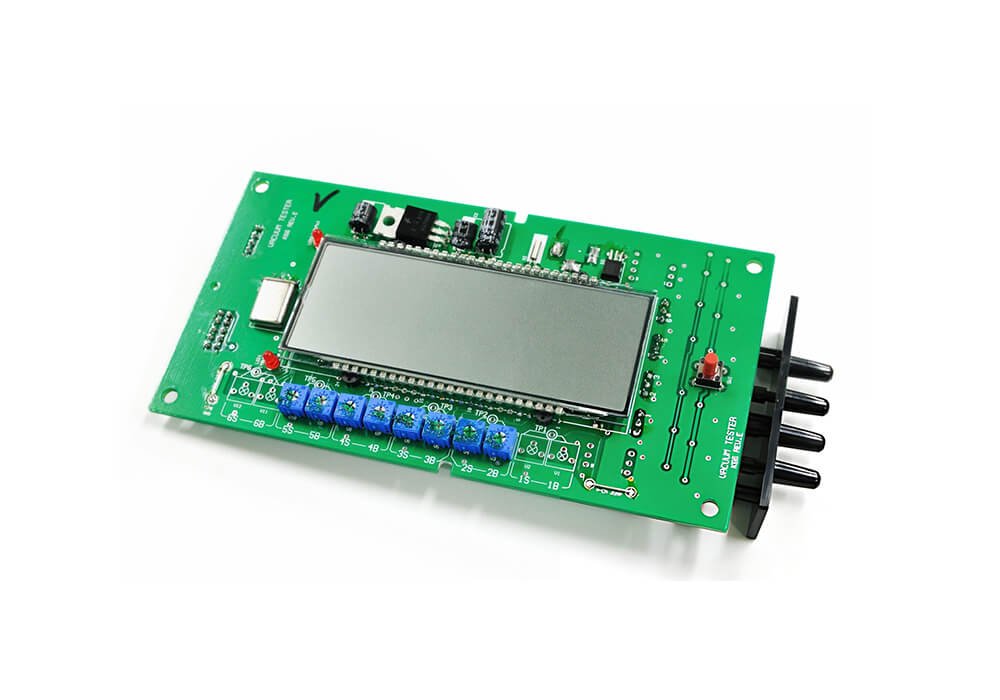
Build preparation and assembly
Manufacturing preparation connects the approved design with its specified materials, assembly information, software where applicable and acceptance instructions. If the scope includes programming, configuration or integration into a housing, the relevant version and procedure are part of the build definition.
Customer-specific handling and production controls need to be identified before the build is accepted. The proposed operations, required records and role of any specialist contributors are reviewed together so the manufacturing scope matches the quality agreement applicable to the project.
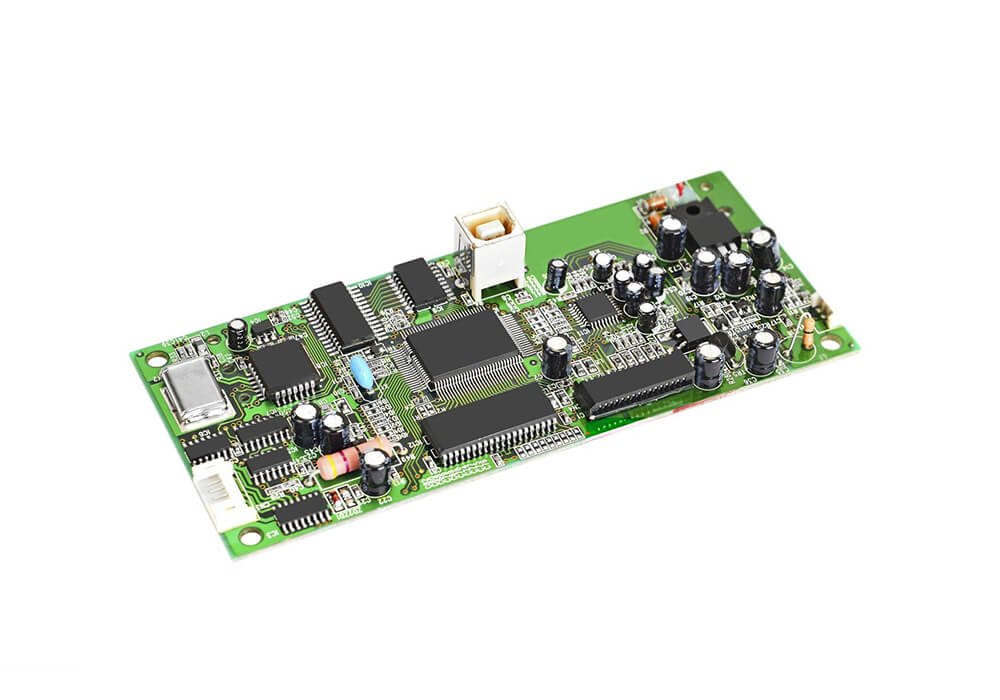
Deliverables for engineering and purchasing review
The agreed handover may include evaluation units, commissioned design files, interface descriptions, an approved configuration list, assembly instructions and specified inspection or functional test records. Each deliverable has a defined purpose and review route. Your product team identifies how those outputs will be used within the wider product documentation and approval process.
For a board or subassembly, the interface to the host product remains explicit. For a finished unit, labeling, accessories and packing requirements are included in the delivery definition. Documentation responsibilities are agreed at the same time as the physical assembly so the order describes both the supplied product and its supporting information.
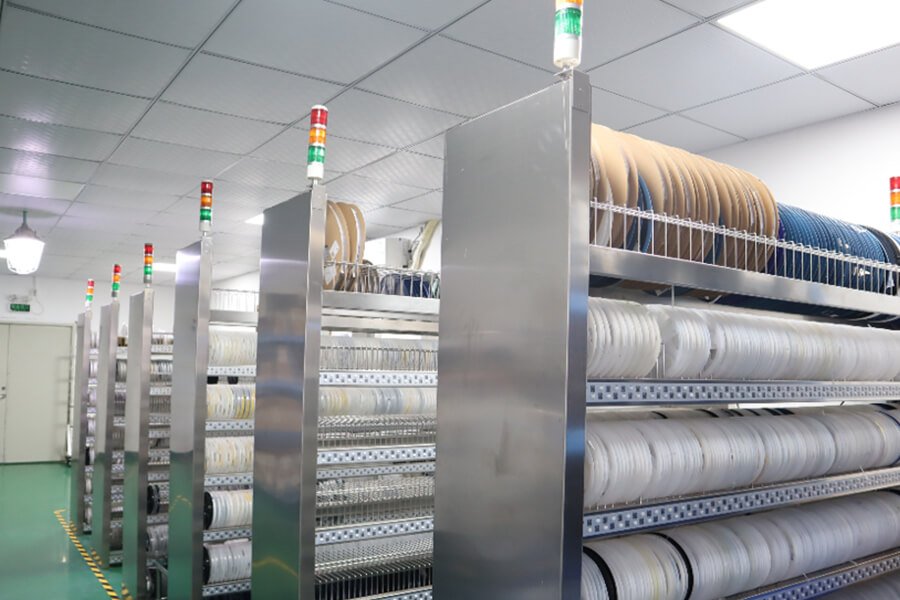
Establish supplier requirements at the beginning
Your product and quality teams should identify the qualifications, records and approvals required for the proposed work. Tell us which requirements apply to the manufacturing entity, location and operations, and what evidence your supplier approval process needs.
The enquiry should identify:
- The intended product and the function of the requested electronic assembly.
- Required supplier qualifications and any customer-specific quality agreement.
- The responsible product owner and the parties handling approval activities.
- Required design, production, verification and release records.
- Any special handling, cleaning, contamination-control or packaging requirements.
- Review, audit and change-notification expectations.
Qualification is specific to the work and the responsible entity. A general application description does not confirm a particular certification, regulatory status or specialized manufacturing environment.
Define the technical and documentation scope together
Functions and interfaces
Describe the inputs, outputs, user interactions and interfaces to the host equipment. If the electronics acquires a signal, controls a function or displays information, specify the required behavior and acceptance criteria. Identify failure responses and safety-related requirements established by your responsible product team.
The requested scope should distinguish electronics work from the wider system responsibilities. That includes any customer-supplied sensors, software, accessories or host equipment used to evaluate the assembly.
Configuration and design information
For an existing design, provide the released files and their revision status. The documentation should identify the approved materials, hardware, software where applicable, assembly information and test requirements.
For development work, define the required outputs and review points. A prototype, a design file package and a production release package are different deliverables. Their content, approval and permitted use need to be agreed explicitly.
User environment and physical integration
Installation, handling, cleaning methods and interaction with other equipment can affect requirements. Explain the enclosure, connectors, user controls and maintenance access. If the product has special environmental or material requirements, include the actual specification and the planned evaluation.
Do not leave those requirements implicit in the word “medical.” They need to be assigned to the relevant part of the product and reviewed against the proposed work.
Connected functions and information handling
For a connected product, identify the information exchanged and the responsibilities for firmware, applications, network services and access controls. Patient data or other sensitive information should not be included in the initial website enquiry.
Define who owns the connected environment, supplies test data and manages updates. Hardware acceptance and software or service acceptance need to be coordinated for the intended use.
Agree what will be checked and recorded
The project should establish the required evaluation and production checks before work begins. Each check needs a defined configuration, method, acceptance criterion and record where required.
Production release checks confirm specified characteristics of the manufactured assembly. Product verification, validation and market approval activities have their own responsibilities and evidence requirements. The agreed scope must identify which activities are requested from us and which remain with the product owner or other organizations.
If traceability is required, specify the level: materials, lot, unit, configuration, test result or another defined record. Retention, access and delivery of records also need agreement. These requirements must be assessed against the proposed operations rather than assumed from an industry label.
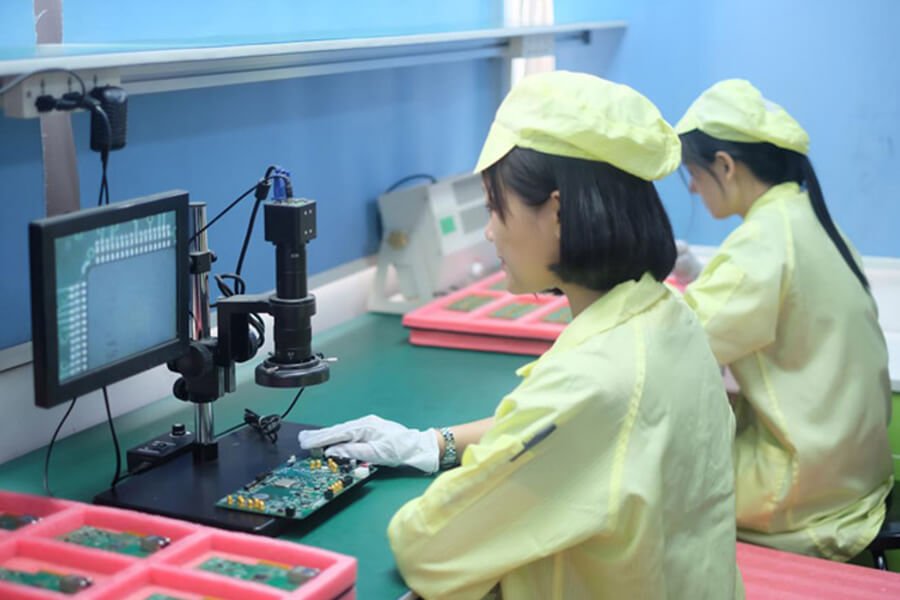
Changes require an approved baseline
A material substitution, software update or assembly change can affect the requirements used to approve the product. For a redesign or transfer, identify the current baseline, known issues and proposed changes.
Agree who reviews the change, what evaluation is needed and which documents must be updated before release. The same applies to a transfer of production: files, process instructions and approval records must describe the version being transferred.
Review our OEM/ODM page for the general project starting points and About Us for questions to raise when evaluating the collaboration.
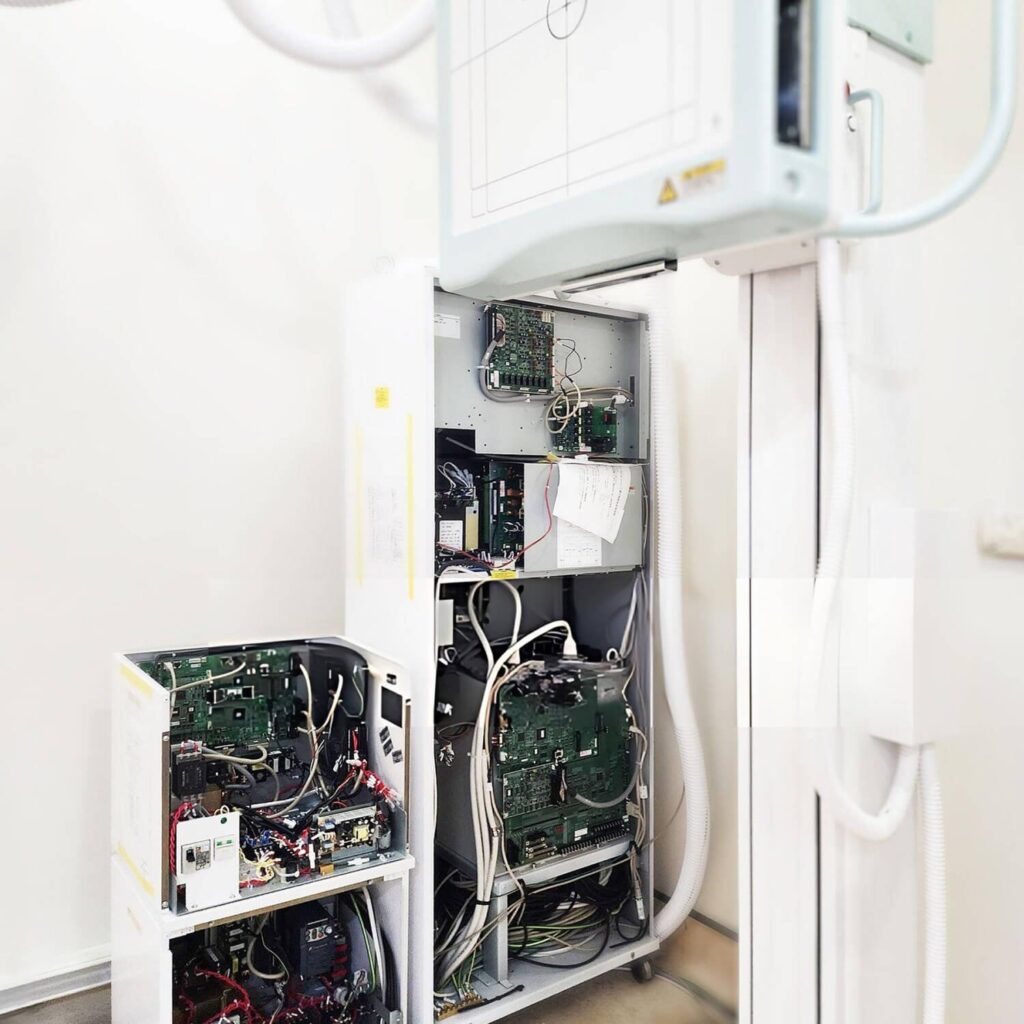
Prepare a non-confidential project summary
Describe the intended use, product function and requested assembly or delivery level. Include the target market, current stage, supplier qualification requirements, documentation expectations and responsible approval team. List existing files and samples without sending sensitive records in the initial form.
This information helps determine what must be established before the project can proceed.
Medical electronics project questions
Can a healthcare-related product be assessed without a complete design?
An initial discussion can begin with intended use and the requested support. Supplier suitability and applicable requirements still need to be established. Identify your responsible product and quality contacts so technical scope and approval responsibilities can be considered together.
Does manufacturing support include regulatory approval?
Regulatory and market approval activities are not implied by a manufacturing enquiry. The responsible parties, required evidence and any specifically requested support must be defined in the project agreement. Do not assume that approval of an electronic assembly establishes approval of the complete product.
What if our supplier approval requires a specific certificate?
State the required certificate, entity, site and activity scope before proceeding. Certificate suitability and other supplier approval requirements are reviewed against the proposed work before the project scope is accepted.
Can existing documentation be used for a transfer?
Provide its current revision and explain which documents have been approved. Missing files, outdated test instructions or differences between the documented and actual product can affect the transfer scope. Review and acceptance requirements should be agreed before production is moved.
Start with the intended use and the evidence you require
Tell us about the product and your supplier qualification process. We can discuss the requested work and the conditions that need to be resolved before a project commitment.