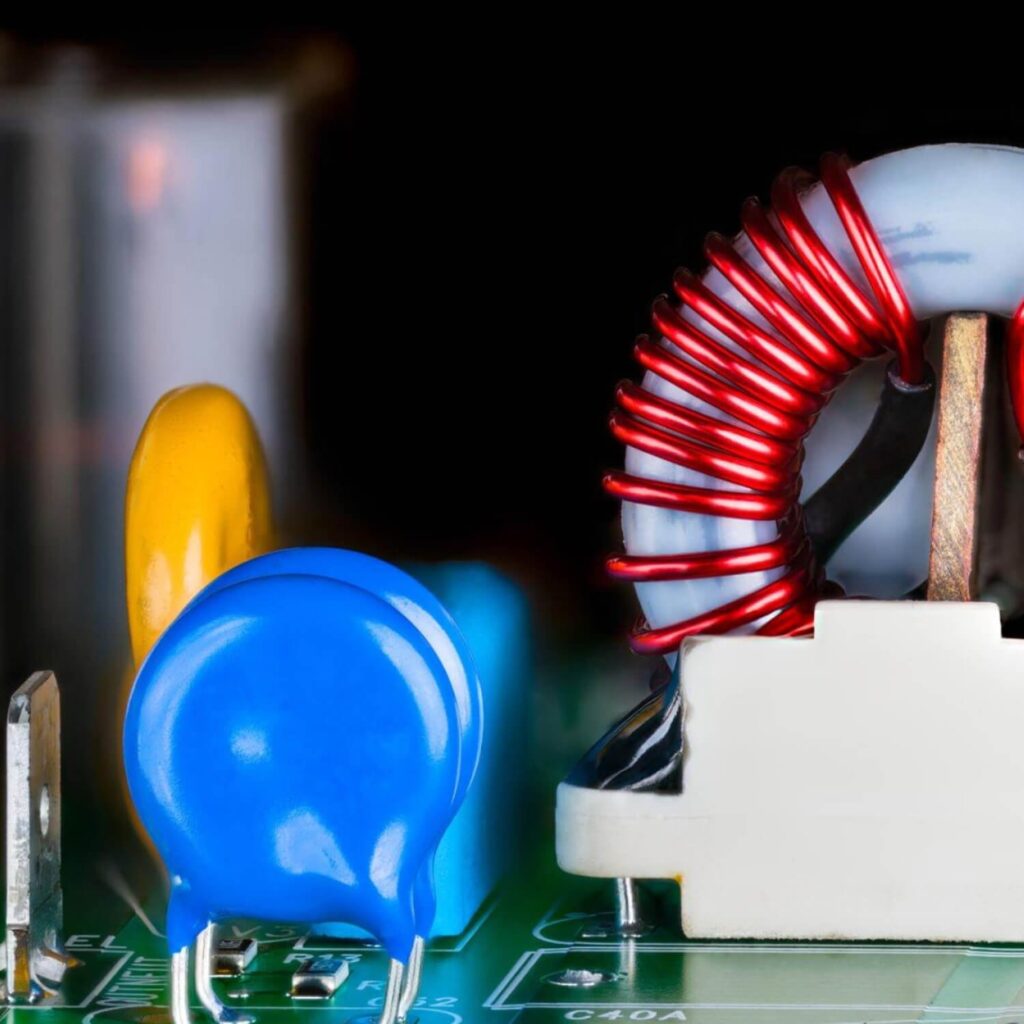
Power management electronics defined by the source and the load.
A power function needs to match the conditions in which the product operates. Input variation, load behavior, heat and the required response to abnormal conditions all influence the engineering and production brief.
Discuss your power management electronics requirements with XCC Technology. Tell us whether the work concerns a function within a larger product, a separate module or an existing design that needs manufacturing or modification. The product type, electrical range and responsibilities are reviewed before scope is agreed.
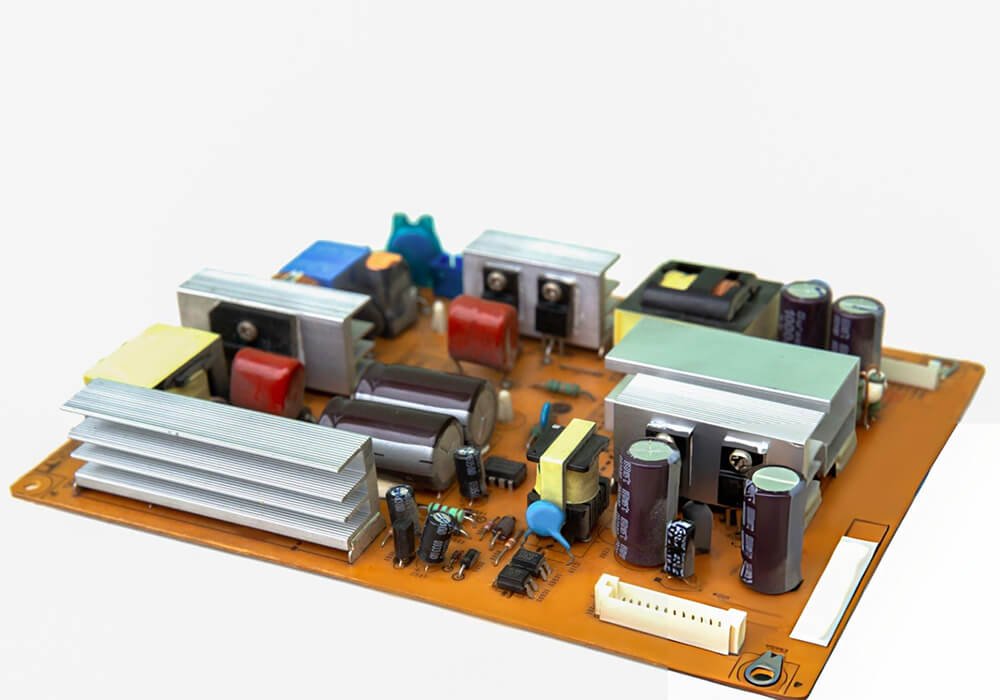
Begin with a complete electrical requirement
A nominal voltage or power figure is a starting point. The project also needs to describe what the source can supply, what the load requires and how those conditions change during operation.
Identify the intended power task: supplying an electronic assembly, regulating an output, controlling power delivery or monitoring an operating condition. If your requirement involves another function, describe it explicitly so its suitability can be assessed. The enquiry does not need to presume a particular circuit topology or standard product platform.
For electronics dedicated to a light source, see Lighting Systems for lighting-specific load and control questions. For power electronics integrated with equipment, the Industrial Control Electronics page covers the wider equipment interfaces.
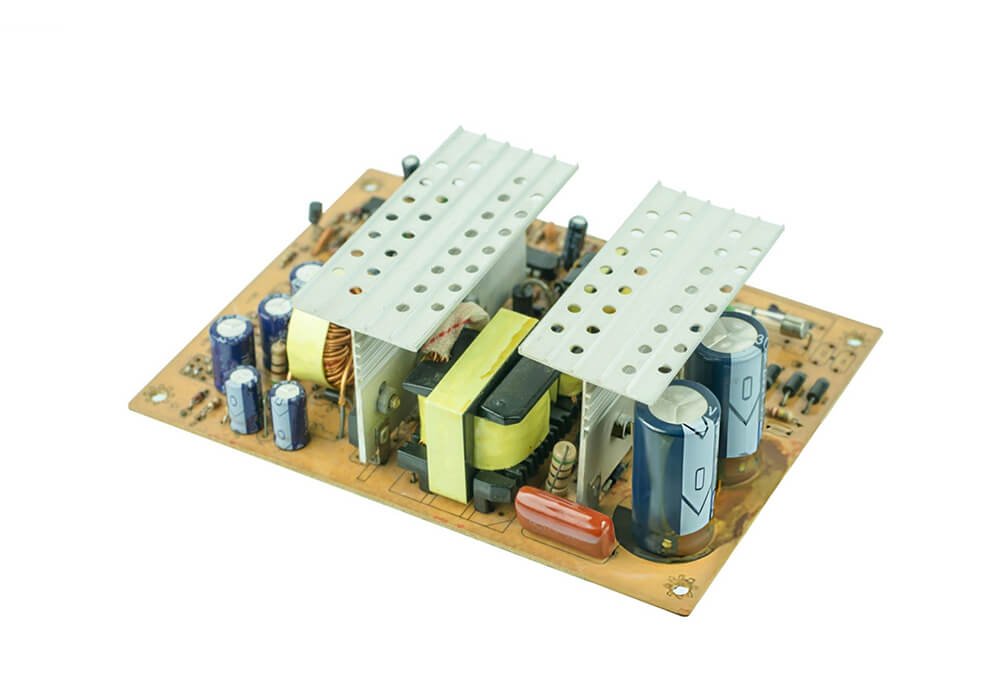
From the power requirement to a reviewable product
Architecture and design work
We use the source, load and installation requirements to define the electronics work requested for the project. Where development is included, the scope establishes the architecture, circuit and control work, physical interfaces and evaluation objectives. The review considers the relationship between electrical behavior, material choices and the mechanical or cooling arrangement.
For an existing design, the task may be production preparation, a component change or correction of a documented issue. We establish the current configuration and required result before defining the modification. This gives your engineering team a clear basis for reviewing the proposed work and its effect on the host product.
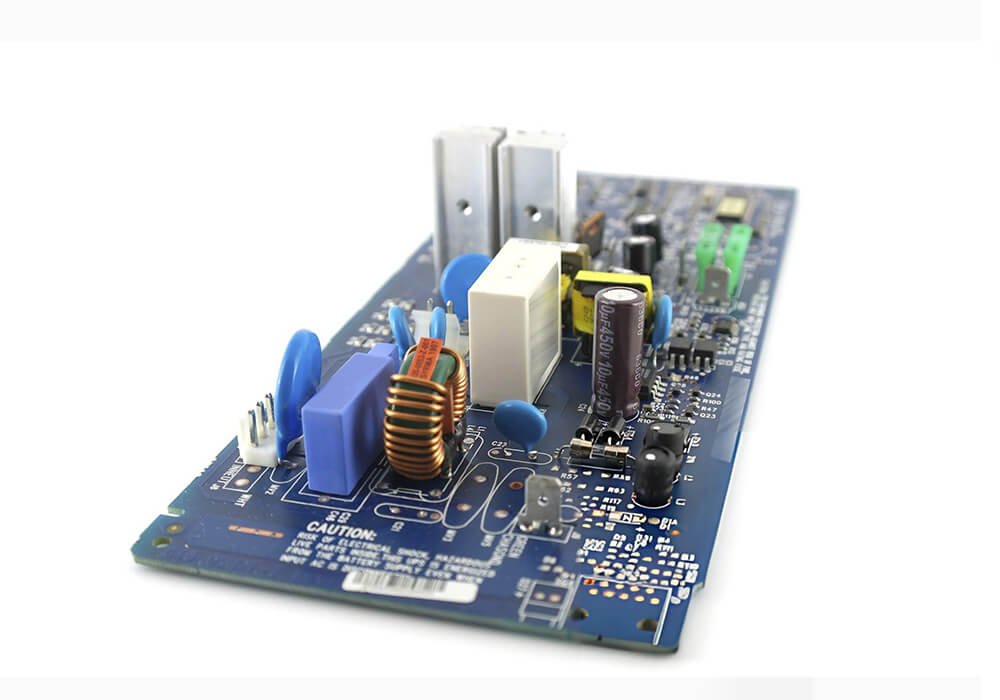
Samples and engineering decisions
Evaluation samples are built for the questions the project needs to answer. An input or load issue, an enclosure change and a control-function change may need different configurations and measurements. The sample plan identifies the conditions, expected result and information needed to decide whether the design is ready for the next stage.
Findings should connect the measured behavior with the design revision and test setup. Where the result requires a change, the next revision and repeat evaluation are agreed before the design becomes the production reference.
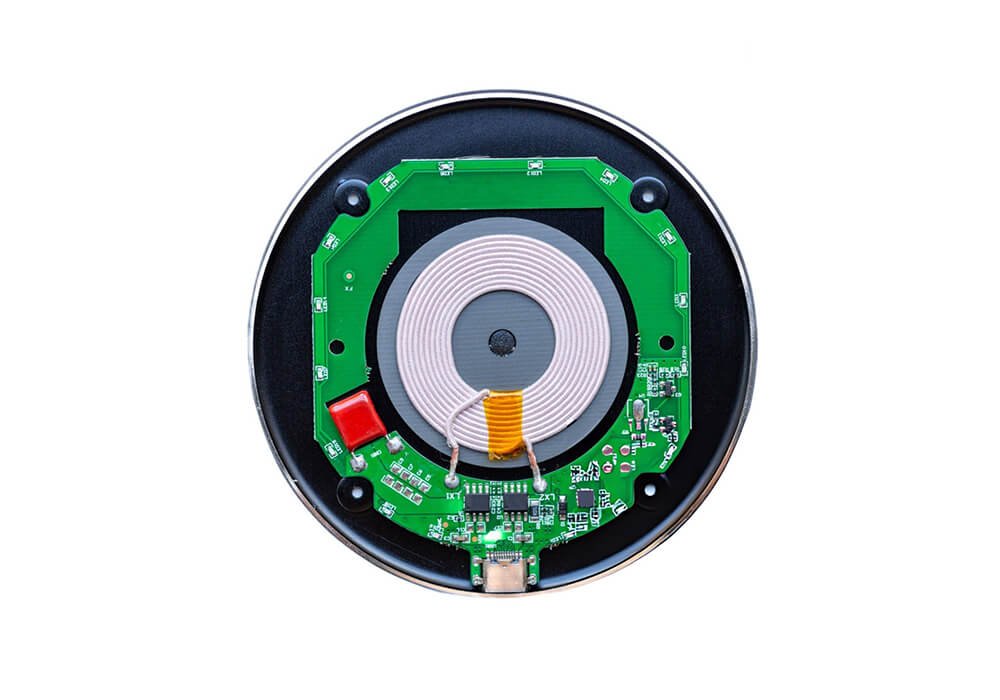
Manufacturing preparation and delivery
The manufacturing package connects the approved design with its materials, assembly, settings and release checks. Power connections, thermal interfaces and any programming or calibration step included in scope need defined instructions. For a finished unit, the enclosure and installation dependencies are recorded with the electrical configuration.
The agreed delivery can include sample units, commissioned schematics and layout files, control or software information, the approved material list and test instructions. The proposal identifies which outputs are included, how they are reviewed and whether external evaluation is required. Ratings and market claims are then tied to the appropriate product evaluation, rather than inferred from the presence of a power circuit.
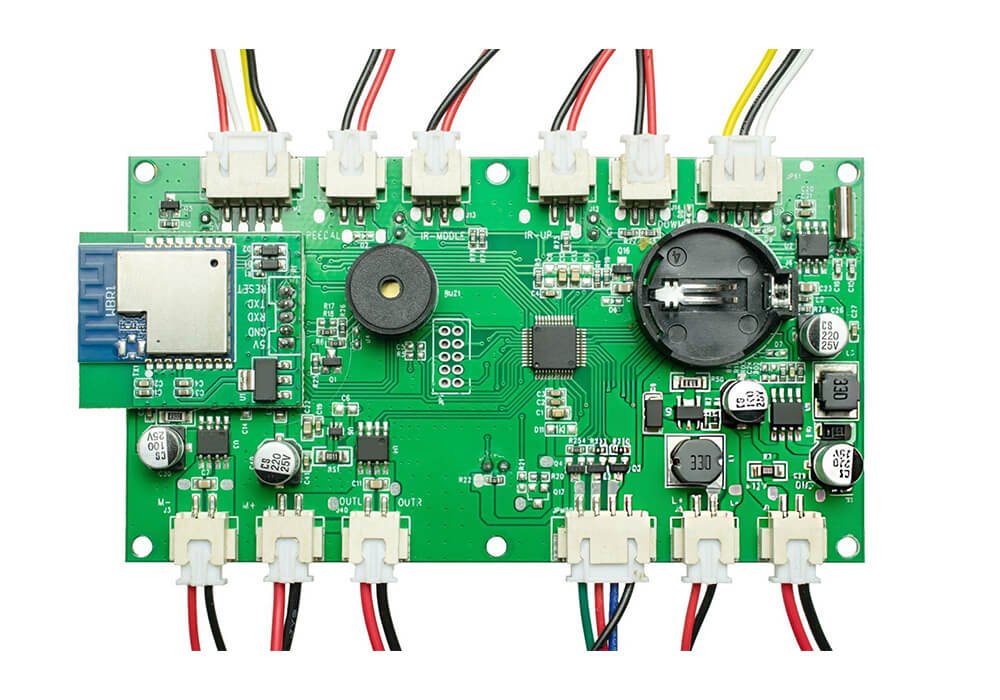
Requirements that shape the project
Input source and variation
Describe the source type and its expected range in normal operation. Include startup, interruptions and other source conditions the product is required to withstand or detect. Identify connector, polarity, grounding and isolation requirements where they apply.
The operating range and the permitted response outside that range should be separate requirements. If an existing host product supplies the input, its specification and observed behavior are useful project information.
Output and load behavior
Specify the required output characteristics and the load's operating pattern. Is demand steady, intermittent or changing rapidly? Does the load have a startup condition that differs from normal operation? Are multiple outputs required, and in what sequence?
For a control or monitoring function, identify the measured variables, the required response and the interface to the rest of the system. Measurement accuracy, timing and thresholds need defined acceptance criteria when they are relevant to the requested work.
Protection and recovery
State the abnormal conditions to be considered and the behavior expected from the product. A requirement may call for limiting operation, shutting down, reporting a fault or restarting under defined conditions. The correct response depends on the product and its use.
Identify which protective functions are part of the electronics and which are provided elsewhere in the system. Fault behavior and recovery should be reviewed with the host product, including any restrictions on automatic restart.
Thermal and mechanical integration
Explain the enclosure, mounting, ambient conditions and available cooling. Space, airflow and heat paths affect the operating conditions that can be evaluated and claimed for the product.
If performance depends on a heatsink, thermal interface or a particular installation, that dependency belongs in the specification. Evaluation should identify the complete arrangement, rather than treating an exposed-board result as a finished-product rating.
Interfaces and control ownership
For a digitally controlled power function, define who supplies the firmware, commands, settings and host interface. Identify the expected startup configuration and the behavior when commands or communication are unavailable.
Calibration, parameter changes and programming during production also need a defined owner and procedure. They are included only when part of the agreed project scope.
Plan evaluation before committing to a rating
A useful evaluation plan names the configurations and conditions being checked. Depending on the requirement, these may include input and load combinations, startup, output changes, thermal operation and specified fault responses.
The project should distinguish development evaluation, product qualification and production release checks. They answer different questions and may require different equipment or external organizations. Relevant safety, electromagnetic compatibility and market approval requirements should be identified early, with clear responsibility for the work and the resulting documentation.
Claims about efficiency, temperature range, insulation, service life or compliance must relate to an identified design and evidence. They cannot be established by a general statement that the product manages power.
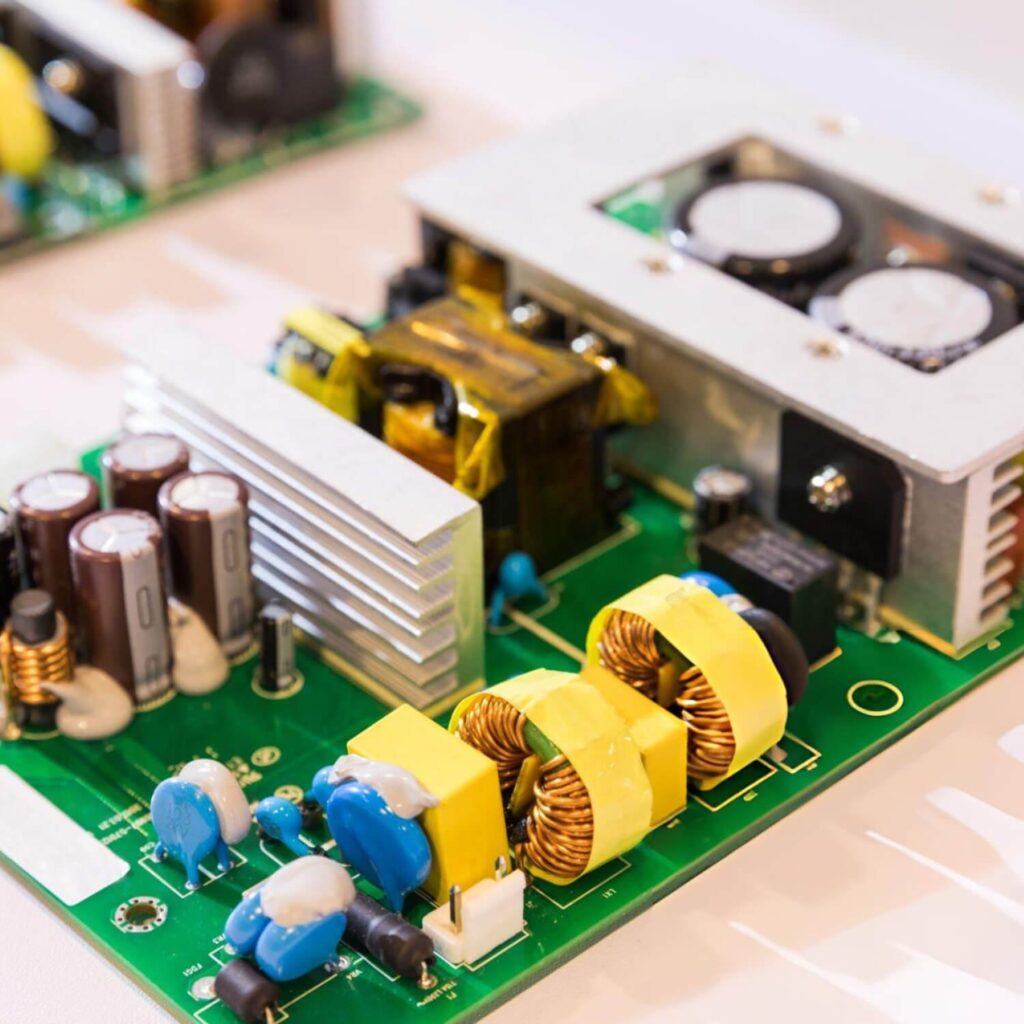
Existing designs and component changes
For an existing design, share the released schematics, material list, software where applicable, mechanical information and test instructions that you are authorized to provide. Include the intended operating conditions and any known issues.
For a redesign or replacement component, identify what is changing and which characteristics must be retained. A change in a power component, magnetic component, protection setting or thermal arrangement can require review of more than the changed item. The scope should establish how the revised design will be evaluated and approved.
Our OEM/ODM page explains the project starting points, deliverables and production preparation work in more detail.
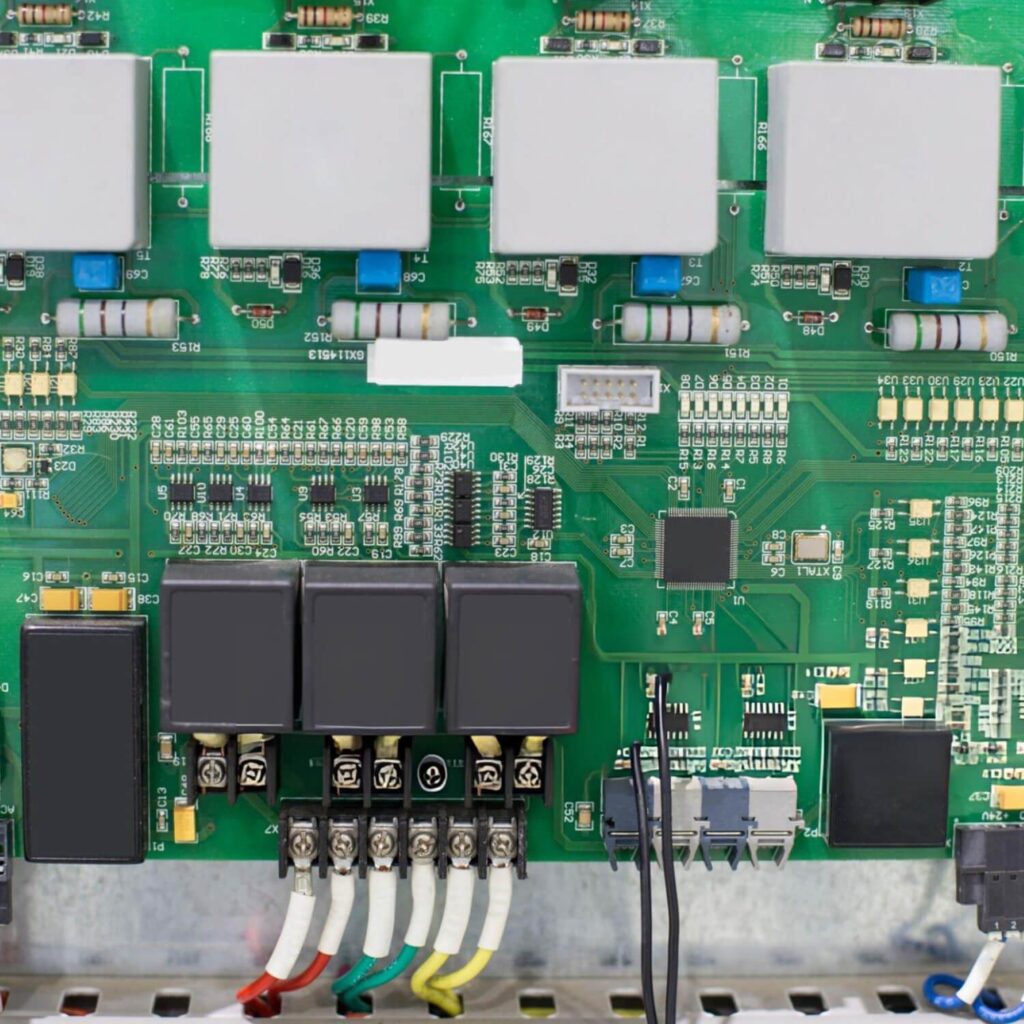
What to send for an initial discussion
- Product type and whether the delivery is a board, module, subassembly or finished unit.
- Source specification, input range and relevant abnormal conditions.
- Output requirements, load profile and startup behavior.
- Protection, fault reporting and recovery requirements.
- Mechanical envelope, installation, ambient conditions and cooling arrangements.
- Interfaces, software ownership and existing design information.
- Target market, required evaluations, supplier approval requirements and planned quantities.
Use a non-confidential summary for the initial enquiry. List detailed files that are available and agree exchange arrangements before sharing them.
Power project questions
Can you assess a requirement before a topology is selected?
Begin with the input, output, load and installation requirements. These define the problem that a design would need to solve. Architecture selection and detailed design work must be included in the agreed scope; they are not implied by submitting an enquiry.
Can the same design be used in a different enclosure?
That requires review. Mounting, cooling, cable routing and accessibility can change operating conditions and evaluation needs. Provide the proposed enclosure and installation details alongside the existing design information.
What information helps evaluate a component substitution?
Include the current component, proposed replacement, reason for change and the product conditions it must meet. Electrical behavior, thermal performance, tolerances and any approval impact may need assessment before the substitution is accepted.
Does a functional production check replace qualification?
No. A release check confirms specified characteristics of the manufactured unit. Qualification addresses defined product and operating requirements. State which records and approval activities your project needs so they can be assigned appropriately.
Describe the conditions your power function must meet
Share the source, load and intended installation, along with your current stage. We can discuss the requested work and the information needed to assess the project.