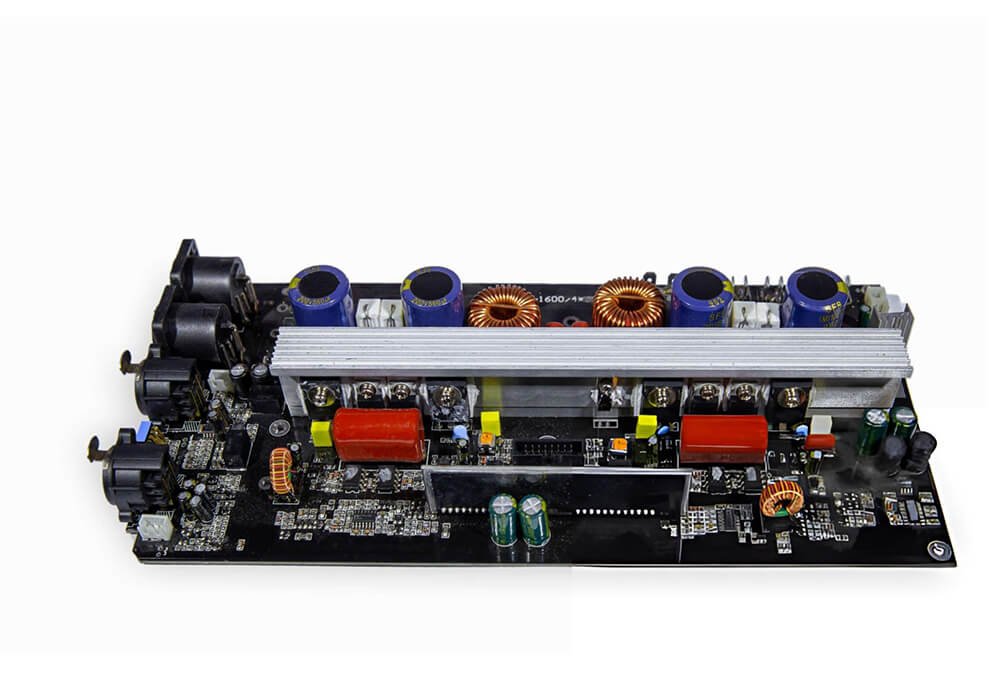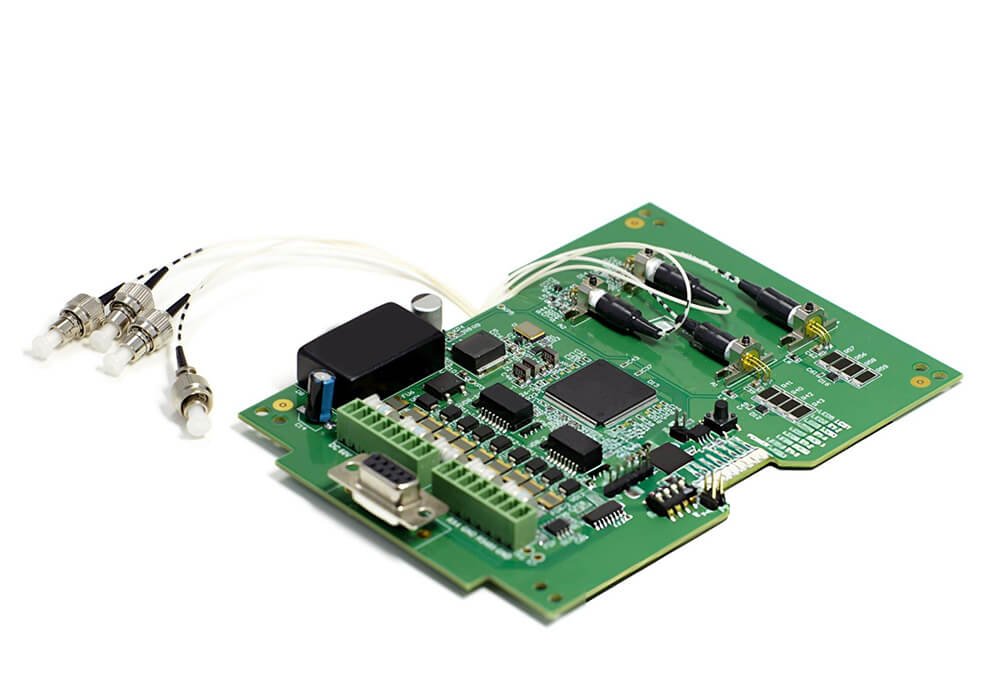
Electronic products shaped by their application.
The place a product works determines what it needs to do. A home controller must be easy to install and use. Industrial electronics must integrate with equipment. A connected device needs a clear relationship between its hardware, network and supporting software.
XCC Technology supports electronic product OEM/ODM projects across seven application fields. Use the areas below to frame your project, then tell us about the product, its operating conditions and the support you need.
Find the requirements that matter to your product
Smart Home Electronics
Home devices bring electronics into everyday routines. Product decisions include installation, controls, power, enclosure design and the behavior users expect when a connection is unavailable.
Start with the user's task: controlling a function, viewing a condition or connecting a household device. Describe the installation location and any ecosystem that the product must work with. Platform compatibility and certification requirements need to be defined for the particular project.
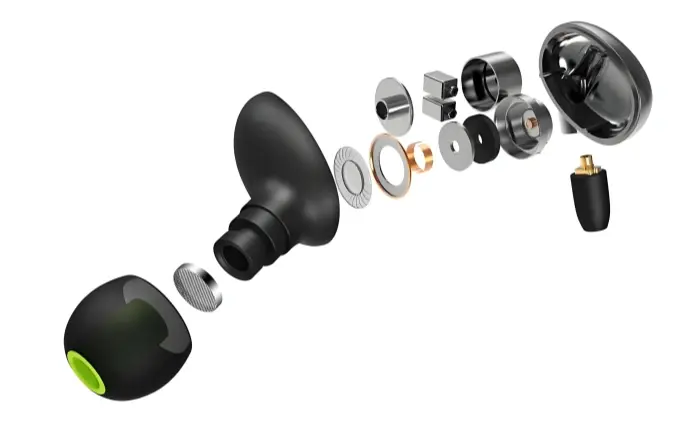
Lighting Systems
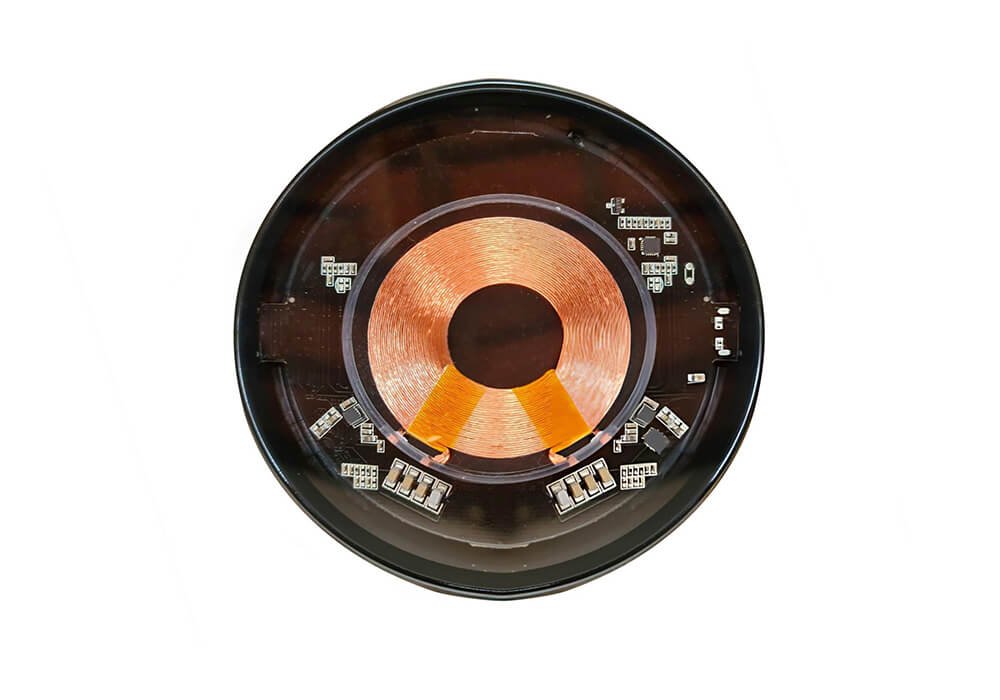
Lighting products bring together the light source, power stage, control behavior and physical installation. A dimming controller, driver or integrated lighting product requires a brief that identifies which of these elements is included.
Tell us about the load, control method, intended environment and the finished assembly. Thermal conditions, startup behavior, installation constraints and evaluation criteria help turn a general lighting requirement into a defined project.

Power Management
Power-related electronics must be specified around the source, load and operating conditions. Input range, output requirements, startup, protection behavior and heat dissipation are essential parts of that discussion.
Describe whether you need a power function within a larger product or a separate unit. The particular power architecture, rating and delivery scope must be reviewed before the work can be agreed.

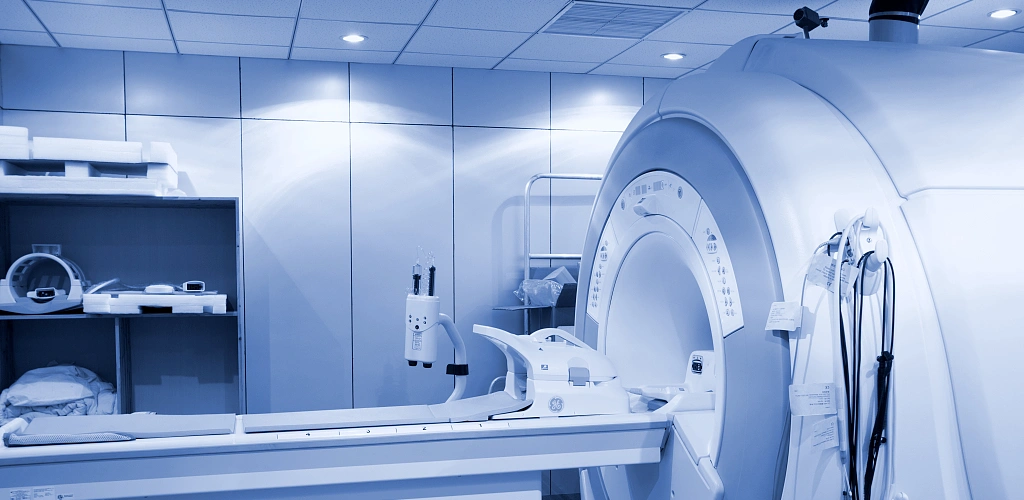
Medical Electronics
Medical-related projects begin with intended use, the product's role and the responsibilities of the product owner. User interactions, operating environment, configuration control and documentation requirements influence the work.
Identify any patient connection, safety-related function and applicable supplier qualification requirements at the outset. The application category alone does not establish the quality system, approvals or manufacturing conditions a project requires.
Automotive Electronics
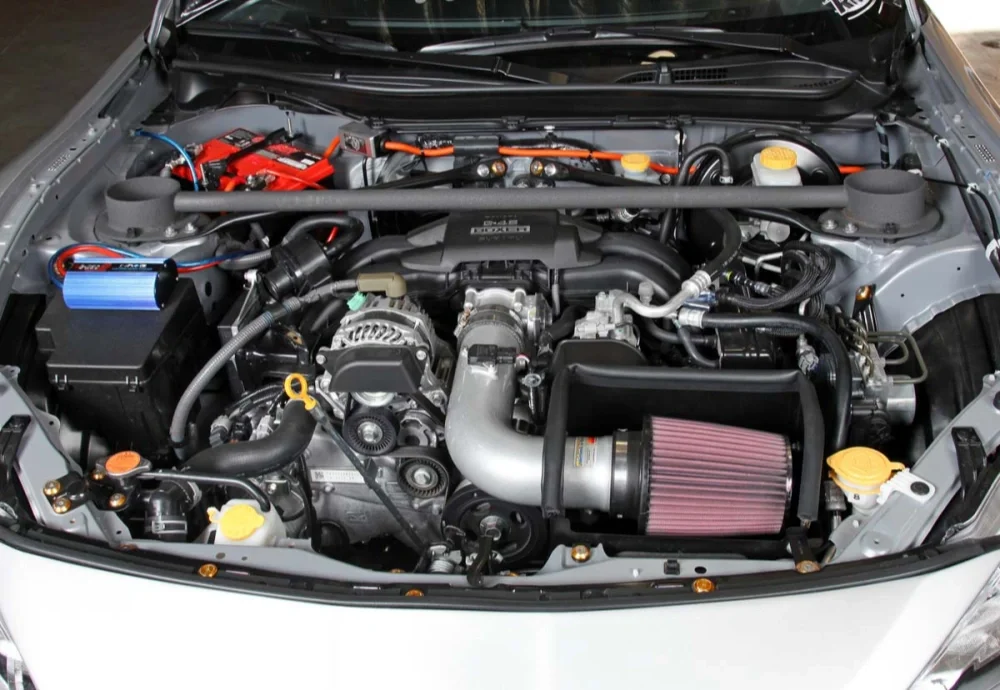
Vehicle-related electronics need a clear installation context. An accessory, service device and vehicle-integrated component can have different electrical, environmental, integration and approval requirements.
Describe the intended use, vehicle interfaces, supply conditions and customer specifications. Qualification, traceability and change approval requirements must be considered against the proposed project scope.
Industrial Control Electronics
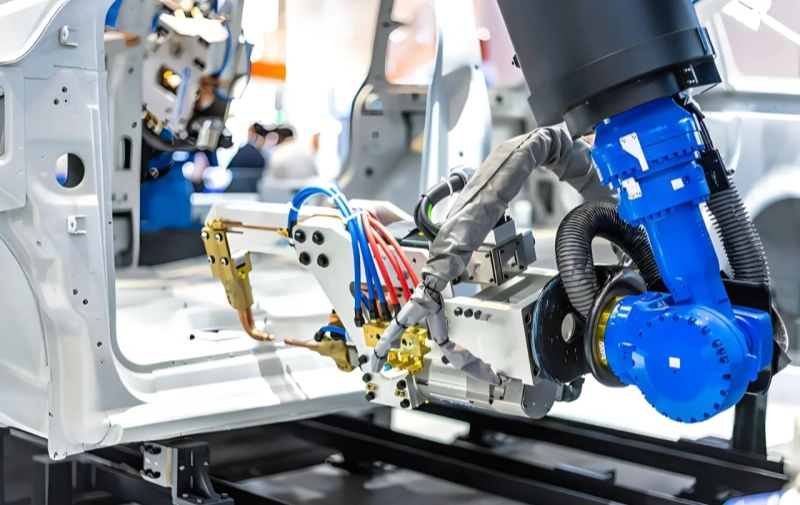
Industrial products operate as part of equipment and working processes. Inputs and outputs, communication interfaces, startup states, installation, maintenance and operating environment all affect the design and production brief.
Tell us what the electronics must monitor or control, how it connects to the equipment and what happens when power or communication is interrupted. Existing system specifications are especially useful when adapting or transferring a design.
IoT Electronics
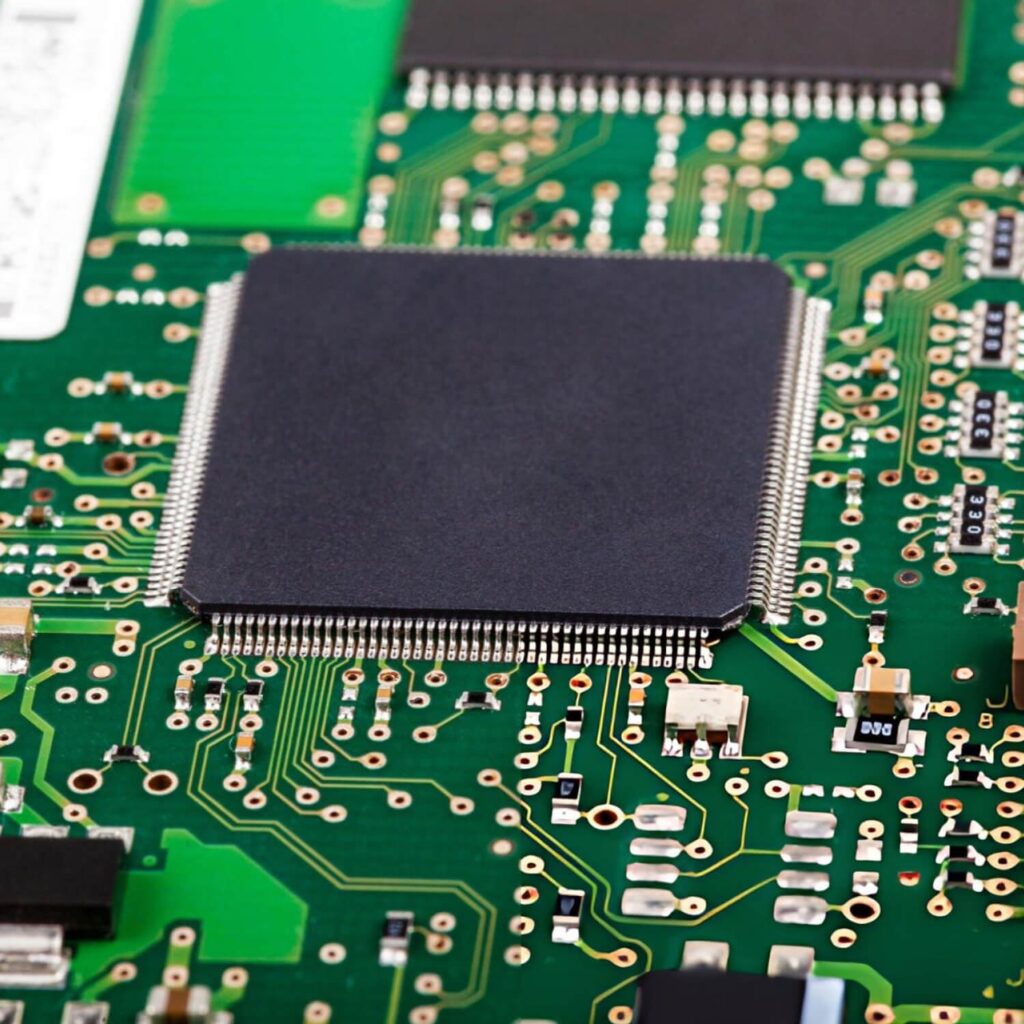
Connected devices need a defined path from sensing or control to data exchange. Hardware, firmware, network access, device identity and application services must work together, with clear ownership of each part.
Describe where the device is deployed, what information it exchanges and who supplies the cloud or application environment. Power use, connectivity, setup, updates and ongoing support belong in the initial requirements discussion.
One product may cross more than one field
A connected lighting controller can involve smart home usability, lighting control and IoT communication. An industrial monitoring unit may combine control interfaces, a power function and remote data exchange.
Choose the field that best describes the product's main job. You do not need to classify every technical feature before contacting us. Explain the whole product and identify the requirements that will decide whether it is suitable for its use.
For a home product, start with the household installation and user experience. For a connected platform product used across settings, start with device communication and system responsibilities. For a lighting project, start with the light source and control task; for a power project, start with the electrical source and load.
Connect the application to the project stage
An application describes how the product is used. The project stage describes the work needed next.
- New product: Define required functions, operating conditions and evaluation criteria.
- Existing design: Identify the released configuration and the production information available.
- Customization or transfer: Establish what remains unchanged, what must change and how the revised result will be accepted.
Our OEM/ODM page explains how these starting points shape the scope, information needs and deliverables.
From application requirements to a defined delivery
We connect the product's use with the engineering and manufacturing work needed at its current stage. The first review identifies the essential functions, existing information and decisions that remain open. The proposed scope then describes the work, review points and outputs relevant to that application.
For development, those outputs may include a requirements summary, an architecture or interface definition, evaluation samples and the design information commissioned for the project. For manufacturing, the work centers on the released configuration, material plan, assembly, programming where required and agreed release checks.
The delivery level is also defined: a board, subassembly or finished electronic unit. A finished unit may require enclosure integration, labels, accessories and packaging in addition to the electronics. These items are identified in the scope so product, engineering and purchasing teams assess the same deliverable.
Your application page provides the specific questions that shape this work. The OEM/ODM service page brings those requirements into the wider development, approval and production process.
Bring the use case into your brief
Include the product's main function, intended user, operating location, interfaces and current stage. If you have required tests, regulatory requirements or supplier approval criteria, identify them early. For medical and automotive work, include the intended-use and responsibility details needed to assess the request.
We can then discuss the relevant scope and the information required for a practical next step.