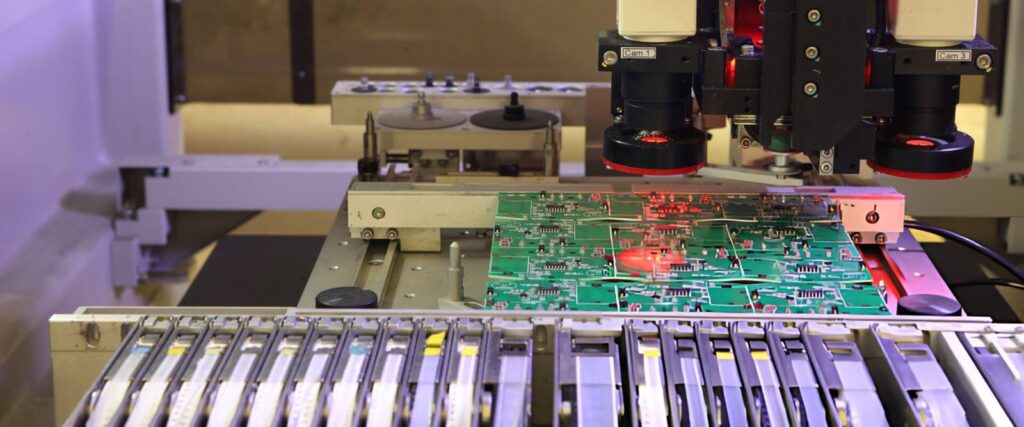
Electronic product OEM/ODM, built around your project.
Develop a new electronic product, prepare an existing design for production or adapt a product to a new requirement. XCC Technology helps product companies connect development decisions with the work needed to deliver the finished unit.
Start with your product brief, prototype or released design. Together, we define the scope, responsibilities and acceptance requirements for your project.
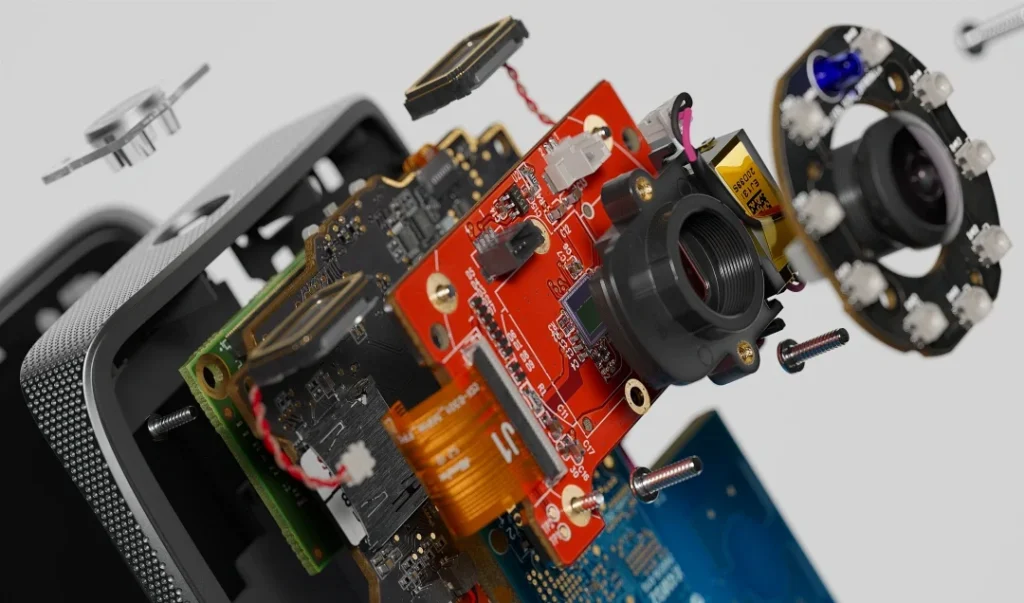
Your project starting point
The right collaboration model depends on what you already have and what you need next. A concept needs a different plan from a working prototype, and a production transfer raises different questions from a new design.
ODM: develop around a product requirement
You know what the product should do, who will use it or which problem it needs to solve. The electronics, embedded functions or production design still need to be developed or adapted.
An ODM discussion starts with the intended use, essential functions, interfaces, operating environment and target market. These inputs help define a product specification and identify the engineering work required. A reference product can help explain the desired function or form, while the project scope establishes the design approach and any rights needed to use existing material.
The agreed development work can include architecture, electronic design, embedded functions, prototypes and preparation for manufacturing. Deliverables are defined for the stages you commission, so you can evaluate progress against an agreed specification.
Bring: a functional brief, product concept, reference information or early prototype, together with your priorities for cost, timing and production.
Define together: development scope, prototype objectives, technical responsibilities, evaluation criteria and the design information required for the next stage.
OEM: manufacture around your existing design
You have a design, approved specification or production package and need a route to assembled electronic products under your brand.
An OEM discussion focuses on the readiness of that package: the current design revision, materials, firmware, assembly information and test requirements. A working sample is useful, but production also needs documented instructions and acceptance criteria that can be applied consistently.
The scope can cover sourcing, PCB assembly, programming, product integration, testing and packaging, as agreed for your product. The review identifies missing information and any changes that need your approval before production proceeds.
Bring: your available design files, bill of materials, assembly drawings, firmware release information, test requirements and representative samples.
Define together: the build configuration, sourcing responsibilities, production preparation, sample approval, inspection and test coverage, and delivery requirements.
Redesign or production transfer: move an existing product forward
You may need a new variant, a component replacement, a change in function or a different manufacturing arrangement. The starting point is understanding the current product and the reason for the change.
A transfer or redesign review looks at the available files, known issues, design rights, component availability and previous build information. It also identifies which parts of the product must remain unchanged and which need fresh evaluation.
A replacement component can affect firmware, electrical performance, thermal behavior or the test method. A production transfer may expose undocumented assembly steps or dependencies on existing fixtures. These issues belong in the project plan before a revised design or new build is approved.
Bring: the current production package, samples, known issues, proposed changes and any restrictions on tooling, files or components.
Define together: the work needed to close documentation gaps, approve changes, verify the revised product and prepare the next build.
Define the product and the work needed to deliver it
The finished product is the focus of the project. Its electronics, firmware, enclosure, interfaces and production requirements need to work together within the scope you choose.
At the start, we agree which activities XCC will undertake, which require specialist suppliers and which remain with your team. The scope also identifies exclusions and the decisions that need customer approval. This makes the handoff between engineering, purchasing and production easier to assess.
Product requirements and system integration
Start with the functions the product must perform and the conditions in which it will operate. Important inputs include power, sensing, control, connectivity, user interaction, dimensions and the equipment or systems it must connect to.
Where the agreed scope includes hardware and embedded development, the work should define how those functions fit together. Interface details matter: connector positions, signal levels, startup behavior and the relationship between software and hardware can affect both the user experience and production testing.
Mechanical integration, enclosure work, external applications and cloud services need their own responsibility boundaries. Identifying them early helps both teams understand what is included in the product development package.
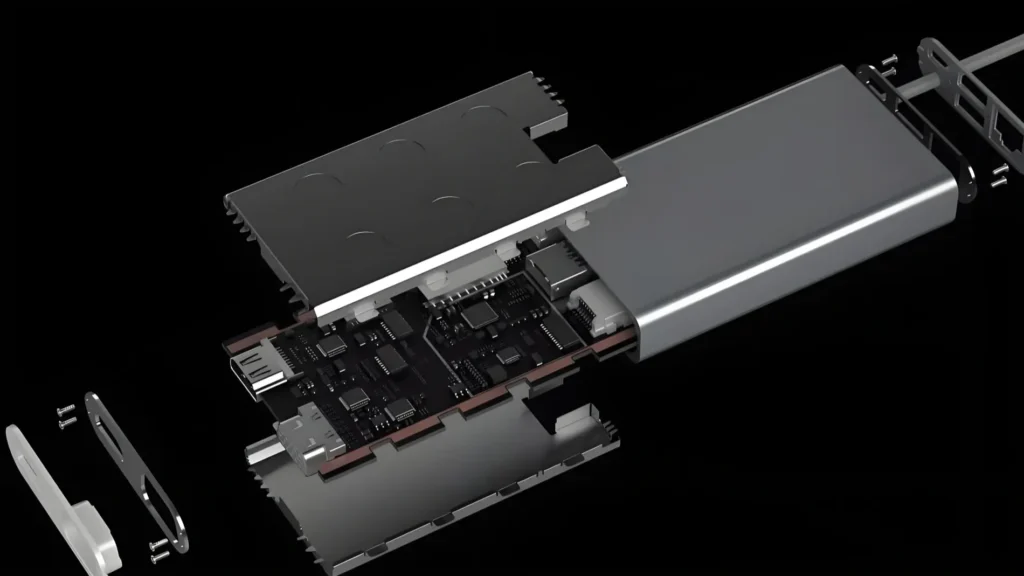
Prototypes and evaluation
A prototype should answer specific questions. It may be used to evaluate a function, an interface, physical fit or an engineering approach. The purpose of the build determines what needs to be tested and which limitations are acceptable at that stage.
Before evaluation, agree what success looks like. Results should identify the configuration tested, the requirements checked, the issues found and the changes needed. A prototype that demonstrates the concept may still need work on sourcing, assembly, test access or documentation before production.
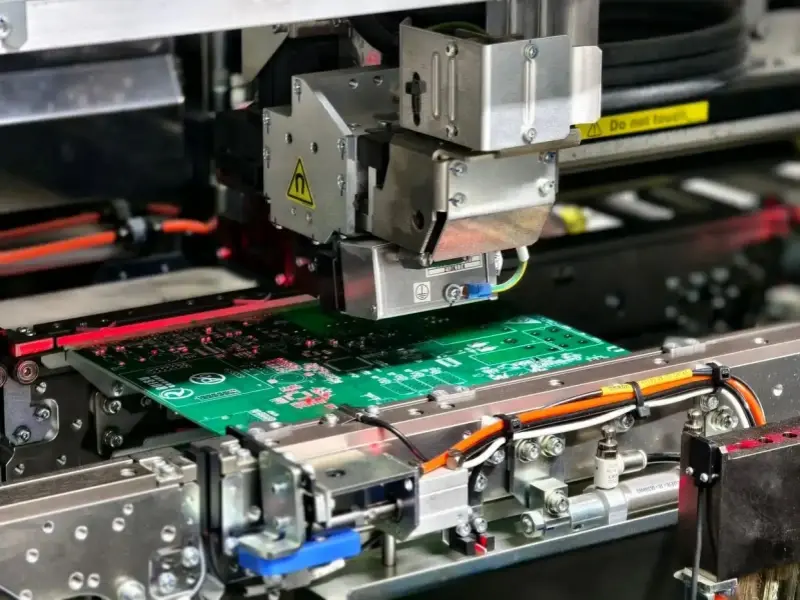
Preparation for manufacturing
Production preparation connects the approved design with a repeatable build. Depending on the project, this includes reviewing the bill of materials, component availability, assembly sequence, programming method, test access and production documentation.
Design for manufacturing considers how the product will be assembled. Design for test considers how important functions and likely faults can be checked. Addressing these questions during development helps avoid discovering inaccessible connectors or unclear test requirements during the first production run.
For an existing design, the preparation work begins with the available production package and any gaps identified during review.
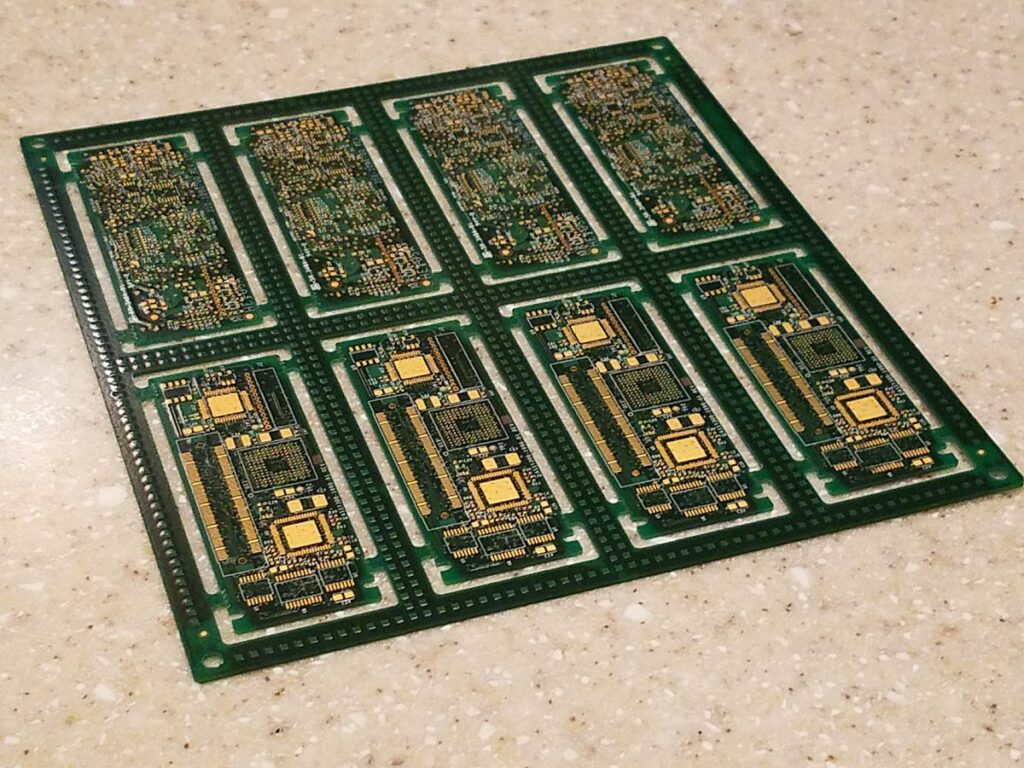
Assembly and finished-product delivery
The delivery scope defines whether you need a board assembly, an integrated subassembly or a finished electronic unit. Where required, it also identifies firmware loading, configuration, accessories, labels, packaging and shipment preparation.
These details should appear in the specification and build instructions. A correct circuit board alone does not establish that the complete product has the right configuration, appearance or functional behavior.
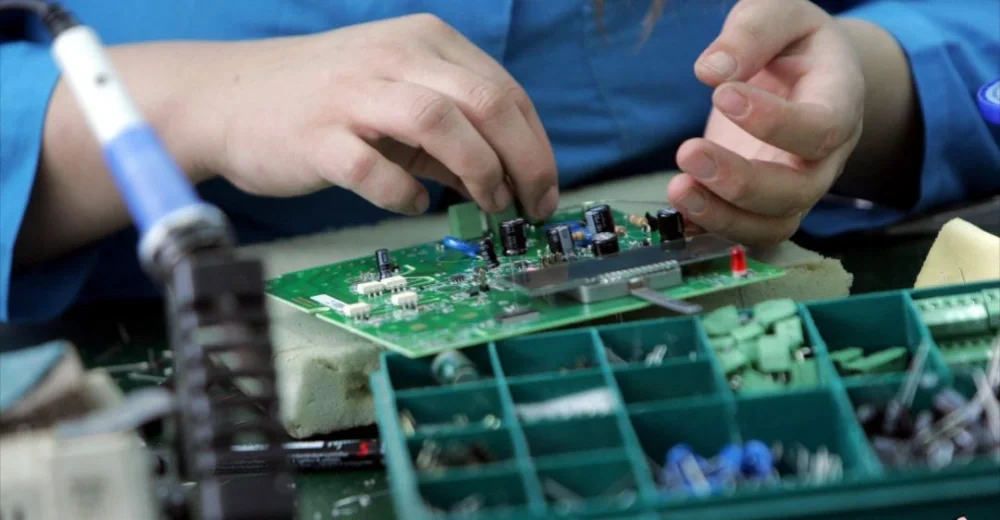
Material sourcing and production readiness
The material plan connects the design with the components and parts needed for a build. We review the bill of materials with the requested quantity, sourcing responsibilities and production schedule in mind. Customer-supplied items, specified suppliers and items sourced within our scope are identified separately so both teams understand purchasing and approval responsibilities.
For critical parts, the review considers availability, order quantities, lead times and whether alternatives are permitted. A suggested replacement needs technical review before it becomes an approved production item. Electrical characteristics, package, software interaction and prior evaluation can all be relevant to that decision.
The build plan also addresses enclosures, cables, labels and other items included in the finished product. Samples and specifications should identify acceptable materials, fit and appearance. Tooling and test fixtures are treated as project assets with agreed ownership, maintenance and access arrangements.
Before a production order is confirmed, the material assumptions should be visible: which items are available, which depend on supplier commitments and which require a customer decision. This gives purchasing a usable basis for evaluating the proposed delivery plan.
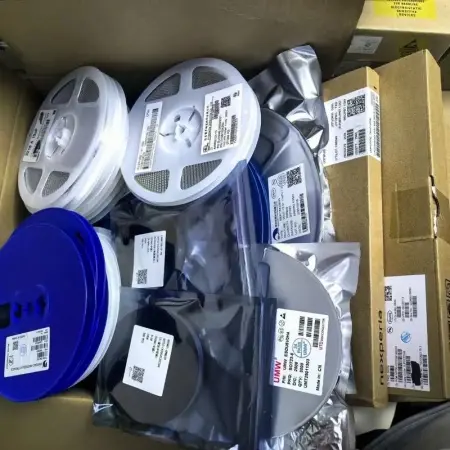
Agree the deliverables before work begins
Clear deliverables help your product, engineering and purchasing teams evaluate the same project. The proposal should identify what is included at each stage, how it will be reviewed and what information is needed to proceed.
Depending on the commissioned work, the deliverable package can include:
- A product requirements summary and agreed scope, including interfaces, constraints and exclusions.
- Design information for the agreed engineering work, with the file formats and handover rights specified.
- Prototype or sample units identified by hardware and firmware revision.
- Evaluation findings, open issues and the agreed actions needed before the next build.
- A production package covering approved materials, assembly, programming and test instructions within the delivery scope.
- Agreed inspection or test records, packaging requirements and delivery documentation.
Some projects need all of these stages; others begin with a complete design package. The agreement establishes which deliverables apply, who approves them and when they are due. Source files, firmware code, tooling and third-party materials require explicit ownership and access terms.
Quality and testing start with the acceptance requirements
Quality planning begins with the product specification and its intended use. Both teams need a shared definition of an acceptable build, including critical functions, appearance, configuration and documentation.
The project quality plan should distinguish checks made during development from checks applied during production. Development evaluation establishes whether a design meets its requirements. Production inspection and testing check that built units follow the approved configuration and acceptance criteria.
Define what will be checked
The agreed inspection and test scope can address incoming materials, assembly workmanship, programming, functional operation and final product checks. For each check, define the method, limits, required equipment and records.
Testing should reflect the product's function. Depending on the requirement, useful checks may include power behavior, inputs and outputs, communication with connected equipment, user controls or configuration. Environmental, reliability and external compliance work need a separate agreed scope, including who performs it and how results are accepted.
Keep the approved configuration clear
The build package should identify the approved material list, hardware revision, firmware version and test method. If a component or process needs to change, its effect on function, fit, verification and existing approvals needs to be reviewed before use.
Record requirements and traceability depth should match your project. If you need specific inspection reports, serial-number records or component information, include those requirements in the initial discussion.
Align market and customer requirements
Tell us where the product will be used and sold, together with any standards, customer qualifications or documentation requirements your team has identified. The project discussion then establishes the applicable work and responsibility for external assessment or certification.
For medical and automotive applications, product use and the supplier's role need particular attention. Manufacturing a specified electronic assembly, developing a product and taking responsibility for market approval are different scopes. Applicable documentation and qualification requirements must be established for the actual project.
How an OEM/ODM project moves forward
The project plan follows your starting point. An existing design may move directly into production preparation once its documentation and acceptance requirements are ready.
1. Review the requirement
Describe the product, its use and its current stage. We review the available information with your team to identify the work under discussion, the main constraints and the questions that need an answer.
The initial conversation should establish project fit and the additional information needed for a useful scope discussion.
2. Agree the scope and responsibilities
Define the work, deliverables, exclusions and approval points. The scope should also address development costs, tooling or fixtures, production assumptions and any external services required.
Technical file exchange, confidentiality and ownership arrangements should be agreed before sensitive material or commissioned work is involved.
3. Develop, adapt and evaluate
For projects with engineering work, development and prototype evaluation follow the agreed requirements. Your team reviews the relevant samples, findings and proposed changes at the approval points set for the project.
Open issues should remain visible until they are resolved, accepted or assigned to a later stage.
4. Prepare and approve the production build
Confirm the design release, materials, assembly information, programming and test requirements. An initial build can be used to check the product and the production method together.
The plan defines the sample approval and any actions needed before the next production order.
5. Deliver against the agreed configuration
Production and delivery follow the approved requirements. Agree how build issues, material substitutions, design revisions and future orders will be handled, including any ongoing support included in the project.
Packaging, delivery and repeat orders
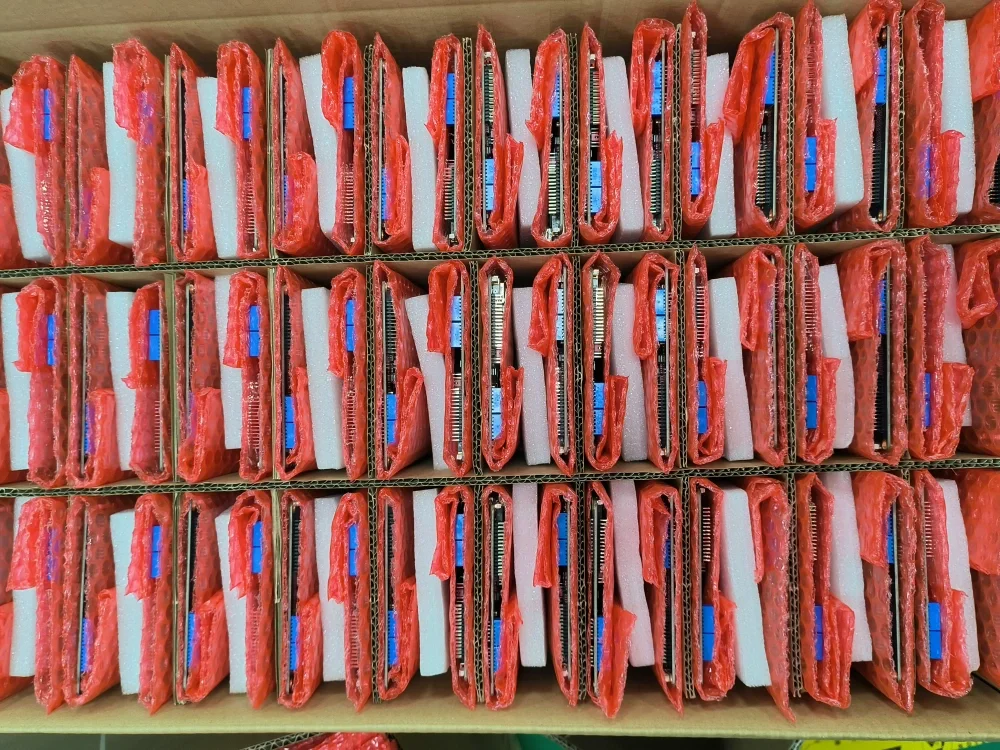
A finished-product order needs a clear packing and delivery specification. We agree the unit configuration, included accessories, product and carton labels, packing arrangement and shipment documentation required within the order scope. Any customer artwork or installation information should be supplied in its approved revision.
The packing plan should account for how the product will travel and be received. Protective packaging, electrostatic handling where relevant, carton quantities and unit identification need to match the assembly and your receiving process. Transport-specific evaluation is defined separately when required.
Before shipment, agree the delivery destination, shipping responsibilities, inspection or release documents and the commercial delivery terms. A target arrival date should be distinguished from the date production is completed or goods are handed to a carrier.
For repeat orders, the approved configuration remains the reference. If materials, design or demand change, we review the effect on cost, timing and acceptance before confirming the next build. Quality questions after delivery should identify the unit or lot, observed behavior and operating conditions; investigation, return handling and any ongoing support follow the arrangements agreed for the product.
Give your team clear decisions at each handoff
A project moves forward when the right people can make informed decisions. Product teams define the intended use and commercial priorities. Engineering teams review technical requirements and evaluation results. Purchasing teams need the cost assumptions, supply responsibilities and delivery conditions.
We use the scope discussion to align these requirements. Agree the people responsible for technical questions, commercial decisions and sample approval, together with how progress and open issues will be shared.
When a requirement changes, review its effect on design, materials, testing, cost and schedule before approving the next step. Recording those decisions gives both teams a reference for the product being built and the work still required.
Prepare a useful first product brief
You can begin with a concise description. A complete production package is useful for manufacturing discussions, but an early concept can start with the product's purpose and the questions you need help resolving.
Include the information you have:
- Product and application: what it does, who uses it and where it operates.
- Current stage: concept, specification, prototype, released design or existing production.
- Required work: development, customization, manufacture, redesign or transfer.
- Key requirements: functions, power, interfaces, dimensions, environment and target market.
- Commercial priorities: expected quantities, target timing and any cost constraints.
- Available material: a description of the files, samples, drawings or test information you can provide later.
Identify requirements that are fixed and those that can still change. If quantities or timing are estimates, say so; that context helps define the assumptions for the discussion.
Keep the first message non-confidential. Describe the documents you have rather than sending sensitive design files before a suitable exchange process has been agreed.
Find the application that shapes your requirements
XCC Technology supports electronic product OEM/ODM projects across Smart Home Electronics, Lighting Systems, Power Management, Medical Electronics, Automotive Electronics, Industrial Control Electronics and IoT Electronics.
The application influences the questions we need to address, from installation and user interaction to operating conditions, product integration and verification. The specific product scope and qualification requirements are reviewed for each project.
For company information and the role XCC Technology plays in product projects, visit About Us.

Control board product pages
LED Control PCB
Power Supply Control PCB
Cooling Fan Mainboard
IoT Control PCB
Wearable Electronics PCB
Automotive Electronics PCB
Industrial Control PCB
OEM/ODM questions
How do I choose between OEM and ODM?
Start with what you have and the work you need. A product requirement that still needs design work fits an ODM discussion. A released design requiring manufacturing fits an OEM discussion. If you have a prototype or need changes to an existing product, the scope may combine development and production preparation.
The project agreement defines the actual work and responsibilities. The OEM or ODM label alone does not specify the deliverables or ownership terms.
Can I approach XCC with only an idea?
Yes. Describe the intended function, users, application and constraints. A sketch or reference can help explain the requirement, but you do not need to resolve every engineering detail before an initial discussion.
The next step is to establish which requirements are clear, which need investigation and what work would be required to assess the concept.
Can you work with a design developed by our own team?
An existing design is a starting point for an OEM project discussion. The review considers its documentation, material list, samples, firmware and test requirements, together with any rights needed to use the design.
If the production package is incomplete, the scope needs to identify the work required to close those gaps before a build can be agreed.
Can we discuss a specific stage rather than a complete development project?
Tell us which stage you need and what your team or other suppliers will provide. The discussion establishes whether that scope is a fit and what information is required at the interfaces.
For example, production based on a customer design still needs an agreed configuration and acceptance method. A prototype evaluation needs clear objectives even when later manufacturing is outside the immediate scope.
What affects the price and minimum order requirements?
The relevant factors include product complexity, the materials and assembly involved, test requirements, tooling or fixtures, production quantity and the completeness of the design package.
Development, samples, tooling and production units can involve different cost items. Ask for these to be identified in the proposal, together with quantity assumptions and exclusions. Order requirements and pricing need to be established for the actual product.
How long will development or production take?
Timing depends on the starting point, unresolved design work, component availability, prototype iterations, approval steps and the required testing. A transfer with complete files has different dependencies from a new product concept.
Share your target date and the milestone it refers to: an evaluation sample, a production release or a delivered order. The project plan should distinguish these milestones and identify the inputs or approvals needed to meet them.
Who owns the design files, firmware and tooling?
Ownership, licensing and handover rights need to be agreed before the relevant work begins. The agreement should distinguish customer-provided material, commissioned development, existing design elements and third-party items.
If you need source files, firmware code, tooling access or a package suitable for another manufacturer, raise those requirements during scoping. They should be explicit deliverables and terms.
How should we share confidential project information?
Begin with a non-confidential summary and tell us whether a confidentiality agreement is required before further discussion. Agree the document handling and exchange process before sharing sensitive designs, source code or customer information.
The initial enquiry is intended to establish the project and the next steps; it does not require a confidential technical package.
Do you handle product certification and external testing?
Include your target market, intended use and any known assessment requirements in the brief. External testing, documentation and certification responsibilities need a specific project scope, including the party performing each activity.
Discuss supplier qualifications and evidence requirements early. A manufacturing quality document, a product test result and a market authorization serve different purposes and should be reviewed against your actual needs.
Tell us what your product needs next
Share what you want the product to do, what already exists and where you need support. XCC Technology can then discuss the appropriate OEM/ODM scope with your team, including the information needed to evaluate development or production requirements.
Include the application, current project stage, key requirements and expected production needs. Please keep confidential design information out of the initial message.